

Born into an immigrant family, he traded odd jobs for a revolution in comics, creating Spider-Man, The Hulk, the X-Men, and the Fantastic Four. This is the story of how a pop culture legend emerged, forever changing superheroes and cinema. Read on newyorkski.info for the journey of Stan Lee from a poor boy in New York’s Washington Heights to the creator of the Marvel universe.
Poverty, Books, and a Dream
Stan Lee was born on December 28, 1922, in Manhattan—in a cramped, modest apartment belonging to a Jewish family of Romanian immigrants. His parents, Celia and Jack Lieber, arrived in the United States believing in the American Dream, but reality proved much harsher. The Great Depression quickly crushed their hopes: stable work was scarce, money was constantly tight, and the future looked uncertain. His father, a tailor, worked sporadically, so the family constantly teetered on the brink of poverty.
Financial difficulties forced the family to move often. After several relocations, they ended up in Washington Heights and later in the Bronx. There, Stan and his younger brother Larry shared one bedroom while their parents slept on a fold-out sofa in the living room every night.
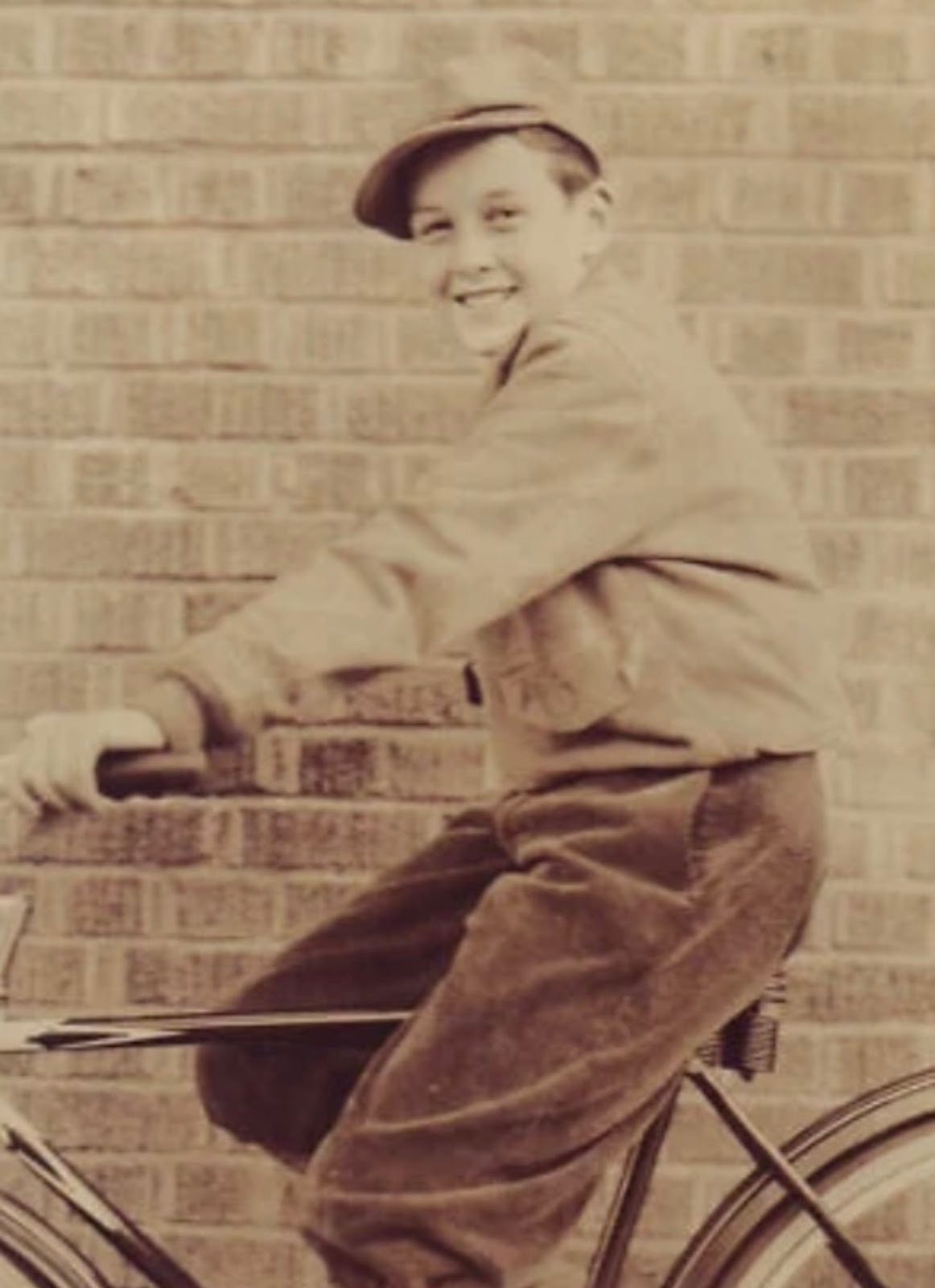
Stan’s childhood lacked material abundance but was rich in stories. Books became both an escape from reality and a window to a wider world. He enthusiastically listened to radio dramas, devoured adventure novels, and spent hours at movie theaters.
One book that particularly impressed Stan was The Scarlet Pimpernel. The story of a man with a double identity, seemingly ordinary yet heroic at heart, stayed with him for a long time. Later, this idea would subtly blossom into the concept of superheroes concealing superhuman abilities behind a mask of everyday life.
While attending DeWitt Clinton High School in the Bronx, Stan distinguished himself with his love of words and incredible work ethic. He wrote constantly—for himself, for school, for any occasion—and simultaneously jumped at every chance to earn a few dollars. In his youth, he worked as a courier, an office assistant, a subscription salesman, and sometimes even wrote obituaries and press releases. These odd jobs not only helped his family but also taught him discipline, the importance of deadlines, and how text functions in the real world.
At 15, Stan participated in a school essay contest—an event that became a turning point for him. It was then that he first realized that writing could be more than just a hobby; it could be a real profession.

The First Comic, A Universe of Heroes, and Undisputed Success
In 1940, as the world stood on the brink of war, the publishing house Timely Comics released a character destined to become a symbol of the era: Captain America. For most readers, it was just the debut of a new superhero, but for nineteen-year-old Stanley Lieber, that moment marked the beginning of a great story. It was then that he received his first writing assignment—a short, unillustrated text loudly titled “Captain America Foils the Traitor’s Revenge.” The story was small, almost unnoticeable, but its significance for the author was immense. It became his first official publication and the debut of his new name—Stan Lee.
Soon, Lee became the interim editor of Timely Publications. Until the U.S. entered World War II, he actively wrote scripts for comics, and from 1942, he served in the Army, where he created training materials and films. After the war, Stan returned to the publishing house, and in the late 1950s, he founded his own company, Madison Publications, which published humor books.
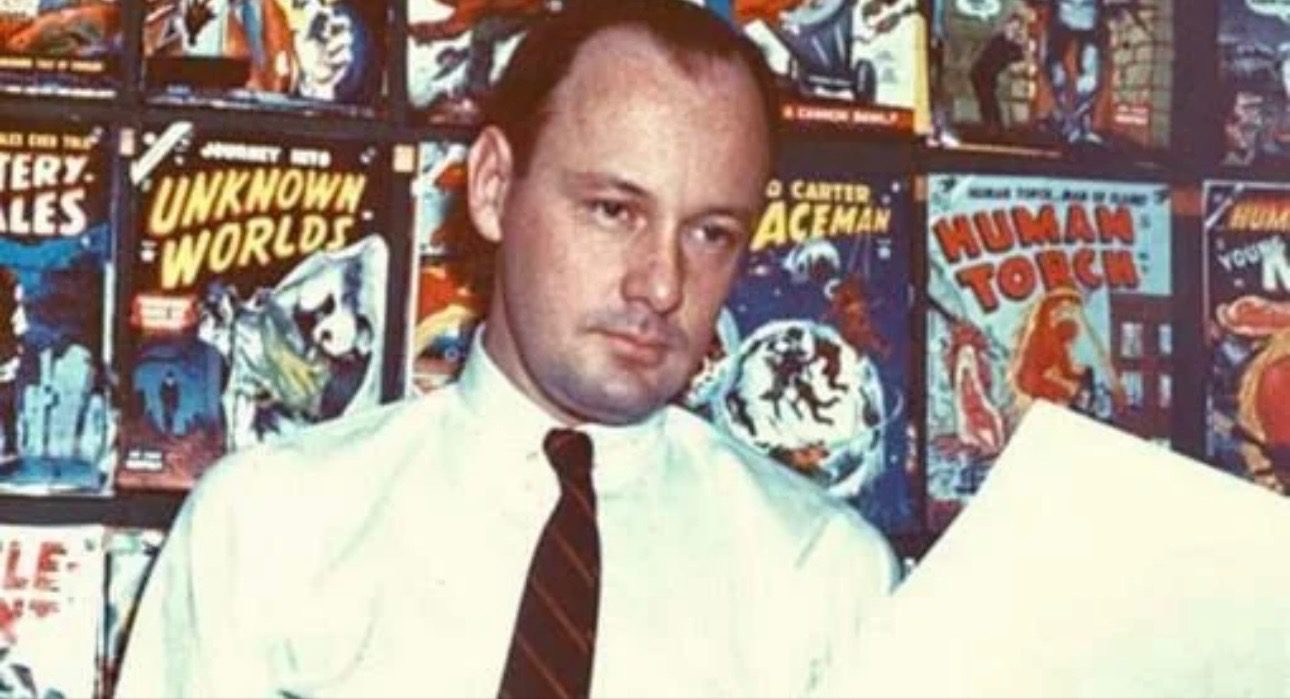
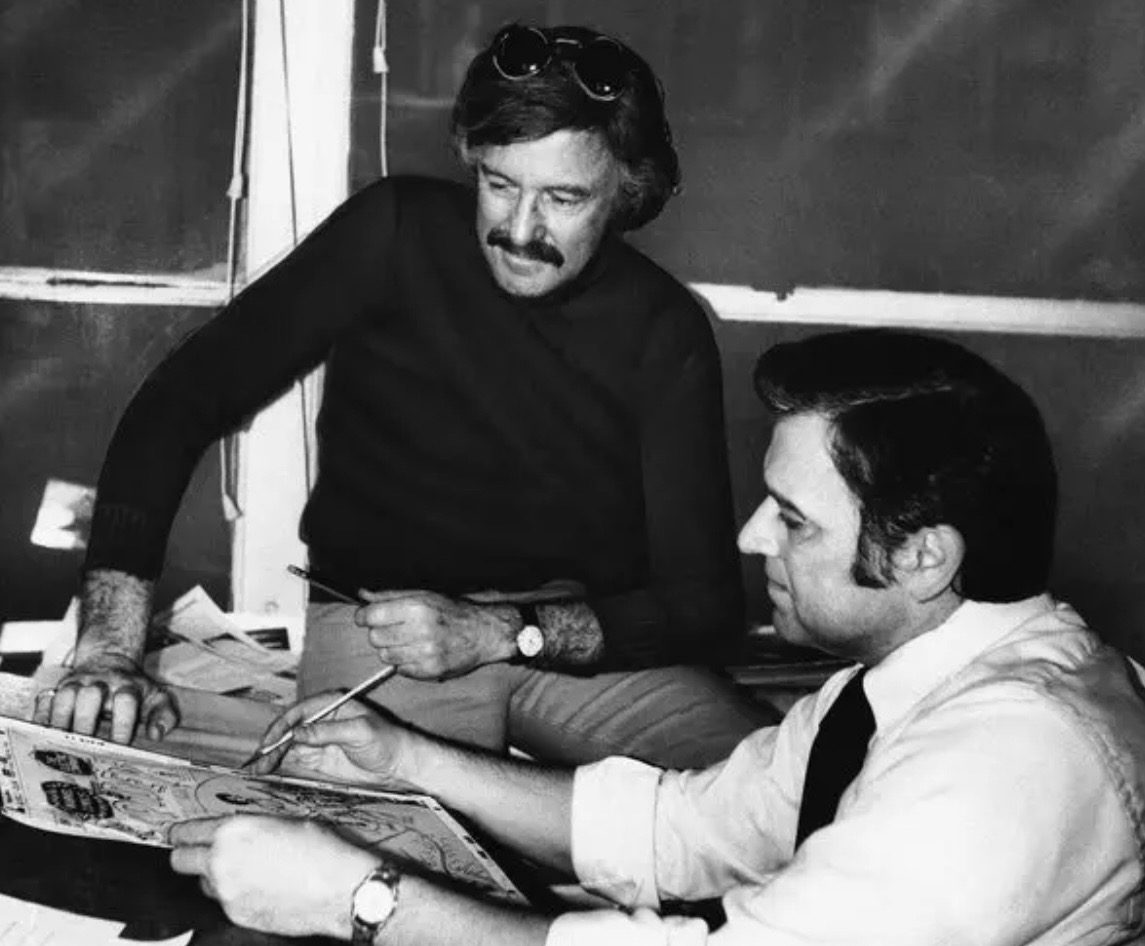
When Timely, now operating as Atlas Comics, sought an answer to the success of DC Comics’ Justice League, Lee teamed up with artist Jack Kirby to create a new superhero team. In 1961, the world saw the Fantastic Four—the beginning of what would later be called the Marvel Universe. They were followed by the Hulk, Thor, Iron Man, the X-Men, and other characters who dramatically differed from their rivals’ idealized heroes.
“We were probably the first ones to break the cliché that all superheroes are good and friendly to each other,” Lee emphasized.
In 1962, Lee created Spider-Man with Steve Ditko. Peter Parker became a revolutionary figure: an ordinary New York teenager who made mistakes, lost, and struggled with everyday problems. The principle that “with great power comes great responsibility” became the moral backbone not only of the character but of Lee’s entire storytelling approach. Through Marvel stories, he addressed racism, bigotry, drug use, and the fears of the real world, bringing comics closer to an adult audience.
In 1972, Lee became the publisher of Marvel Comics and focused on bringing the heroes to the screen. The initial film projects were unsuccessful, and in the mid-1990s, the company even filed for bankruptcy. However, by the end of the decade, Marvel was reborn, and the X-Men and Spider-Man films ushered in the era of superhero blockbusters. Lee served as an executive producer on countless Marvel films and TV series.
Stan Lee’s main legacy was not just hundreds of characters but a new vision of the superhero—vibrant, imperfect, and human. His fast, witty style, rejection of clichés, and belief in constant experimentation transformed Marvel into a cultural phenomenon of global scale.
“Even a bad new idea is better than a well-articulated rut,” he said.
Marvel, in his words, was always in a state of flow—and that’s what kept it alive, unpredictable, and exciting for both readers and the creators who brought these stories to life.
Philanthropy, Archives, and Cultural Impact
Stan Lee’s philanthropic work was an important part of his public legacy. In 2010, he established the Stan Lee Foundation, focusing on supporting literacy, education, and the arts. The foundation aimed to expand access to educational resources, encourage diversity and culture, and support programs promoting national literacy and creative self-expression.
Over the decades, Lee also systematically donated his archives (manuscripts, photographs, recordings, and personal materials) to the American Heritage Center at the University of Wyoming. This collection spans almost his entire life and has become a vital resource for researchers of comic book history and American pop culture.
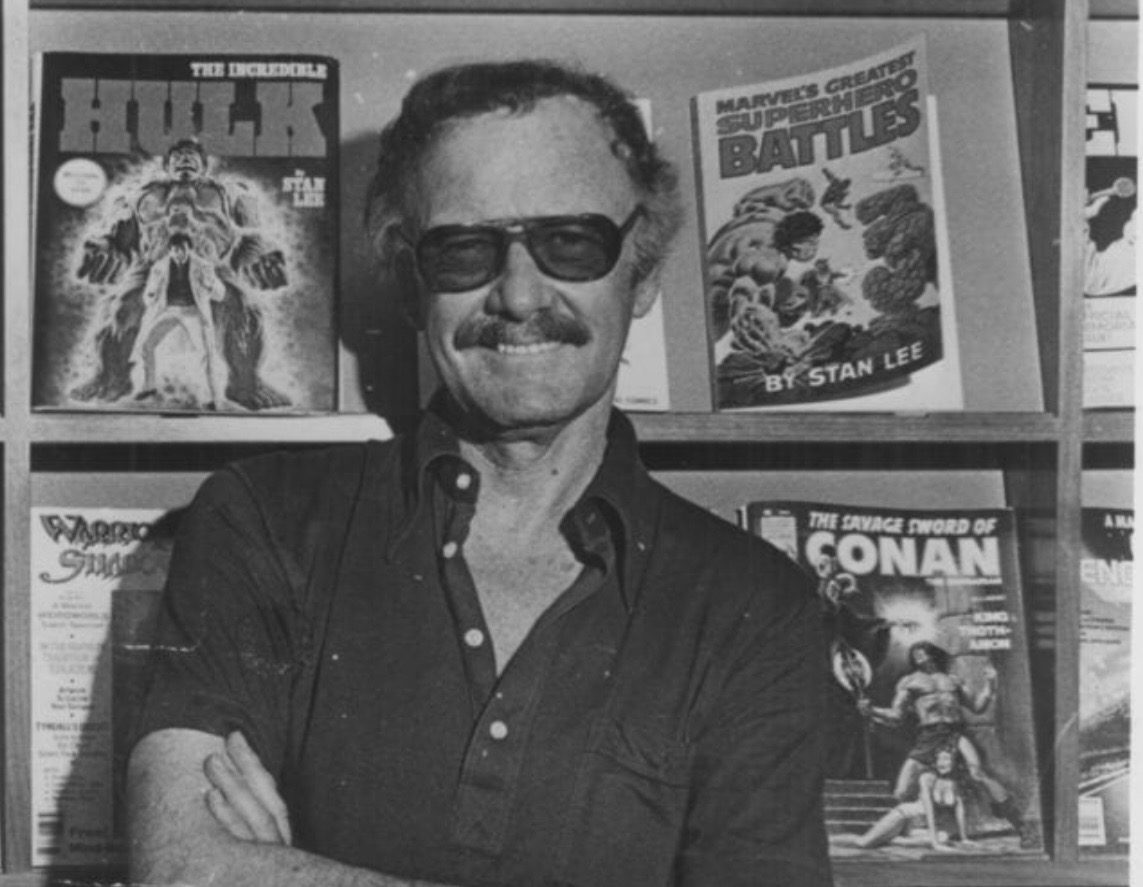
Beyond his creative work, Stan Lee served as the public face of the comic book industry. His energy, charisma, and genuine affection for his fans made him a recognizable figure far beyond the pages of Marvel. He frequently appeared at public events, in films, and TV series, and was honored with numerous awards, including induction into the Will Eisner Award Hall of Fame, the Jack Kirby Hall of Fame, and receipt of the National Medal of Arts.
In 2025, a holographic avatar version of Lee was even unveiled at Comic Con in Los Angeles, allowing fans to “meet” him and relive the nostalgia of classic Marvel stories. This is a vivid example of how modern technology seeks to continue generational interaction with his work.
Personal Life, Scandals, and the End of the Road
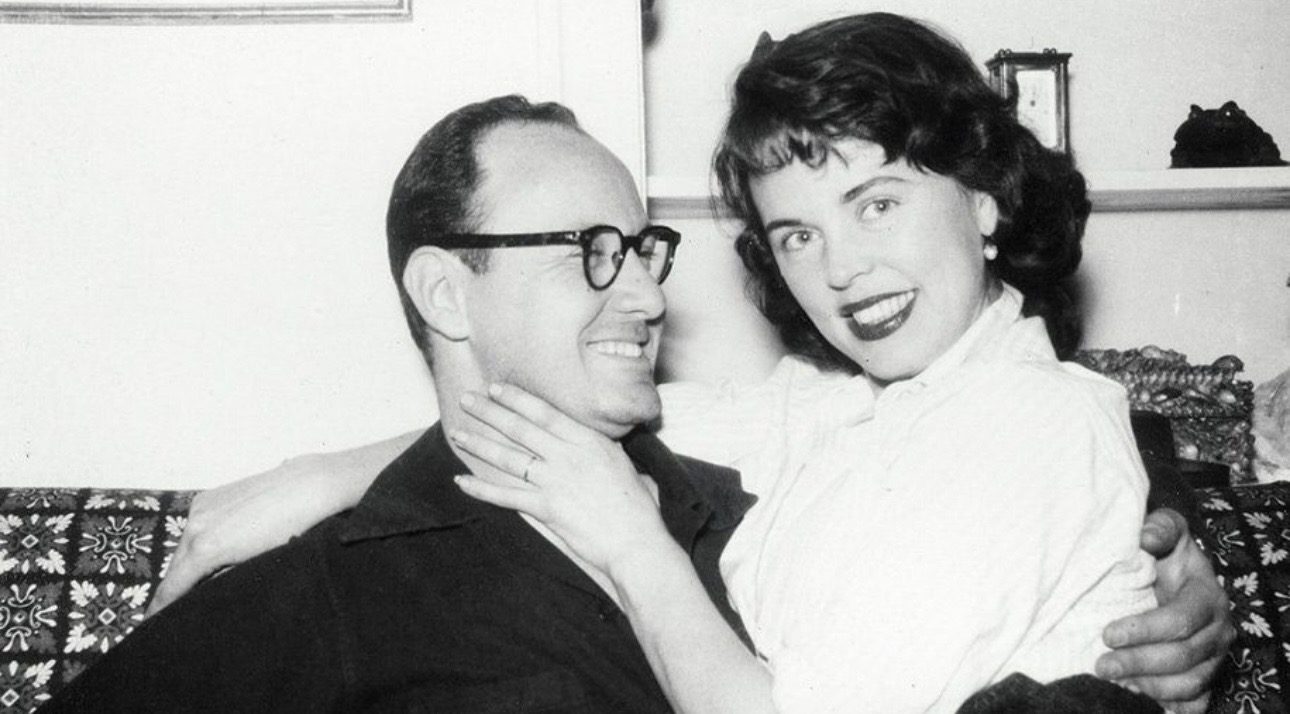
Stan Lee married model Joan Clayton Boocock on December 5, 1947—after only two weeks of knowing each other. Their marriage lasted almost seven decades and was one of the main pillars of Lee’s life. The couple had two daughters: Joan Celia in 1950 and Jan Lee, who died a few days after her birth in 1953. Joan Lee passed away in 2017.
Despite his significant achievements, the final years of Lee’s life were overshadowed by legal conflicts and personal difficulties. Following the acquisition of Pow! Entertainment by another company in 2017, Stan Lee filed a lawsuit, claiming he had been misled about the terms of using his name and likeness. Though the case was later closed, and Lee publicly stated his wish to move on, legal disputes continued after his death, involving his daughter.
Separate scandals attracted media attention in 2018, specifically reports of potential elder abuse by certain individuals in his entourage. Judicial authorities subsequently intervened, and restraining orders and criminal cases were filed against some of the involved parties.
Despite the difficult circumstances of his final years, Stan Lee remained creatively active and publicly engaged until the end of his life. His philanthropy, cultural influence, and contribution to popularizing comics as a legitimate art form cemented his status as one of the most influential figures in modern pop culture.
Stan Lee died in Los Angeles on November 12, 2018, at the age of 95. The cause of death was cardiac arrest due to respiratory and heart failure. He was cremated, and his ashes were given to his daughter.
After Lee’s death, interest in his figure only intensified. Biographer Abraham Riesman, in the book True Believer: The Rise and Fall of Stan Lee, attempted to debunk the myth created during his lifetime, portraying Lee as a complex, contradictory person—a talented promoter, a charismatic storyteller, but also an unreliable memoirist and a challenging family man. Riesman particularly focused on Lee’s strained relationships with relatives and co-creators, as well as the ongoing discussions about the real extent of his contribution to the creation of the Marvel Universe.
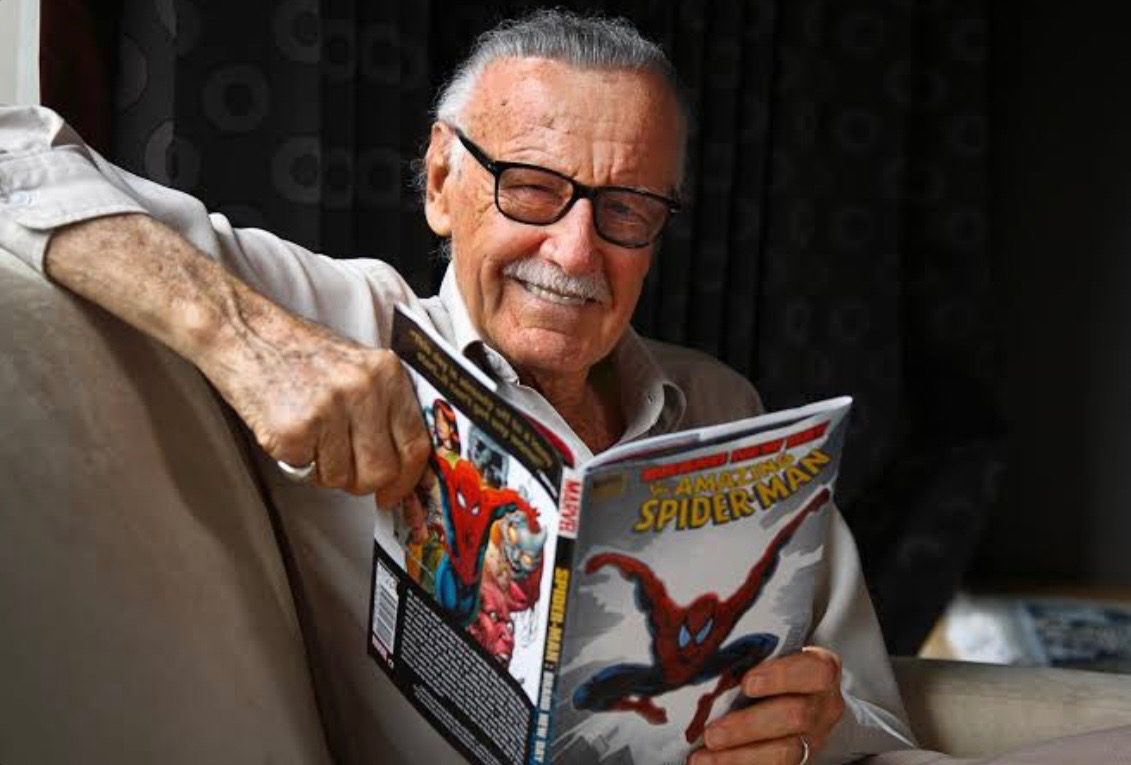
However, even critical biographies do not dispute the main point: Lee became the public face of Marvel, the person who broke the barrier between creator and fans, gave superheroes humanity, and united them into one living universe.