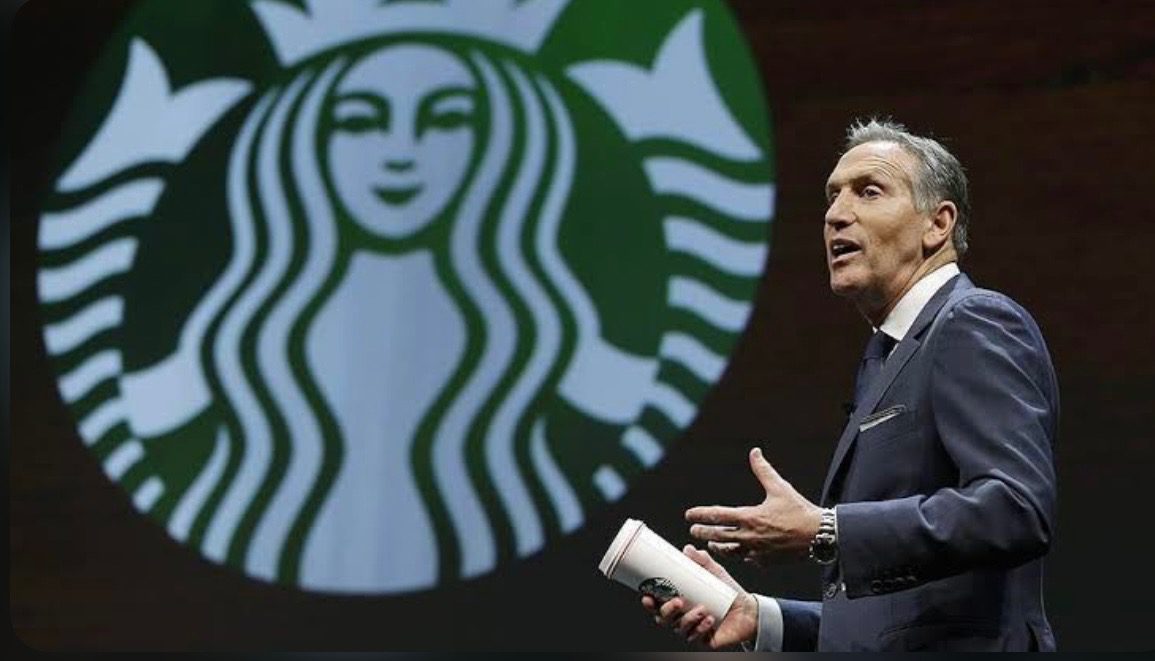
Howard Schultz is an American entrepreneur, author, and philanthropist who rose from the public housing projects of Brooklyn to transform Starbucks from a small coffee shop into a global brand. As the former CEO of Starbucks, Schultz founded Il Giornale, authored several books (Pour Your Heart Into It, Onward, and From the Ground Up), and is actively involved in philanthropy, supporting education, healthcare, veterans, and sustainability. With a net worth exceeding $3 billion, his business approach and leadership philosophy make him one of the most influential businessmen in the world. Here is on newyorkski.info how a simple boy from Brooklyn managed to scale such heights.
Childhood Between Poverty and Dreams
Howard Schultz was born on July 19, 1953, in Brooklyn to Fred and Elaine Schultz—simple Jewish Brooklynites struggling to keep their heads above water in the daily grind of working-class New York. When Howard was three, the family moved into the Bayview Houses, a public housing project in Canarsie. A cramped apartment, constant arguments over money, and a father who worked hard as a truck driver became the reality of his childhood.
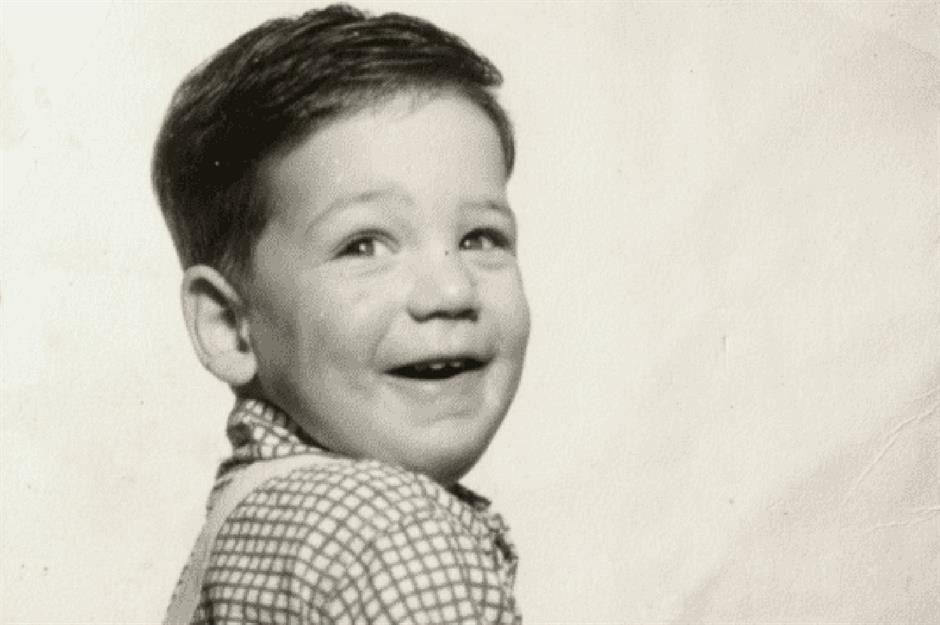
Yet, this neighborhood—which locals ironically referred to as “the country club”—toughened the boy. He witnessed poverty and injustice early on and felt a keen sense of loneliness. Peers often teased him, and tension reigned at home. However, Canarsie gave him something that would become the first step toward his future strength: sports.
After school, Howard would disappear for hours on the basketball courts and baseball fields. He also discovered books. History, politics, and biographies of leaders fueled his imagination and stoked his dream of escaping the limited opportunities of his neighborhood.
Thanks to his athletic abilities, Schultz entered Northern Michigan University. He planned to secure a football scholarship, but an injury dashed his athletic ambitions. Schultz didn’t give up: he worked to pay for his studies, majored in communications, and joined the Tau Kappa Epsilon fraternity. It was there that he met his future wife, Sheri Kersch. In 1975, Howard became the first person in his family to graduate from college.
After university, a different kind of education began—not in lecture halls, but in real business. Howard read Drucker and Collins, listened closely to the experiences of Buffett and Jobs, attended seminars, and sought mentors. He was interested in everything: leadership, innovation, marketing, and entrepreneurship. He often repeated:
“Life is a series of near misses. A lot of what we ascribe to luck is not luck at all. It’s seizing the day and accepting responsibility for your future. It’s seeing what other people don’t see and pursuing that vision.”
Thus, one of America’s most famous business leaders grew out of a boy from a poor neighborhood—and his journey began exactly where, it seemed, there was almost no chance at all.
The Rise of Starbucks
After college, Schultz began a career in sales. In 1976, he worked at Xerox, and by 1979, he headed the American division of Hammarplast, selling coffee makers. It was this job that led him in 1981 to a small Seattle shop called Starbucks, which impressed him with its atmosphere and approach to coffee. He had come only to fulfill an order for plastic filters, but what he saw struck a chord in his soul. The beans, the aromas, the energy of the place—Schultz realized he had found what he had been looking for all his life.
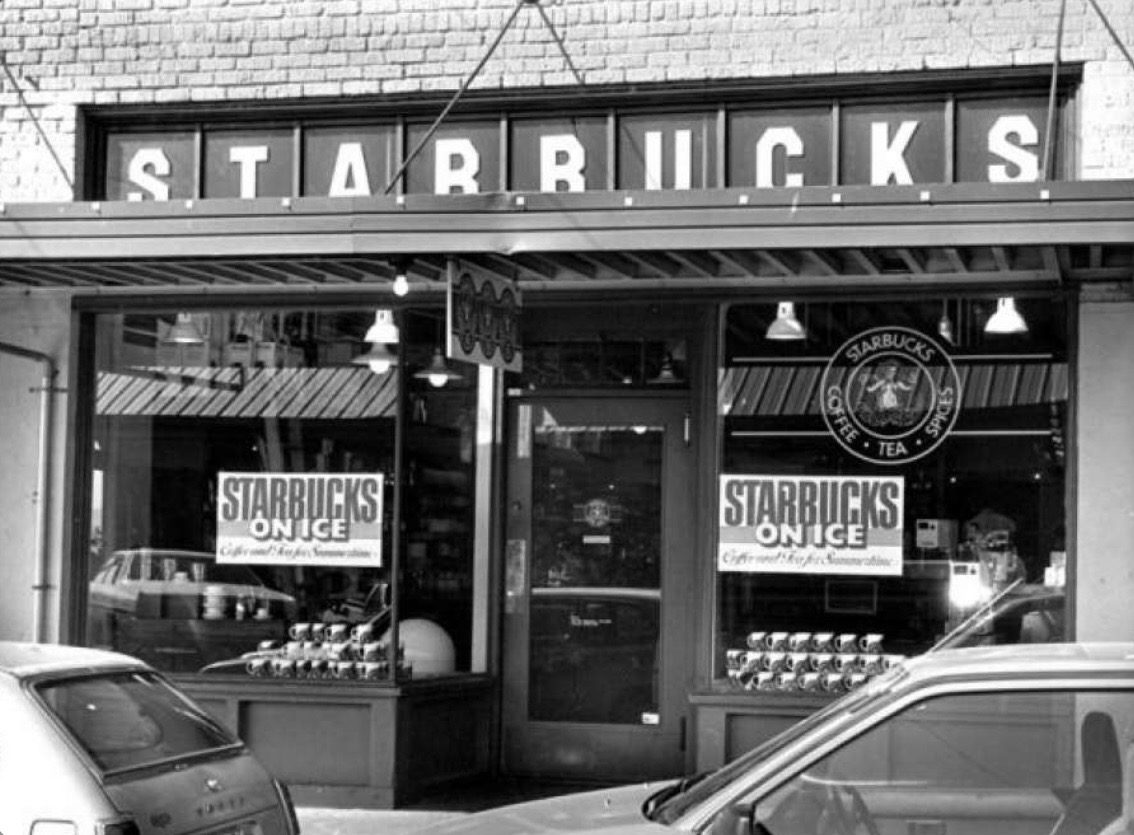
By 1982, he was managing Starbucks’ retail operations. During a trip to Milan in 1983, Schultz discovered a different coffee reality: small espresso bars, the ritual of socializing over a cup, the atmosphere of a “third place”—neither home nor work. He immediately understood: this is what the future of coffee should look like.
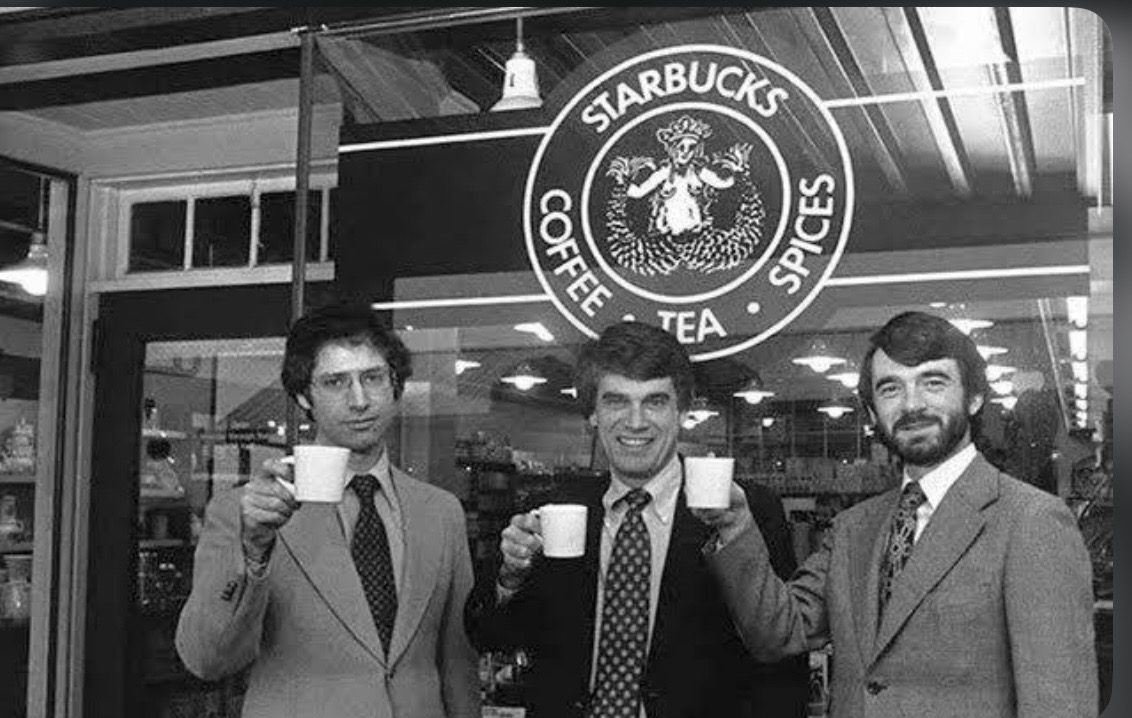
Since the founders of Starbucks did not support his vision, Schultz left in 1985. He needed $400,000 to open his own coffee shop, Il Giornale. Most investors—217 out of 242—said no, but he didn’t give up. Schultz visited over 500 espresso bars in Milan to study the culture down to the smallest detail.
Il Giornale quickly became successful, and two years later, Schultz bought Starbucks for $3.8 million, merging the two companies. After the acquisition, a true revolution began. Schultz turned the coffee shop into a social hub—a place for meetings, work, and inspiration. He rejected franchising and insisted that every location maintain a unified standard of quality and atmosphere.
In 1992, Starbucks went public, raising $271 million and doubling its network. The company grew rapidly in the US, and by the late 1990s, actively entered the Chinese market.
However, in the second half of the 2000s, Starbucks faced a crisis: competitors were applying pressure, and stock prices plummeted by 75%.
On January 7, 2008, Schultz returned as CEO. He dramatically optimized the network:
- Closed hundreds of locations.
- Reduced the management team.
- Closed every coffee shop in the US for one evening to retrain baristas on how to pull the perfect espresso.
- Strengthened ethical sourcing standards.
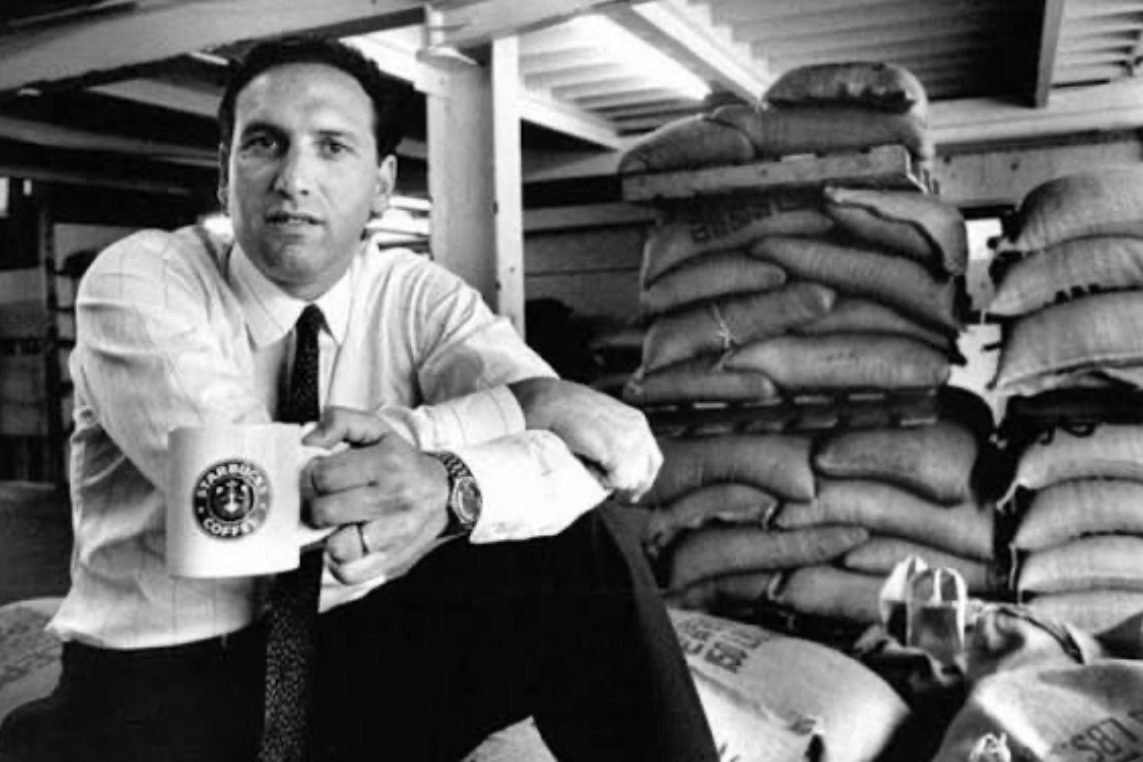
During this period, Starbucks launched its first major technological innovations and implemented social programs, including free online education in partnership with ASU. Under Schultz’s leadership, Starbucks grew from 11 shops in Seattle to tens of thousands of stores in over 70 countries.
Throughout this time, Schultz remained the symbol of Starbucks, the man who said:
“We are not in the coffee business serving people. We are in the people business serving coffee.”
Schultz stepped away from leadership three times: in 2000, 2016, and 2023. In 2022-2023, he temporarily led the company once more before officially handing the reins to Laxman Narasimhan in March 2023.
Schultz loved to repeat:
“Success is empty if you arrive at the finish line alone. The best reward is to get there surrounded by winners.”
Attempting to Change the Nation
Howard Schultz has always stayed outside strict party lines, calling himself an independent centrist with neoliberal views. Socially, he was close to the Democrats, supporting same-sex marriage, gun control, and tax reform, while l1ong contributing to Democratic campaigns, including those of Obama and Clinton. Rumors of a potential presidential run surfaced repeatedly, and in 2020, Schultz seriously considered the idea but declined under pressure from critics.
On some issues, Schultz was an activist, particularly in supporting veterans, but his sharp statements sometimes sparked backlash. Most controversial was his tough anti-union approach. He spent years opposing unions at Starbucks, lobbying to limit their influence, and clashing with the NLRB, which even led to Senate hearings in 2023.
Politically, Schultz remained a figure of contradictions: progressive on social issues but against raising the minimum wage; influential in Washington state but often absent from the polls. In foreign policy, he was a “liberal hawk”—supporting active US engagement abroad and criticizing withdrawals, such as pulling troops from Syria. Schultz spoke sharply about Russia, more cautiously about China, and participated in closed discussions regarding Israel.
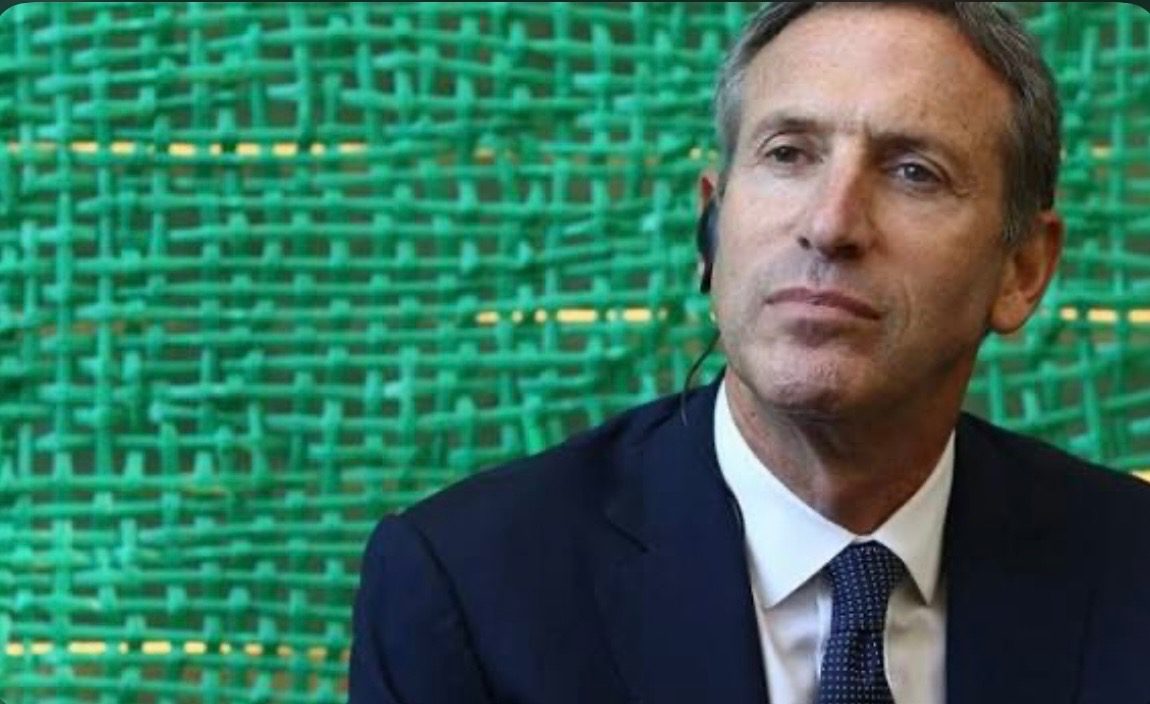
His political path is the story of a man trying to influence the country without formally entering government, always on the verge of a big move, but never taking the final leap.
Life Beyond Coffee and Politics
Howard Schultz has been happily married to Sheri Kersch since 1982. The couple has two children: a son, Jordan, who is building a career as an NFL sports analyst, and a daughter, Addison. Howard is known for his passion for coffee, enjoying four to five cups daily. But beyond coffee and politics, his life has many other vectors. Some of them include:
- Seattle SuperSonics and Seattle Storm
In 2001, Schultz and a group of investors bought the Seattle SuperSonics and Seattle Storm. His leadership of the SuperSonics was often criticized for being too business-focused and for internal conflicts. After a failed attempt to secure public funding for a new arena, he sold both teams to Clay Bennett in 2006. The Storm remained in Seattle, but the SuperSonics were moved to Oklahoma City, becoming the Thunder. Schultz later dropped a lawsuit he filed against Bennett and admitted that selling the team was his biggest professional mistake.
- Author
Howard Schultz has written four books: Pour Your Heart Into It (1997), Onward (2011), For Love of Country (2014), and From the Ground Up (2019). All combine autobiography with corporate philosophy. Schultz received both praise for his candor and criticism for self-promotion. In 2019, he released an online course on leadership on MasterClass.
- Wealth and Investments
In 2025, Forbes estimated Howard Schultz’s net worth at $3.3 billion. He is a co-founder of the venture capital firm Maveron (along with Dan Levitan), which invested in eBay. Schultz also owns a 77-meter superyacht named PI, valued at over $120 million.
- Philanthropy
In 1996, Howard and his wife founded the Schultz Family Foundation, which supports two main directions: Onward Youth, helping unemployed and out-of-school youth aged 16 to 24 find jobs, and Onward Veterans, aimed at supporting military veterans in their transition to civilian life post-9/11.
Howard Schultz’s life is the story of a man who saw opportunity where others saw only coffee beans. Thanks to his persistence, intuition, and ability to build a culture around a product, Starbucks became not just a business, but a global phenomenon—a kind of coffee democracy where everyone finds their drink and their place.