

The entire fashion world holds its breath for the year’s premier fashion event—the “Met Gala,” a charity ball started back in 1995 by Anna Wintour. Every year, this exclusive event brings together hundreds of top celebrities and raises millions of dollars for the Metropolitan Museum of Art’s Costume Institute, all while showcasing the nearly limitless influence of Anna Wintour herself. For more on this, visit newyorkski.info.
What Is the Met Gala?
Officially, the Met Gala is a benefit for the Costume Institute, created to raise money for the museum’s fashion department—the only department in the institution that has to fund itself. Unofficially, it’s the party of the year, often called the Oscars of fashion. Last year’s event raised nearly $22 million.
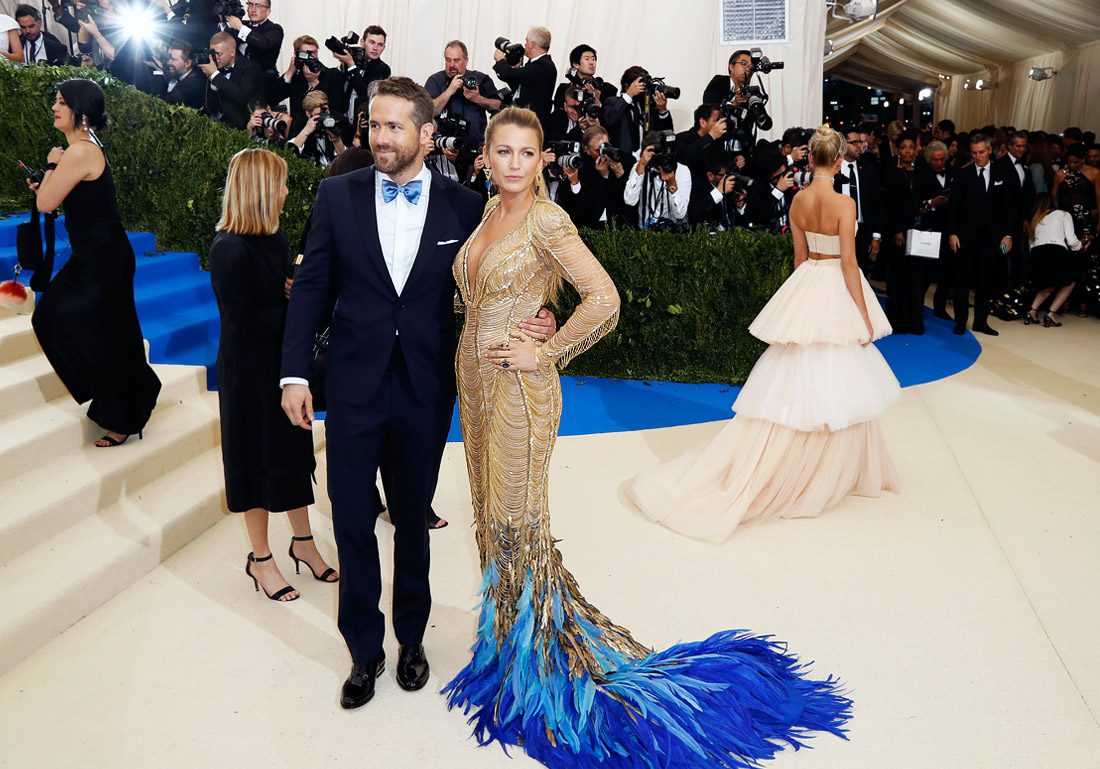
The Origin of the Met Gala
The Met Gala was founded in 1948 by fashion publicist Eleanor Lambert. The first event was a gala dinner, with tickets costing $50, and it was held in December. For several decades, the Met Gala was a fairly standard charity event attended by New York high society. It was seen as a prestigious, glamorous party, unofficially known as “the event of the year.”
In its early days, the charity dinner was not held at the Metropolitan Museum of Art itself. Instead, it was hosted at various well-known New York venues, including Central Park, the Waldorf Astoria hotel, and the Rainbow Room nightclub.
A pivotal year for the Met Gala was 1960, when the event was held for the first time in the Metropolitan Museum’s Great Hall, which was decorated with Egyptian-style sculptures. Guests arrived for the evening in lavish, expensive outfits, furs, and, of course, diamonds.
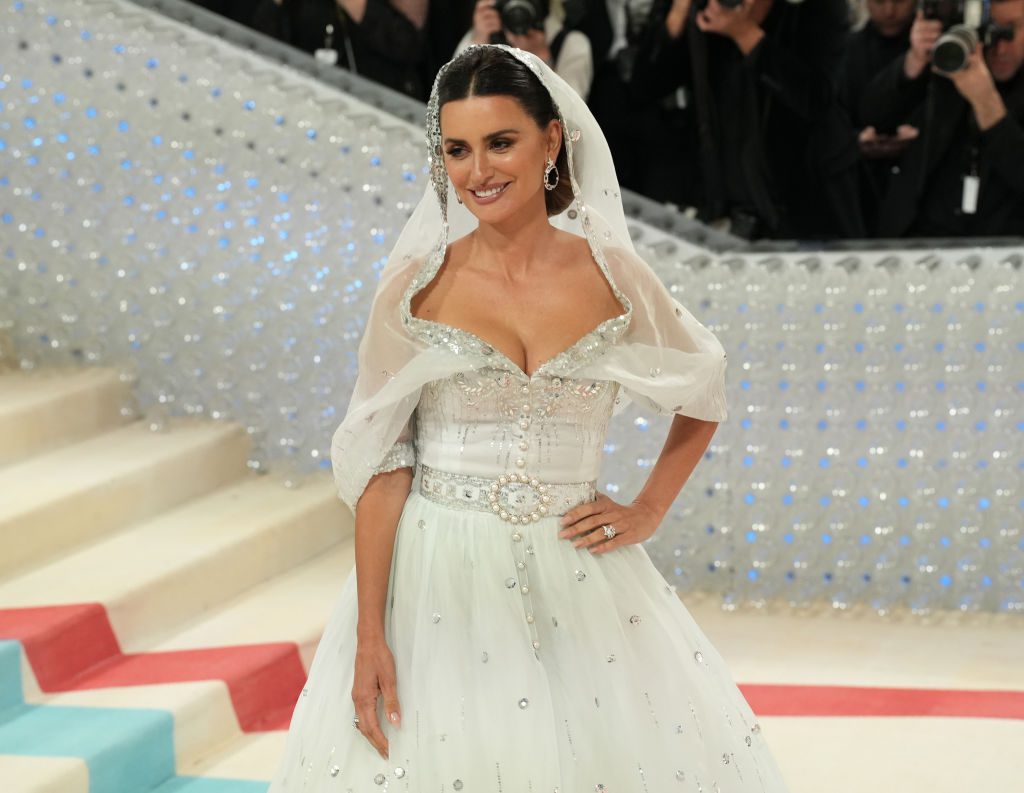
The Turning Point of the Met Gala
In 1972, a turning point in the history of the Met Gala occurred when Diana Vreeland was appointed as a special consultant to the Costume Institute. Vreeland was a highly influential French-American fashion columnist and editor who worked with popular publications like Harper’s Bazaar and Vogue. It was under her guidance that the Met Gala became more daring and moved beyond a simple charity dinner. Many of the ideas Vreeland introduced at the beginning of her work with the event are still in place today. For example, she began involving her famous friends in the event, including former U.S. First Lady Jacqueline Kennedy Onassis and the wife of American writer Christopher Buckley, Pat Buckley.
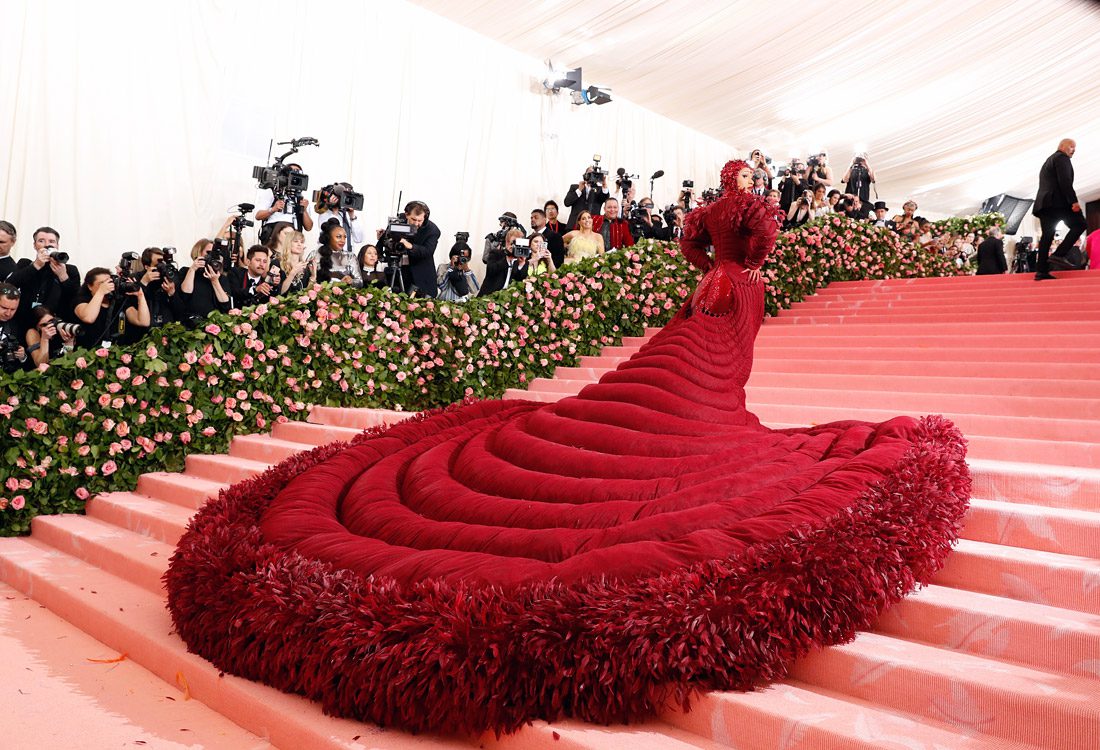
The Rise of a Fashion Event
Starting in 1973, the lavish Met Gala parties became themed. The first one was dedicated to the iconic Spanish designer Cristóbal Balenciaga and was called “The World of Balenciaga.” Vreeland transformed the event from a mere social dinner into something people talked about and dreamed of attending. Guests at the Met Gala were now expected to walk through the museum’s massive hall, showcasing their outfits. The guest list was also significantly expanded, now including not just socialites, New York millionaires, and aristocrats, but also Hollywood stars like Cher, Diana Ross, and Mick Jagger.
Under Vreeland’s leadership, the event began to take shape as the biggest fashion party of the year. In 1989, Diana Vreeland passed away from a heart attack at the age of 85. Her place was eventually filled in 1995 by journalist and Vogue editor-in-chief Anna Wintour. From then on, the Met Gala evolved into the event we know today, establishing clear and strict rules that all guests must follow.
Anna limited the guest list to 650-700 people and moved the date from December to the first Monday in May. Ticket prices also increased dramatically. While they cost $50 in the event’s early years, they rose to around $1,000 in the 1970s and 1980s, and by the late 1990s, the price had jumped to $2,000, continuing to climb each year. As the event’s popularity grew and the biggest stars of the time began to attend, a ticket to the Met Gala cost $25,000 in the 2010s, and a table for 10 could be bought for $250,000.
Typically, designers purchase tables and fill them with celebrities they have dressed for the occasion. However, not just any millionaire can show up, as the guest list is personally approved by Anna Wintour herself. It is not uncommon for the Vogue editor to deny entry to famous guests and companies who, in her opinion, do not meet her standards.
Perhaps it’s this pickiness that has made the Costume Ball so exclusive, unique, and talked about, with guests happily paying huge sums for tickets just to be there. In 2013, the gala raised $9 million, followed by $12 million in 2014, and a record $15 million in 2019. The Met Gala remains one of the largest charity events in New York, having raised nearly $200 million for the Costume Institute throughout its history.
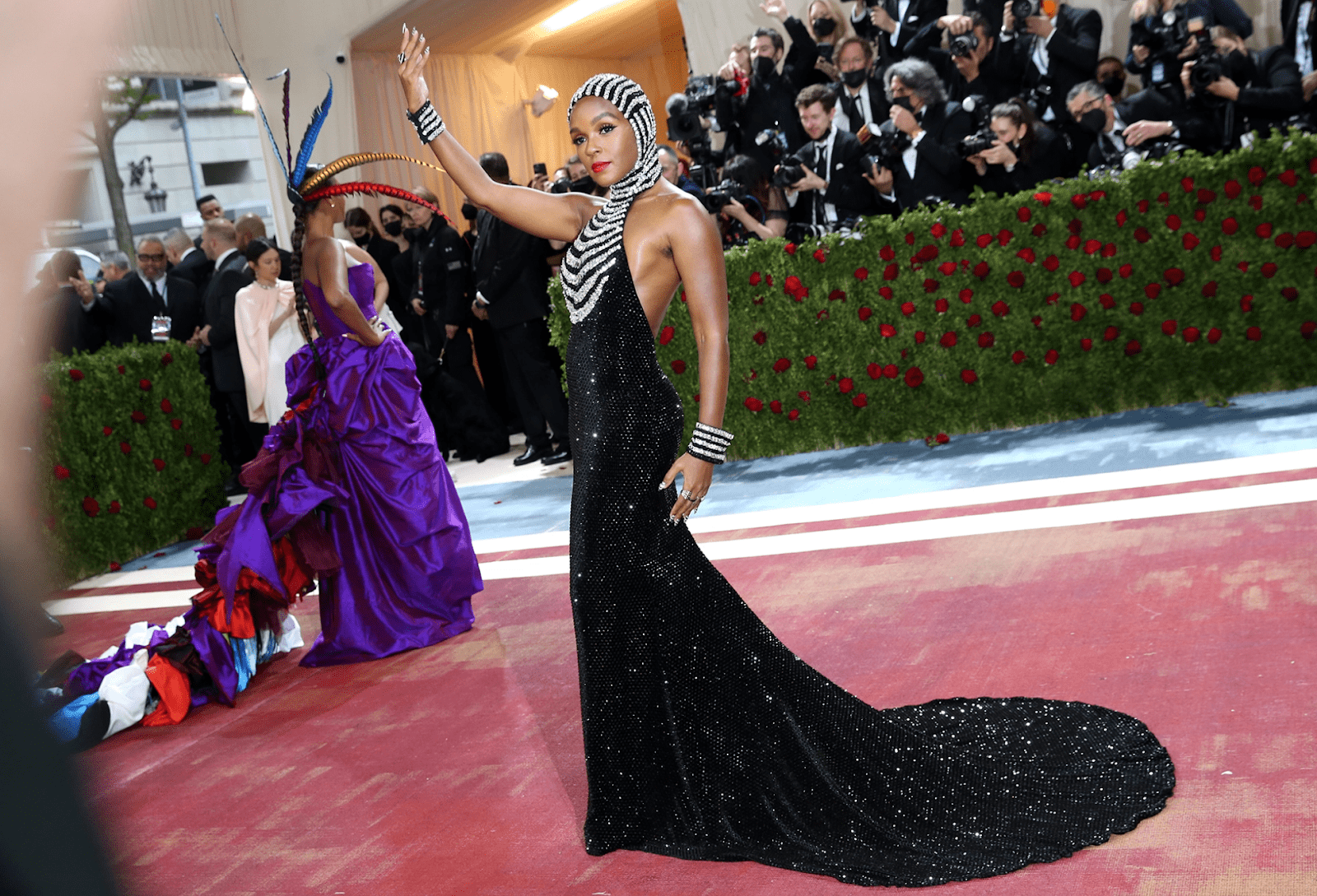
Interesting Facts About the Met Gala
- Preparation for the Met Gala begins months in advance. Designers and celebrities often consider several offers on who to go with and what to wear. Many nuances arise during the creation of the look. For example, stars like Katy Perry, who are used to theatrical costumes, know what will grab attention. On the other hand, some guests might feel awkward in eccentric outfits. Designers also know in advance who will be seated at their table to avoid similar dresses. It’s important that all dresses are different colors. The brand then decides whether to stick to the ball’s theme. For example, a large number of neutral looks are expected this year, as many designers won’t work with a religious theme on principle.
- The Met Gala is a paid and expensive event. It’s worth noting that the ball always has sponsors, so all ticket sales go to the Costume Institute and to charity. Of course, not all guests pay for their tickets. Brands often invite celebrities to their tables, and Anna Wintour invites young, promising designers to support them. According to the New York Times, most tickets are purchased by fashion companies like Burberry, Chanel, and Versace. This gives designers a chance to draw attention to their brand, as the celebrities they choose will be wearing their outfits. And despite the ticket price or the guest’s reputation, the final say remains with Anna Wintour. She personally approves the entire guest list.
- Anna Wintour has a huge number of requirements for the organizers. For example, she has banned parsley, onions, and garlic from the party’s dishes. Snacks like bruschetta are also excluded from the menu, all due to fears that they might land on someone’s dress. However, insiders say that almost no one eats at the banquet, and most of the food remains untouched.
- In 2015, Anna Wintour banned the use of social media of any kind during the event. Some believe this policy is to ensure official photographers get good prices for the shots they take during the ball. Wintour is also famously against selfies and does not welcome this type of photo on the red carpet, but backstage, it’s impossible to resist a live photo with friends.