

Anna Wintour is the legendary Vogue editor who went from being criticized and fired to becoming the most influential woman in the fashion industry. She transformed the magazine’s style, establishing it as the fashion Bible, shaped trends, discovered new designers, and influenced the world of fashion with her unwavering yet effective leadership. Read on 111 the success story of this iconic fashion figure on newyorkski.info.
Aristocratic Roots and a Rebellious Spirit
Anna Wintour was born on November 3, 1949, in Hampstead, London, to newspaper editor Charles Wintour and philanthropist Eleanor Trego Baker. She grew up in a family with a rich history and influential ancestors, including British generals, politicians, and even earls. From an early age, Anna showed fierce independence: she boldly broke school rules, experimented with fashion, and, starting at age 14, adopted the bob hairstyle that would become her lifelong signature look.
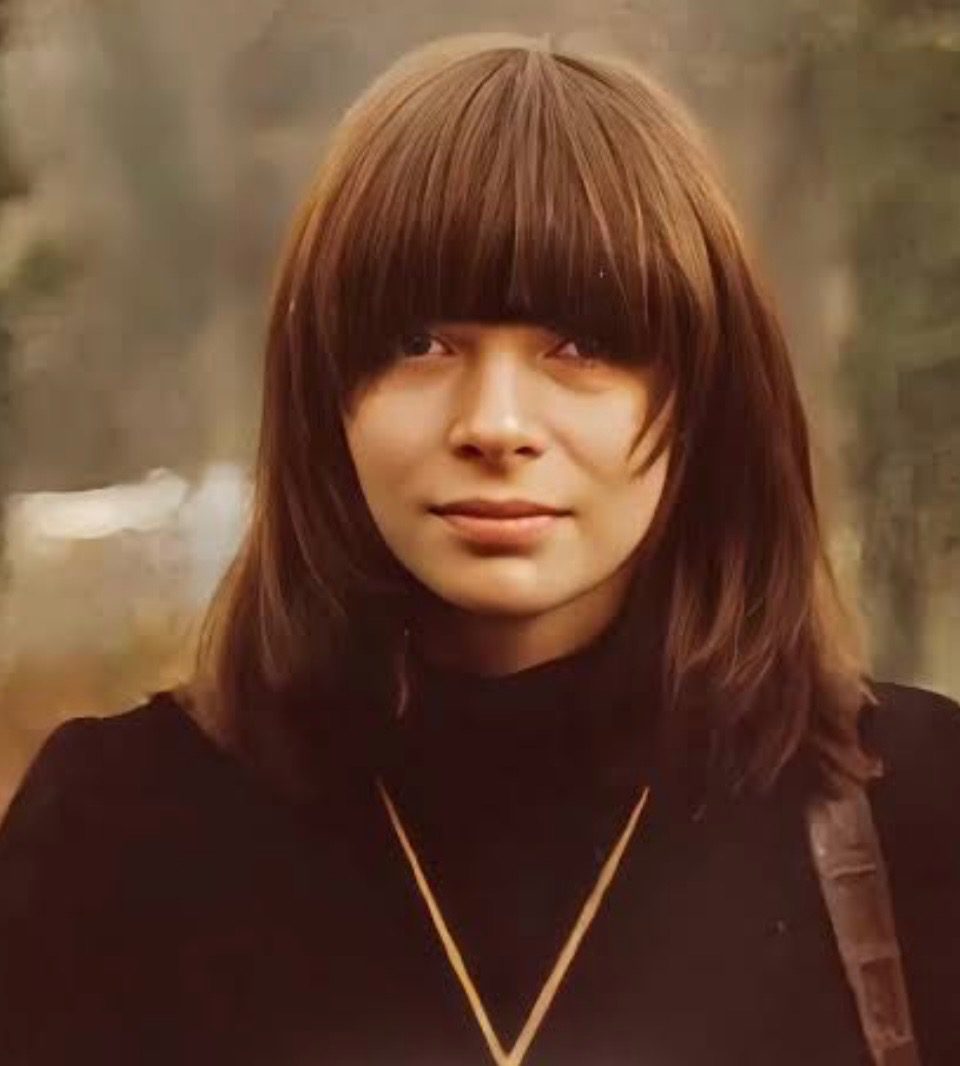
As a young woman, Wintour was fascinated by fashion, following TV shows and American magazines sent by her grandmother. She adored the London club scene of the 1960s, where the Beatles and the Rolling Stoneshung out. The influence of her stern and talented father shaped her management style and her drive for perfection, which later made Anna one of the most powerful figures in global fashion.
First Steps in the Fashion World
Anna Wintour always felt her future in fashion was predetermined.
“I think my father really decided for me that I should work in fashion,” she once confessed.
It was her father who secured her first job at the iconic London boutique Biba when Anna was just 15. The following year, she left school, started an internship at Harrods, and, at her parents’ insistence, tried fashion courses—but quickly quit, boldly stating:
“You either know fashion or you don’t.”
As a teenager, Anna got her first editorial lessons from her boyfriend, Richard Neville, co-editor of the controversial magazine Oz. Her official start in fashion journalism came in 1970 at Harper’s & Queen, where the young Wintour immediately told colleagues she intended to head Vogue one day. She quickly built a circle of influential contacts, discovering model Annabel Hodin for the magazine and bringing in photographers like Helmut Newton and Jim Lee for shoots.
Conflicts with editor Min Hogg accelerated Anna’s move to New York. There, in 1975, she became a junior fashion editor at Harper’s Bazaar, but her overly innovative approach cost her the job after only nine months. Soon after, Anna landed a position at Viva magazine, where she hired her first assistant, establishing her reputation as a demanding and meticulous manager.
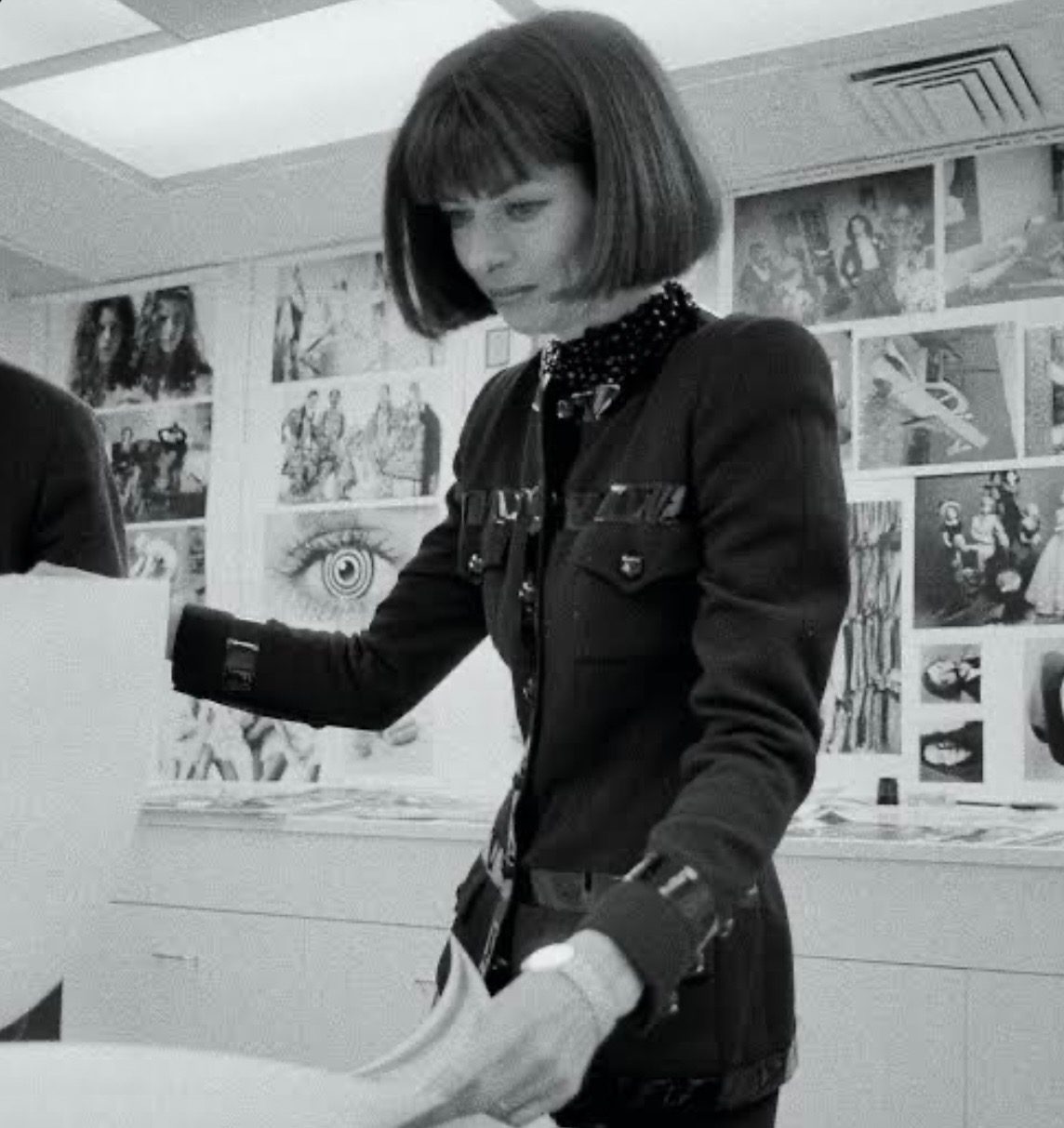
When Viva closed in 1978, Wintour took a break, living between Paris and New York for two years. Her return to the profession came in 1980—she became the fashion editor of the new magazine Savvy, which targeted ambitious professional women. This was the audience she would later bring to Vogue.
In 1981, Anna joined New York magazine, where her boldness found its full voice. She brought in her own furniture, experimented with layout styles, and was the first in the newsroom to understand the power of celebrity covers. It was during this time that a former colleague set up a meeting for her with Vogue editor Grace Mirabella. The interview ended abruptly: Anna bluntly told Mirabella she wanted her job. From that moment on, her path to leading Vogue was only a matter of time.
The Architect of the Vogue Era
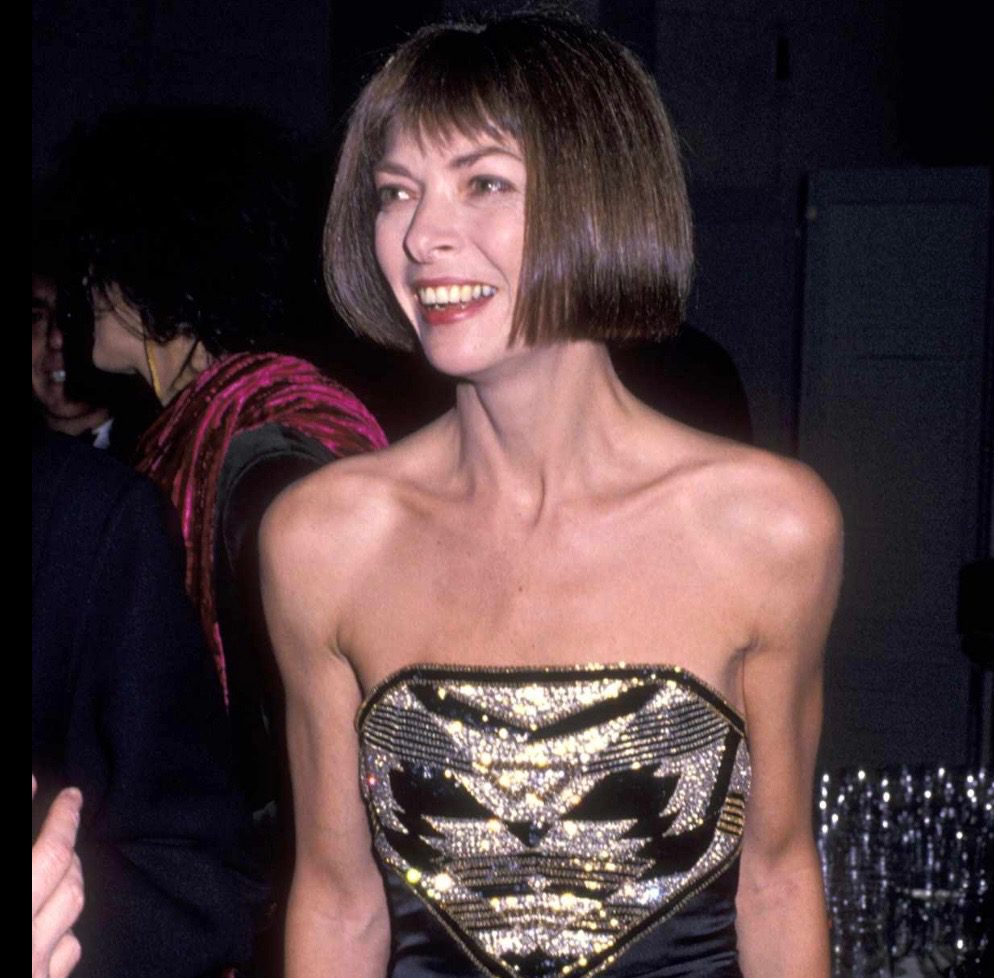
In the early 1980s, Wintour joined Vogue’s editorial team at the invitation of the legendary Alex Liberman. Her new position as Creative Director had vaguely defined responsibilities, but everyone quickly realized: Wintour was a woman of action. She changed layouts, concepts, and aesthetics so rapidly that Editor-in-Chief Grace Mirabella often found out after the fact. The team disliked it, but Wintour was already building the image of a woman who never looked back.
In 1985, Wintour was appointed Editor-in-Chief of British Vogue. She immediately revamped the team, drastically changed the magazine’s style, and moved away from traditional British eccentricity. Anna saw the new reader—a business-minded, practical woman who wanted quick answers, not beautiful abstractions. This was the path she set for the magazine.
In 1987, Wintour was brought back to New York, this time to head House & Garden. Her methods were once again radical: massive team changes, the cancellation of expensive photo projects, and a major relaunch. She infused the magazine with so much fashion and celebrity content that the industry dubbed it House & Garment. However, readers didn’t take to it—subscriptions fell, and advertisers left. Ten months later, Wintour was promoted to the next level. She became the Editor-in-Chief of U.S. Vogue.
From day one, Anna shattered the traditional cover format. Instead of flawless portraits of supermodels in studios, she featured candid shots, movement, spontaneity, street settings, new faces, and completely unexpected combinations of clothing. Her famous first issue (1988) with Michaela Bercu in cheap jeans and a luxurious designer top was a revolution. Wintour established rigid visual control: no shoot started without her approval. She was less interested in the text, but photography was always the priority.
The Wintour era at Vogue spanned over three decades:
- The 90s: The Battle for Supremacy.
Under Anna’s leadership, Vogue reclaimed its position as the premier fashion magazine. Competitors (Elle, Harper’s Bazaar, Mirabella) tried to capture the audience, but Vogue set the tone.
- The 2000s: The Vogue Brand Empire.
A period of expansion. Teen Vogue, Vogue Living, and Men’s Vogue were launched—each ambitious and profitable. In 2004 and 2007, record-breaking September issues were published, spanning hundreds of pages.
- 2010s–2020s: Legendary Status.
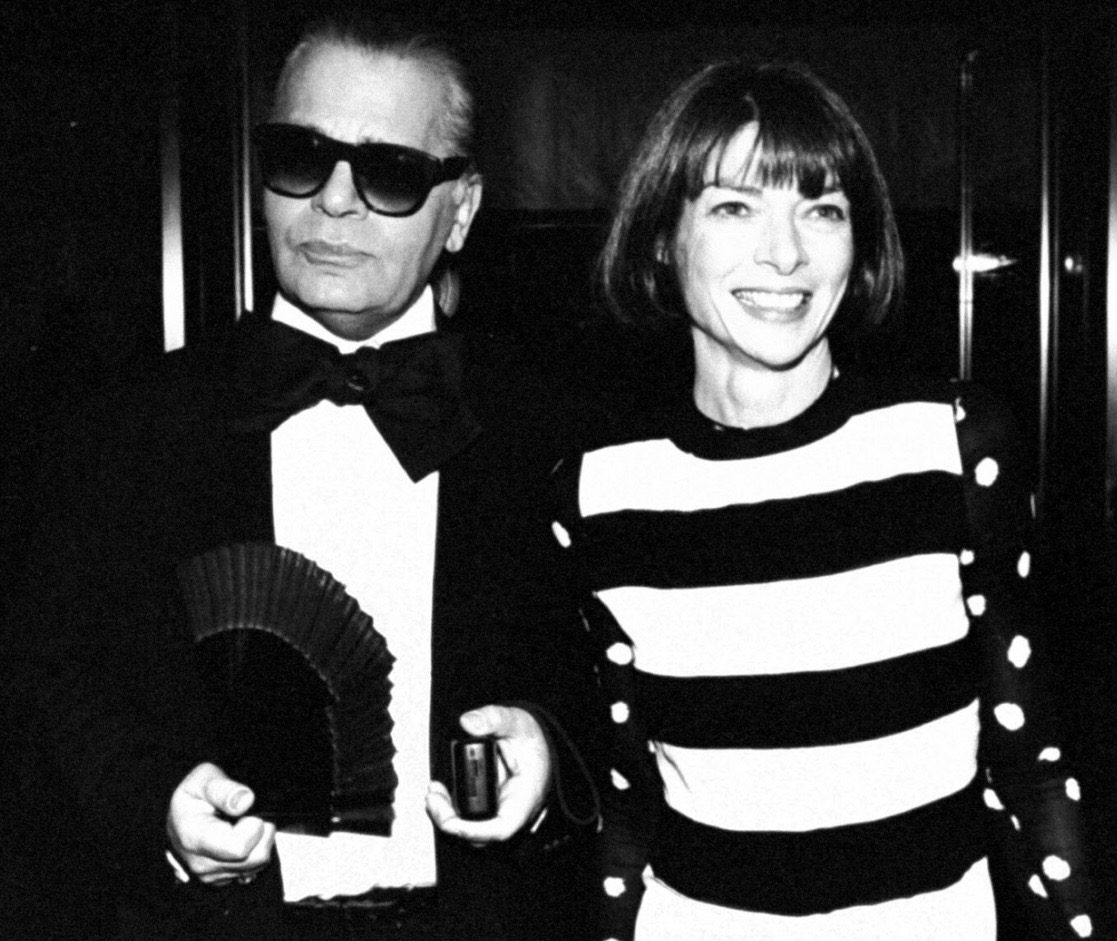
Anna received new powers, becoming Condé Nast’s Artistic Director and Global Chief Content Officer. The Metropolitan Museum of Art’s Costume Institute was named in her honor. She was included in lists of the world’s most influential women, received British honors, and the American Presidential Medal of Freedom.
Even after stepping down as Editor-in-Chief in 2025, Wintour retains a key role in international Vogue. Anna Wintour didn’t just edit magazines—she shaped the world’s perception of fashion, style, and the role of women in media. Her decisions were bold, sometimes controversial, but always influential.
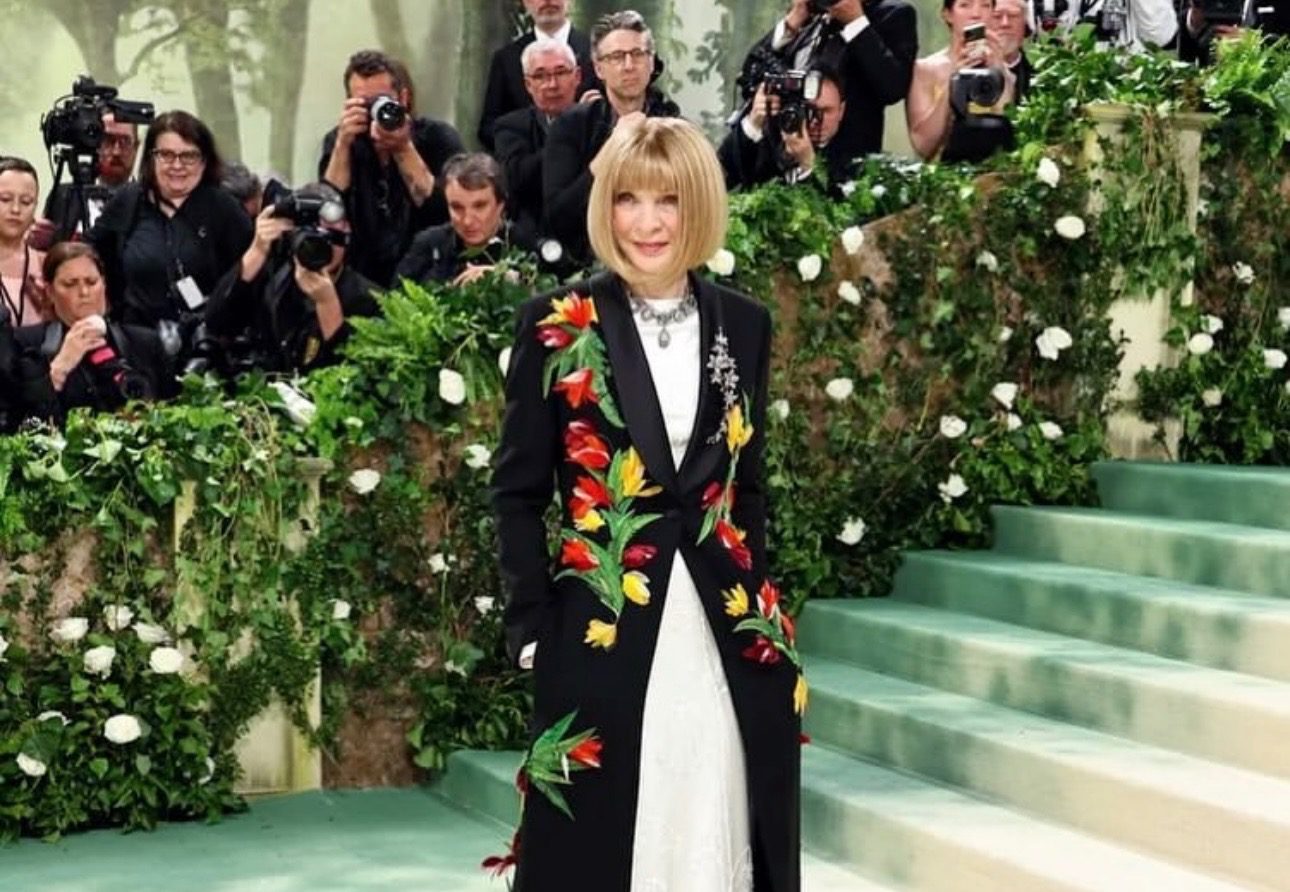
The “Devil Wears Prada” Phenomenon
The story of Anna Wintour’s relationship with the novel and film The Devil Wears Prada has long been part of her mythology. The narrative, which started as a young assistant’s experience, turned into a global cultural phenomenon that both satirized and reinforced Wintour’s image.
Lauren Weisberger, Wintour’s former assistant, wrote The Devil Wears Prada after a year at Vogue. Readers anticipated an insider exposé, and journalists closely monitored whether the character Miranda Priestly was based on Wintour. Anna reacted with restraint, ironically telling The New York Times:
“I always enjoy a wonderful piece of fiction. I haven’t decided whether I’m going to read it or not.”
Weisberger insisted the novel was a mix of her own stories and the experiences of her acquaintances, not a literal portrait of the Vogue editor-in-chief. However, the similarities were too numerous to ignore. During the film’s production, rumors circulated that Wintour had allegedly warned designers that Vogue would not support those who appeared in the movie. She denied this. As a result, only Valentino Garavani appeared on screen.
The film was a tremendous success. Meryl Streep created a Priestly who was more restrained, nuanced, and human than the book version. Her character’s office was so similar to Wintour’s own that Anna, according to rumors, even updated her office décor after seeing the film.
Biographer Jerry Oppenheimer wrote that The Devil Wears Prada transformed Wintour into a pop culture icon: she was discussed in shopping malls, school cafeterias, and small towns where Vogue had never been a part of reality.
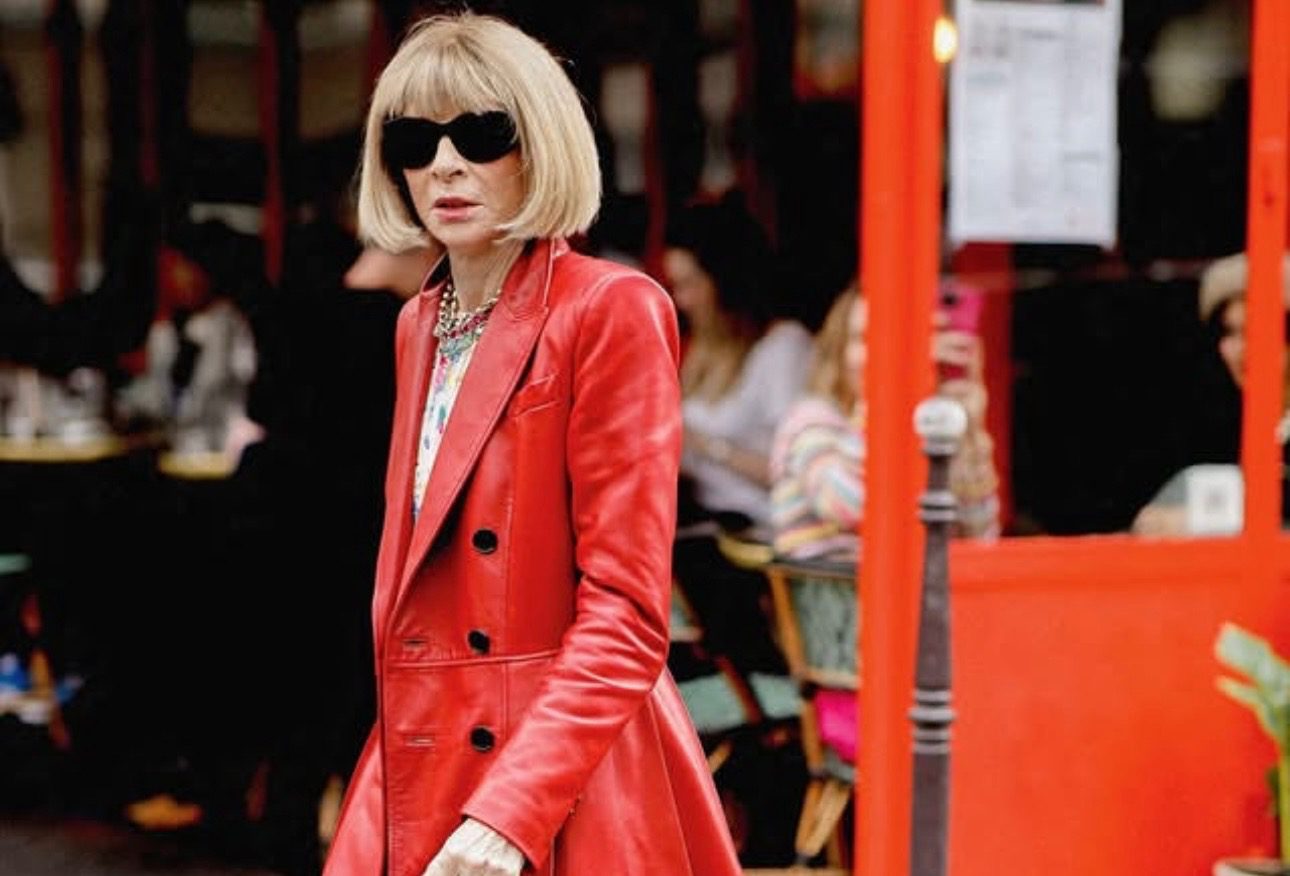
Almost twenty years after the first installment’s premiere, it was announced that the film would get a sequel. Meryl Streep is set to return as Miranda Priestly. The premiere of The Devil Wears Prada 2 is scheduled for May 2026.
In 2009, the documentary “The September Issue” was also released, offering a real-life look at the creation of Vogue’s biggest annual issue. On screen, Wintour was composed, confident, and unflappable—a person who runs a fashion empire without the emotional outbursts attributed to her by pop culture.
The novel, the film, and subsequent interpretations of the Miranda Priestly character simultaneously satirized and cemented Anna Wintour’s influence. They made her name part of global pop culture, and her cold demeanor a symbol of editorial power. And although the fiction often exaggerated reality, it did not harm Anna—on the contrary, it turned her into a legend known even to those who have never opened Vogue.