

The legendary American broadcast journalist who became the first woman to co-anchor a U.S. network evening news program. Read on newyorkski.info for the story of how she overcame discrimination, signed a record-breaking contract, and made history with her iconic interviews.
A Childhood Under Deceptive Spotlights
Barbara Jill Walters was born on September 25, 1929, in Boston, into a family where show business was not just a profession but a way of life. Her father, Lou Walters, a nightclub impresario and Broadway producer, came from a family of Russian Jewish immigrants. Her mother, the daughter of immigrants, held the family together through constant moves and financial swings.
Barbara’s childhood was spent backstage: rehearsals, stages, and female performers and dancers who would pick up the little girl and spin her until she was dizzy, followed by her father taking her out for hot dogs. Yet life wasn’t a non-stop party. Lou Walters repeatedly made and lost fortunes; after one major crash, the family lost their penthouse near Central Park, a home in Florida, and their possessions. These setbacks taught Barbara sobriety and the wisdom not to be star-struck—a skill that would later become her professional advantage. She recalled:
“It looked very glamorous on the surface, but I knew they had problems and troubles. So I was never awed by a celebrity. It came from my childhood.”
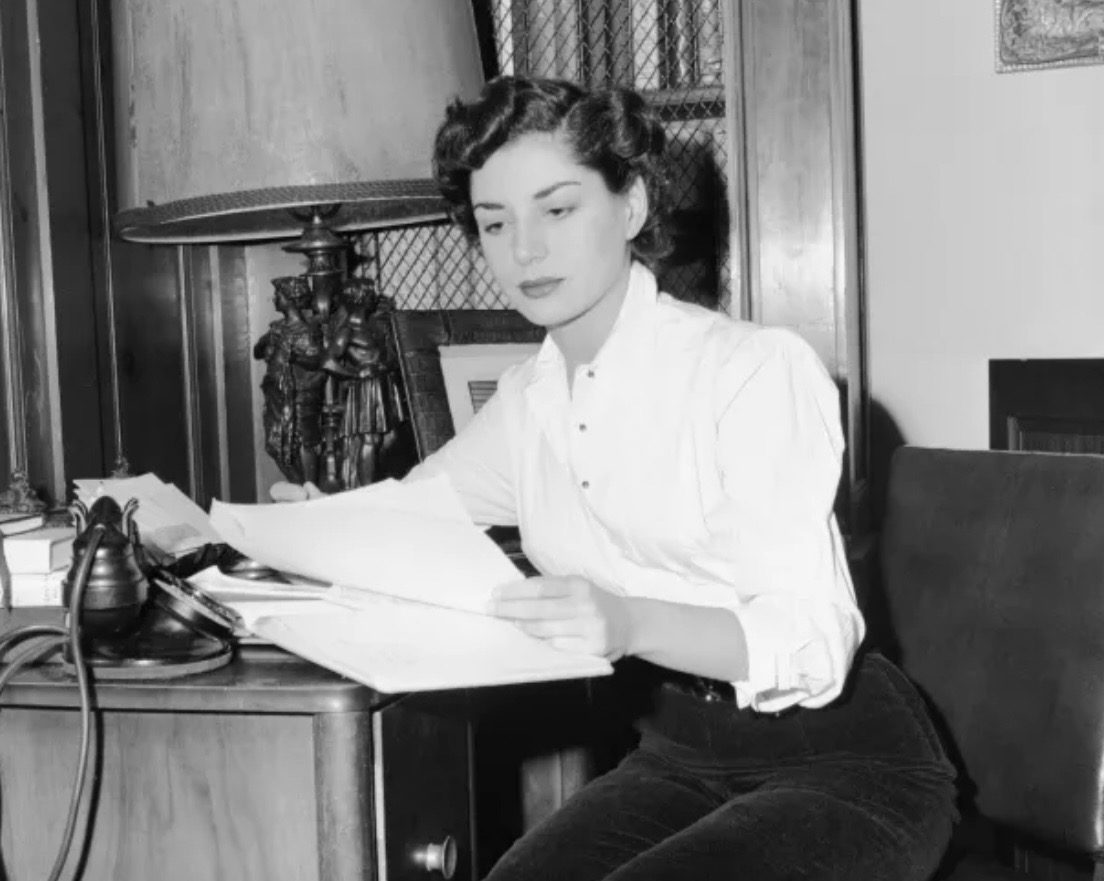
Family losses also left a mark. Her brother Burton died as an infant from pneumonia, and her older sister Jacqueline, born with developmental disabilities, passed away in 1985. Barbara herself grew up moving between Boston, New York, and Miami Beach, switching schools along with her father’s business ventures. In 1951, she earned a bachelor’s degree in English from Sarah Lawrence College.
The Path to the Airwaves: How Barbara Walters Changed the Game
Barbara Walters’ early career was far from the glamour of television. In 1953, Walters created her own 15-minute children’s program, Ask the Camera, directed by a young Roone Arledge. She also produced material for society columnist Igor Cassini but quickly left NBC after a personal conflict—an episode that clearly demonstrated how vulnerable a woman’s position was in media at the time.
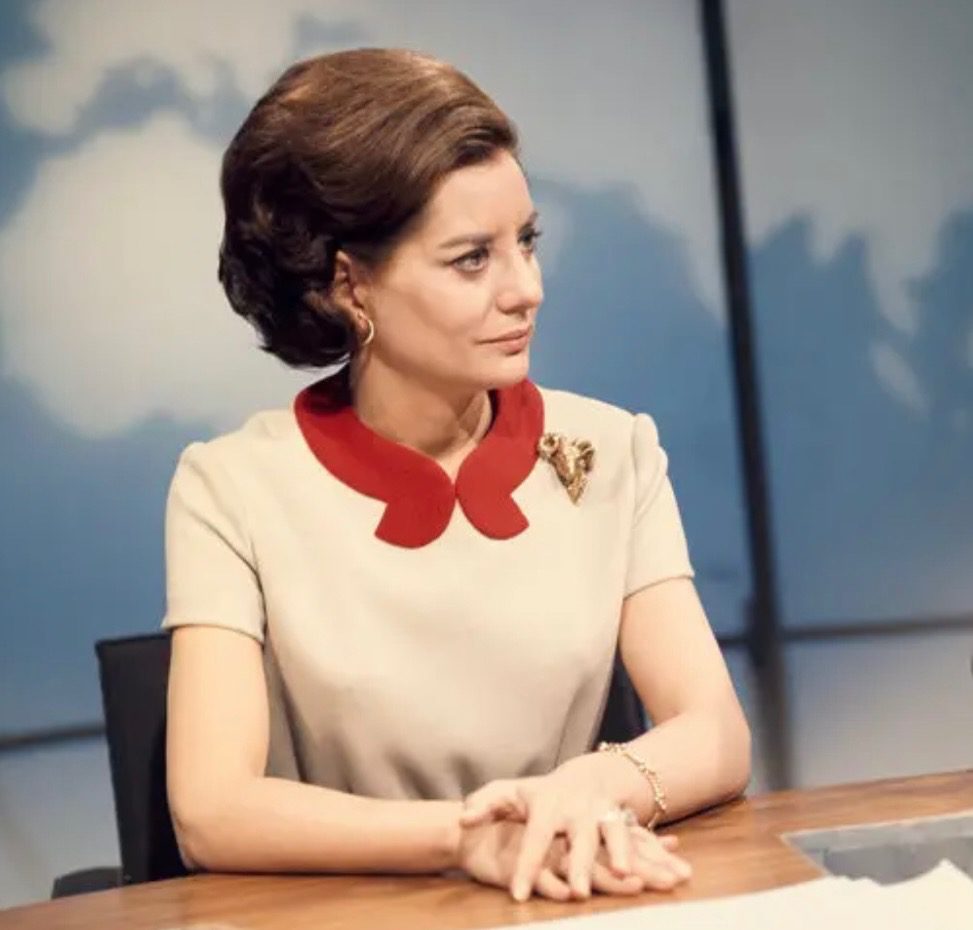
This was followed by a brief stint at WPIX with The Eloise McElhone Show, which was canceled by 1954. However, Walters didn’t stop. In 1955, she became a scriptwriter for a CBS morning show, and later spent several years as a publicist at Tex McCrary Inc. and wrote for Redbook magazine. This experience hardened her as a journalist and storyteller—attentive to detail and human narratives.
The turning point came in 1961 when Walters joined The Today Show on NBC as a writer and researcher. Soon, she landed the role of the so-called “Today Girl”—a position that, in the pre-feminist era, was limited to light conversation, weather, and commercials. But Walters refused to be “set decoration.” Within a year, she became a fully-fledged reporter, preparing, writing, and editing her own stories. Her reports stood out for their empathy and attention to reality, quickly earning the audience’s favor.
In 1971, Walters began hosting her own syndicated show, Not for Women Only, which aired after Today. For years, she worked alongside Hugh Downs, with whom she had an equal professional relationship. But a different dynamic emerged with the new anchor, Frank McGee: he would only agree to joint interviews on the condition that the first three questions belonged to him. Walters had to accept these terms—a typical compromise for a woman in the male-dominated news world.
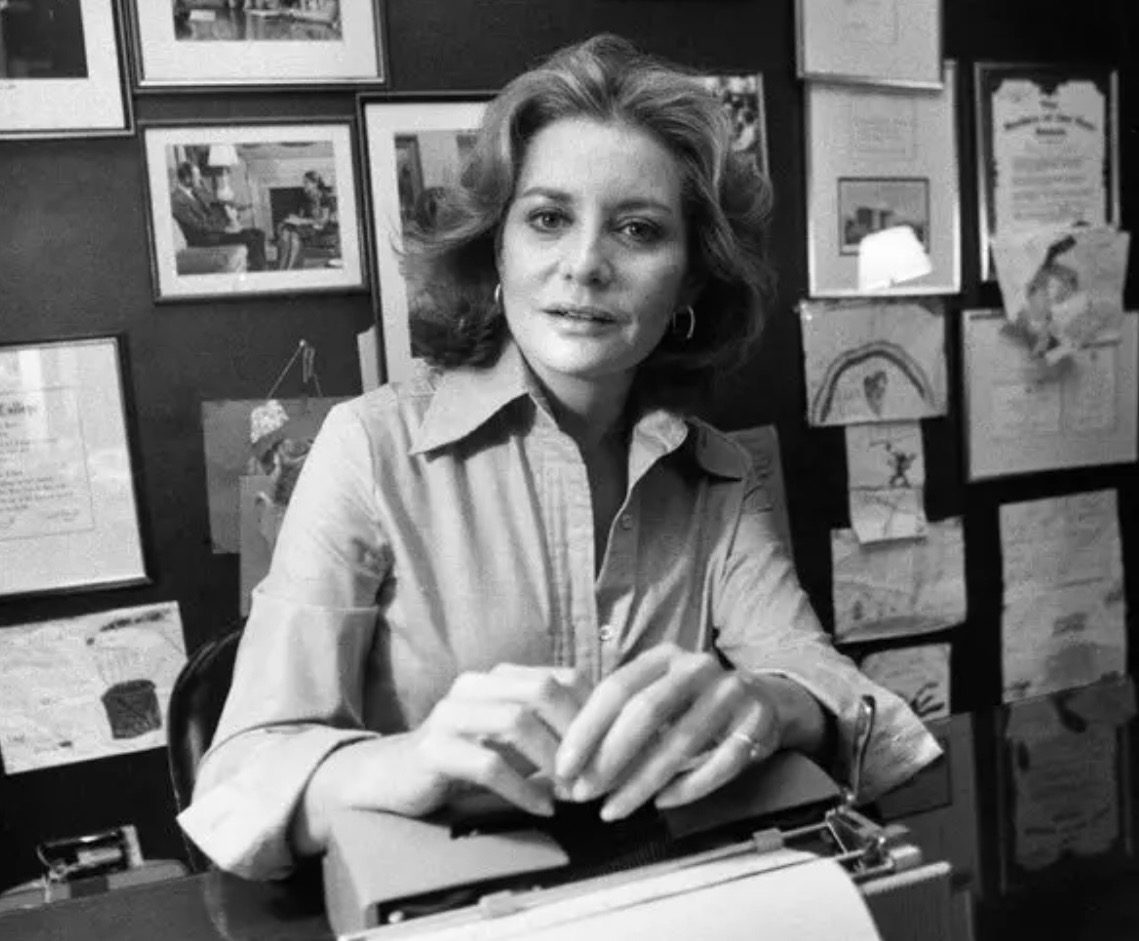
The situation changed in 1974 after McGee’s death. NBC officially named Barbara Walters co-anchor of The Today Show—the first woman in the history of American network news to hold such a title. Her intellect, on-screen confidence, and journalistic persistence made her one of the most influential figures on the air. She won an Emmy Award the following year.
The ABC Era: Big Interviews, Big Stakes
In the mid-1970s, Barbara Walters made a move that forever changed American television. She signed a five-year contract with ABC for a record $5 million, making her not only the highest-paid news anchor of her time but also the first woman to co-anchor a network evening newscast.
After leaving the evening news, she found a format where she truly excelled. In 1979, Walters joined the newsmagazine 20/20, reuniting with Hugh Downs. In 1984, she became the program’s co-anchor and remained its face until 2004. Simultaneously, Walters was a key figure in ABC’s special broadcasts: covering presidential inaugurations, moderating debates, and anchoring during the September 11 tragedy.
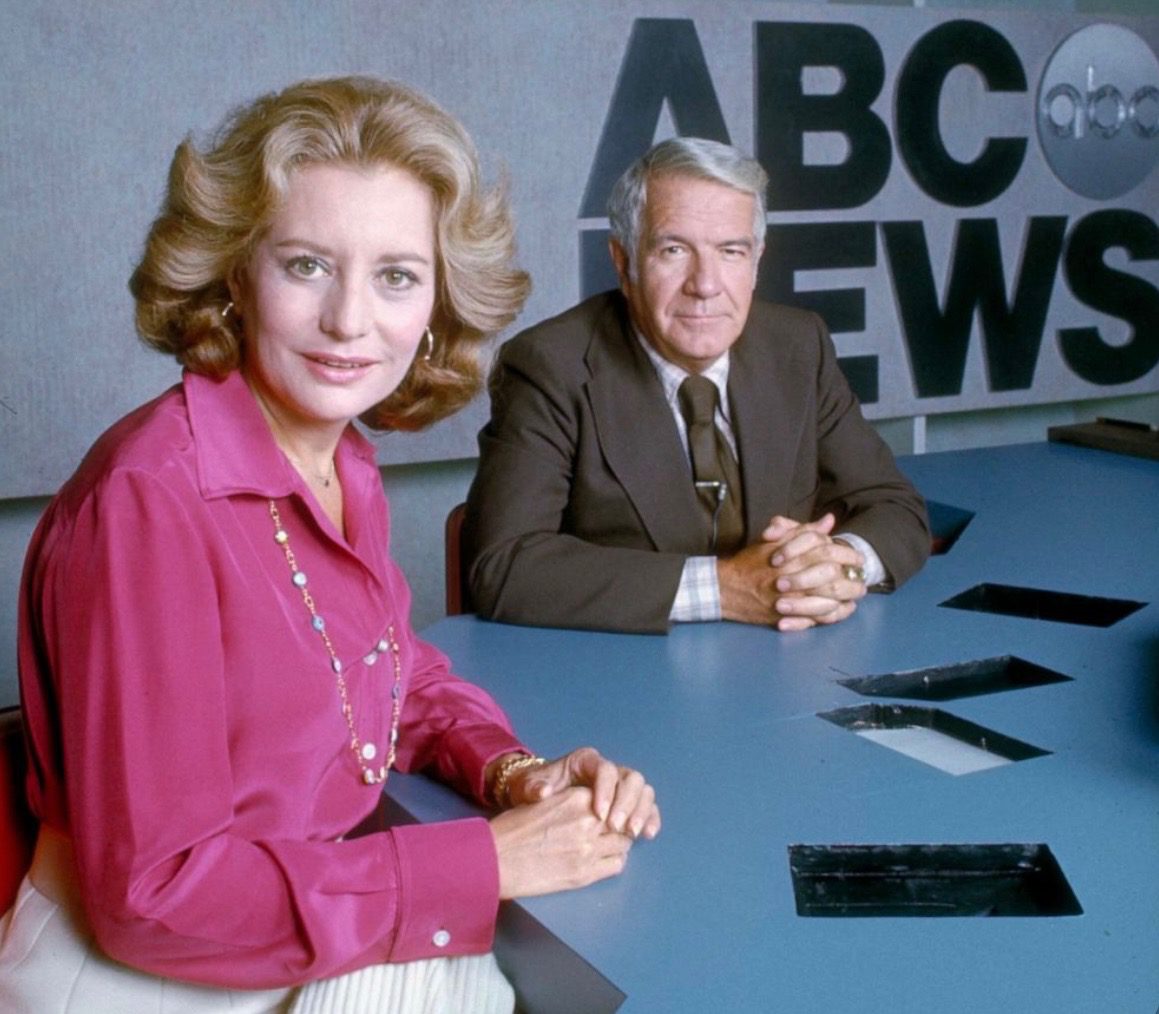
But it was her interviews that made her a true legend. Walters was called a master of personality journalism—she knew how to speak simply while asking questions that made her interviewees open up. Her prime-time Barbara Walters Specials, which started in 1976, garnered record ratings. She was the first to conduct a joint interview with Anwar Sadat and Menachem Begin at the moment the Egyptian-Israeli peace process was beginning. She asked Fidel Castro uncomfortable questions about press freedom and spoke with Margaret Thatcher, Boris Yeltsin, Václav Havel, Muammar Gaddafi, Saddam Hussein, and others.
Her interviewees also included cultural icons—from Katharine Hepburn and Michael Jackson to Anna Wintour. The absolute television record was her 1999 interview with Monica Lewinsky—watched by 74 million viewers. Walters knew how to sense the drama of the moment and conclude the broadcast with phrases that instantly became quotes.
And everyone knew that if this woman wanted an interview with someone, she would get it. To secure an interview with Mark David Chapman, John Lennon’s killer, Walters wrote him letters for 12 years before he agreed to talk.
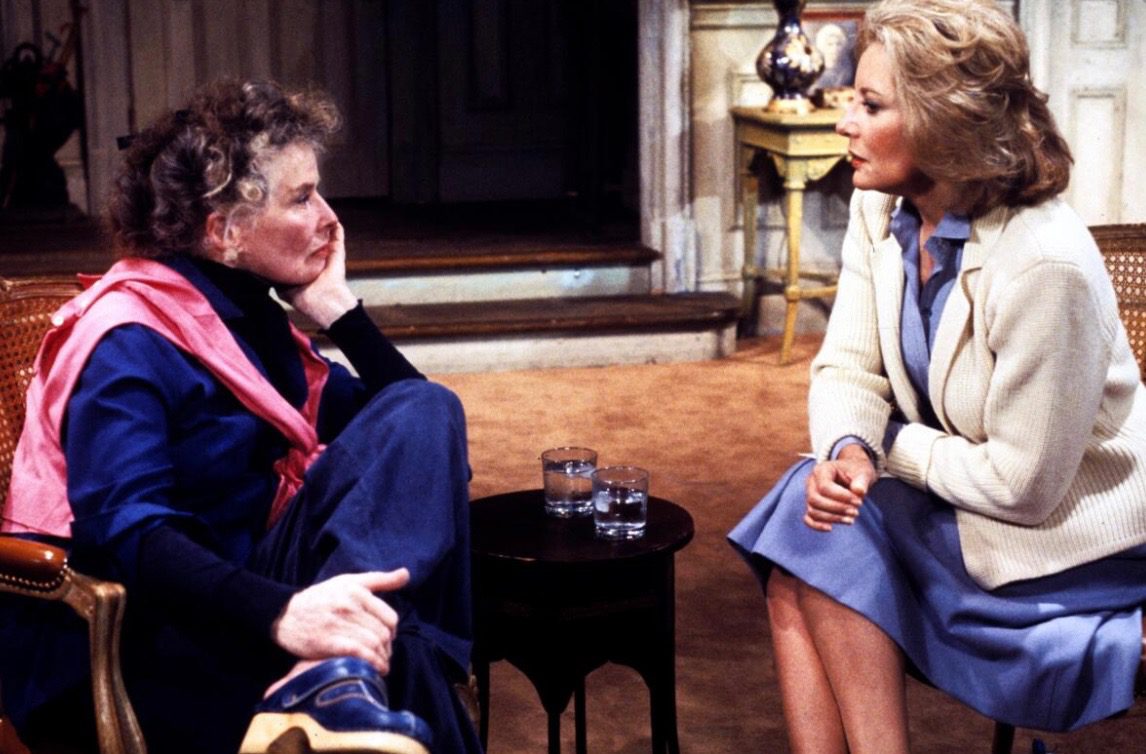
A separate chapter was the program The View, which premiered in 1997. Walters was its co-creator, co-host, and longtime executive producer. The format—a conversation among women of different generations and viewpoints about politics, family, and society—became revolutionary for daytime television and earned the show numerous Emmy Awards.
In 2014, Barbara Walters officially retired from regular broadcasting, remaining behind the scenes as a producer and occasionally returning for special interviews. Her final works aired in the mid-2010s, and her last interview with Donald Trump aired in December 2015.
Walters’ career became a chronicle of the latter half of the 20th century—told through the voices of presidents, dictators, celebrities, and the most fascinating people of the year. She didn’t just conduct interviews; she taught television how to listen.
Personal Choices, Trials, and Legacy
Barbara Walters’ personal life was no less intense than her career. She married three men four times, seeking a balance between intimacy and freedom. Her first husband was business executive and former Navy lieutenant Robert Henry Katz. Their 1955 marriage, held at the Plaza Hotel in New York, was brief, lasting only one year. In 1963, Walters married theater producer Lee Guber. This union lasted over a decade and brought her motherhood: after several miscarriages, the couple adopted a girl, Jacqueline Dena—named after Barbara’s sister. They divorced in 1976. Her third husband was Merv Adelson, head of Lorimar Television. Their 1981 marriage ended in divorce, but they reconciled a few years later and separated for the second time in 1992.
Alongside her marriages were high-profile relationships. Walters was rumored to have dated future Federal Reserve Chairman Alan Greenspan, Senator John Warner, and Senator Edward Brooke.
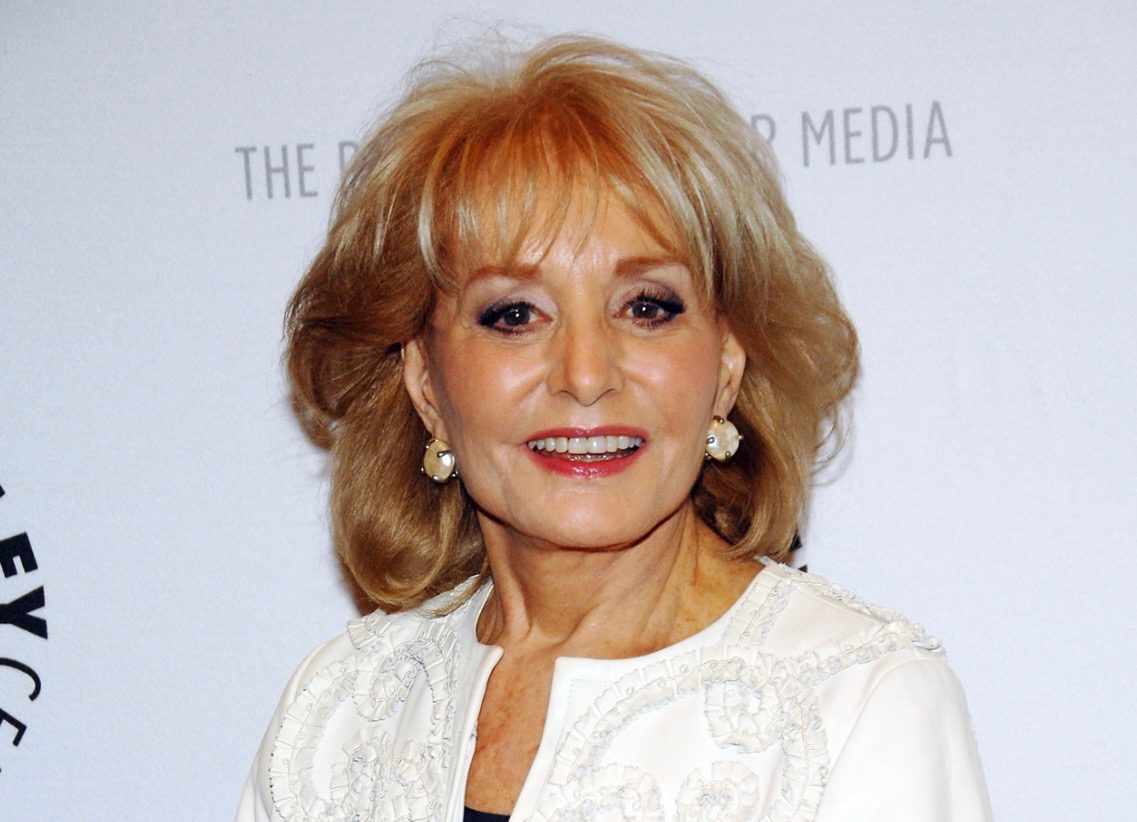
In 2010, the journalist underwent heart surgery to replace an aortic valve, returning to the air within months. Her final years were spent quietly. On December 30, 2022, Barbara Walters died at her home in Manhattan at the age of 93. Her farewell words
“No regrets. I’ve had a wonderful life”
are inscribed on her tombstone in Florida, where she is buried near her family.
The 2025 documentary Barbara Walters: Tell Me Everything summarized this journey—a life lived without regret and with an undeniable impact.
Walters’ legacy is measured not just by awards but by a shift in the culture of television itself. She started at a time when women were not trusted with serious topics—war, politics, or power. With her style of attentive, empathetic interviewing, she opened doors for an entire generation of female anchors. Her influence is cemented in the Television Hall of Fame, on the Hollywood Walk of Fame, in countless Emmys, and in pop culture—from Gilda Radner’s parody to her instantly recognizable, distinct voice.