

The American rock band The Velvet Underground was a pioneering force in the world of alternative music. Although their active period lasted less than two decades, the band’s influence on music history is undeniable, inspiring countless other musicians to push creative boundaries. Global recognition for The Velvet Underground came only after their breakup, and their work continues to captivate rock fans to this day tells newyorkski.info.
Formation and Early Years
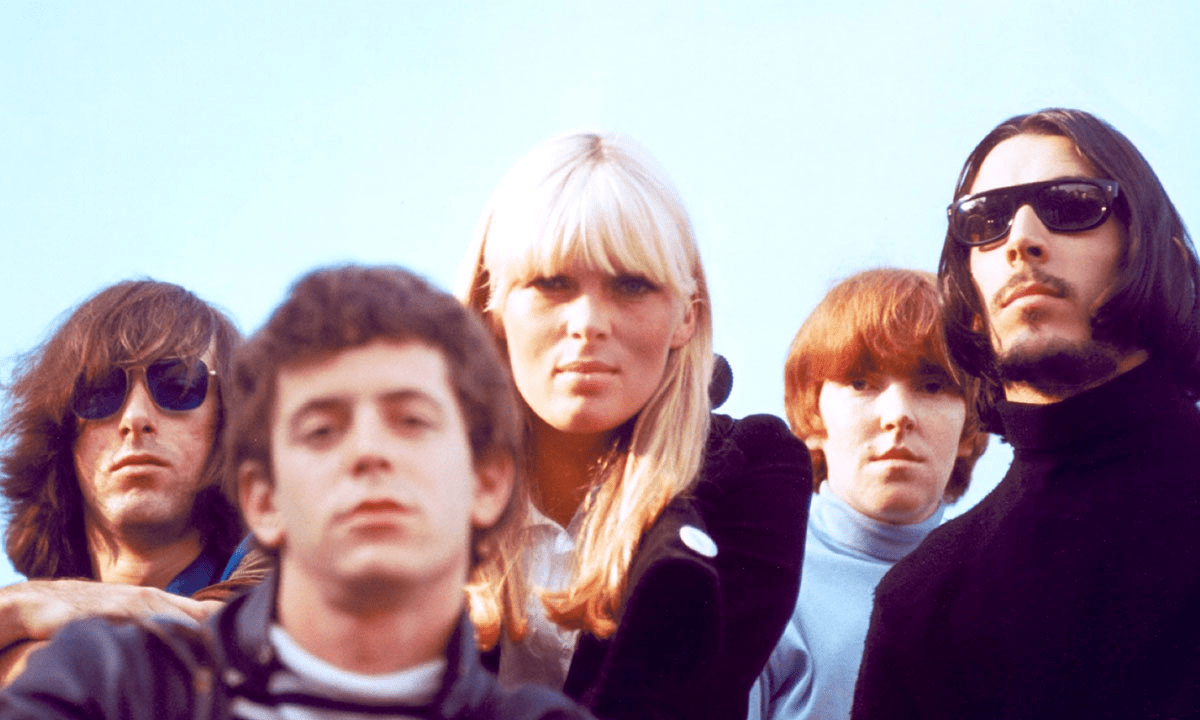
The band’s story began in New York City in 1964, when musician Lou Reed met John Cale. At the time, Reed was writing songs for the label Pickwick Records and playing with various musicians. Cale had come to the US to study classical music and was also collaborating with avant-garde composers. The two bonded over their shared interests and a desire to experiment, and they formed a band called The Primitives to record Reed’s song “The Ostrich.”
Soon after, Sterling Morrison, who had attended Syracuse University with Reed, and drummer Angus MacLise joined the group. MacLise provided equipment for their early shows but left when the band started performing for money. He was replaced by Maureen Tucker, whose unconventional drumming style would later become one of the band’s trademarks.
The musicians went through a few name changes. For a while, they were known as The Warlocks, then The Falling Spikes. The name The Velvet Underground came from a book on sado-masochism that Lou Reed had seen. His bandmates agreed it was a perfect fit for their style, and the name stuck.
Musical Development and First Albums
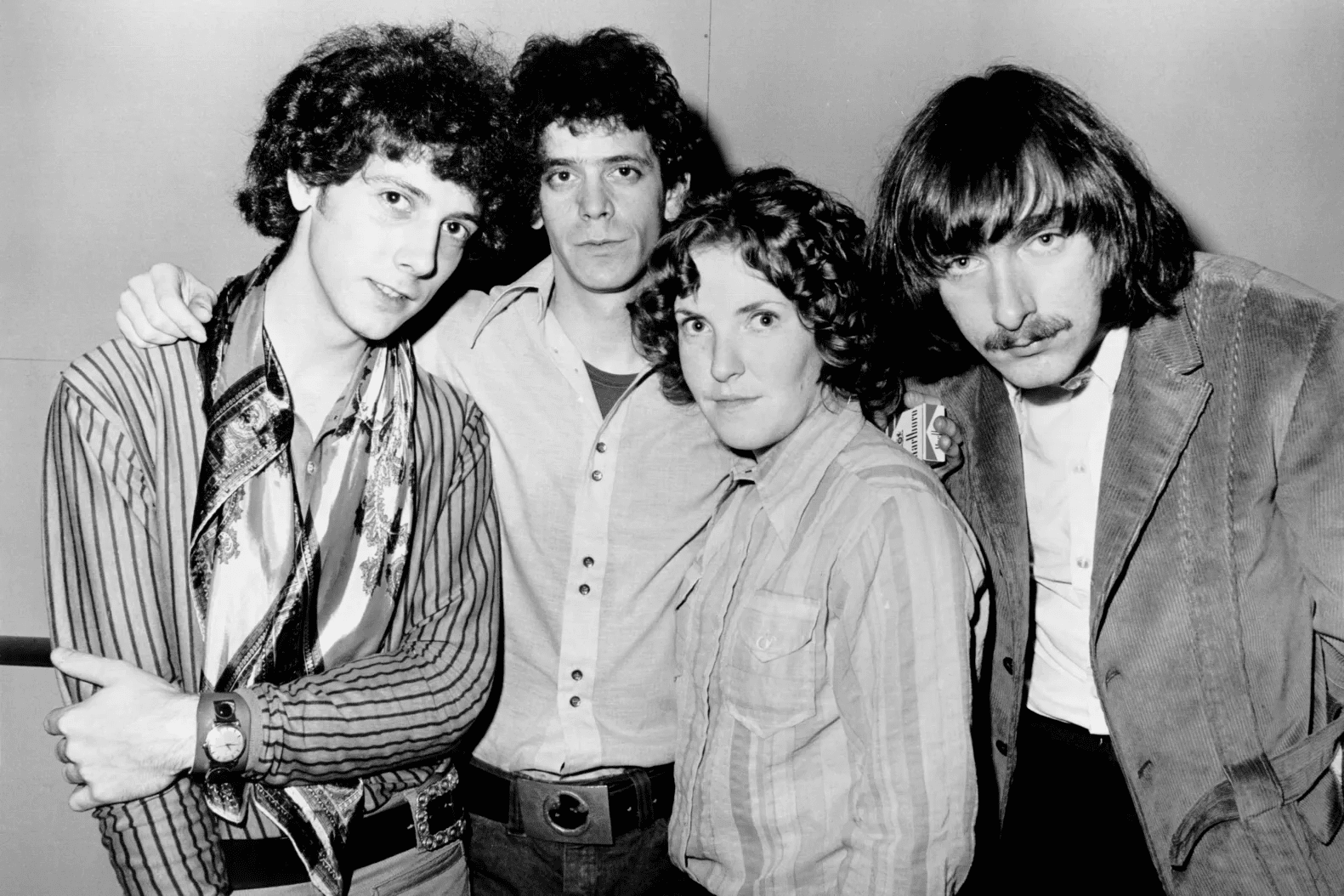
The Velvet Underground began rehearsing intensely. Their early music was quite soft, and in the summer of 1965, they recorded a few songs. They tried to get Mick Jagger to listen, but he showed no interest in the new group’s work.
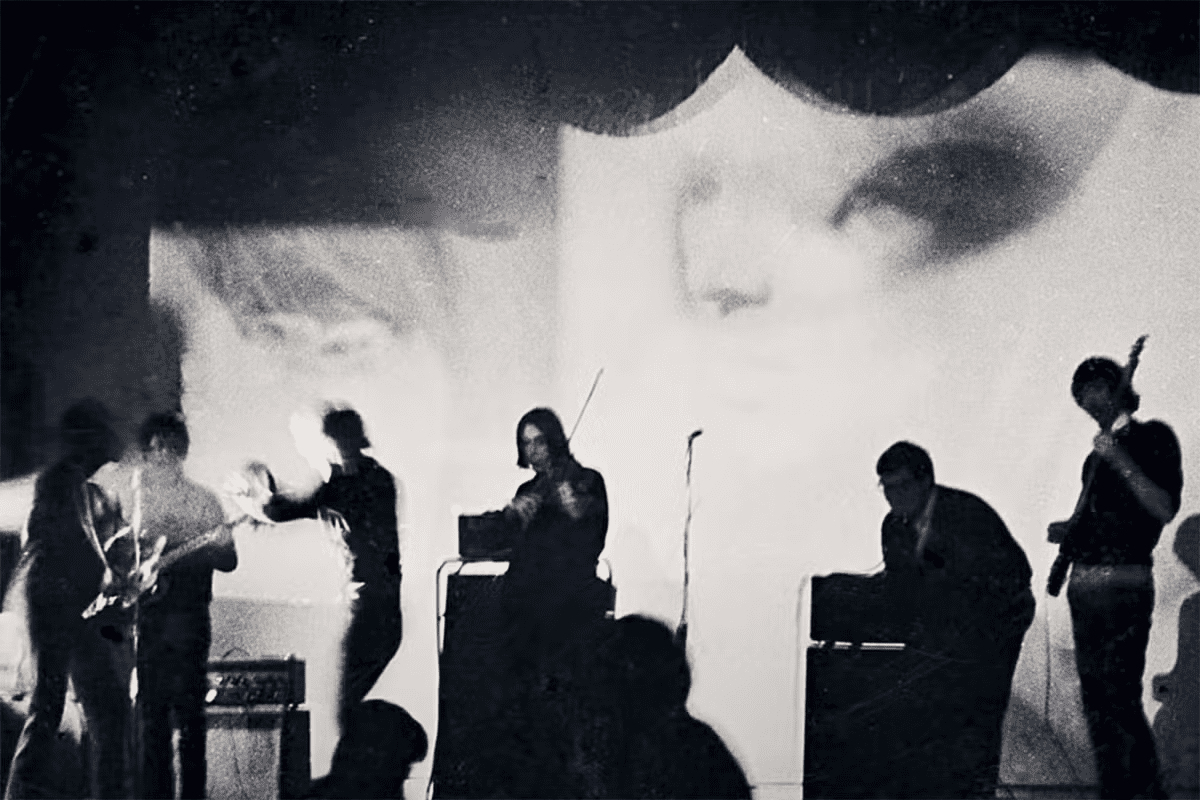
However, the band kept performing, and that same year, Andy Warhol heard them at one of their shows. He invited the musicians to join his multimedia art collective, Exploding Plastic Inevitable. He then became the band’s producer and brought in singer Nico to join them.
Throughout 1966, The Velvet Underground recorded their debut album in three different studios. It was released the following year on Verve Records. Lou Reed wrote the music and lyrics for all the songs, choosing provocative topics like drug addiction, sado-masochism, prostitution, suicide, and cultural decadence. The album included:
- The dissonant drug track “Heroin.”
- “I’m Waiting for the Man,” a song about the grim reality of a seasoned addict who feels more dead than alive.
- “Venus in Furs,” featuring a violin solo, heavy drums, and Lou Reed’s mocking vocals.
- “All Tomorrow’s Parties,” sung by Nico.
The band continued to perform frequently, and their concerts became increasingly experimental. They incorporated many sound effects that were new at the time and became true pioneers of improvisation.
New Producer and a Shift in Style
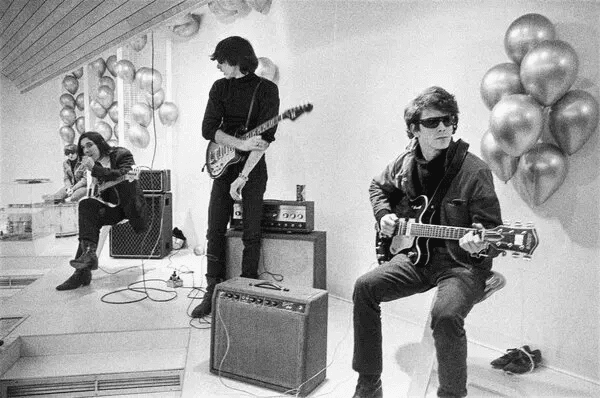
The Velvet Underground’s first album was not a commercial success, which led to the end of their collaboration with Nico and Andy Warhol.
In 1967, the band began recording their second album, White Light/White Heat, with Tom Wilson as their producer. Their music became more brutal and raw. According to Cale, while the first album had elements of beauty, the second was deliberately “anti-beautiful.”
One of the album’s most famous songs was “Here She Comes Now,” which many other rock bands would later cover. The most experimental tracks were “I Heard Her Call My Name” and “Sister Ray.”
Commercially, the second album was even less successful than the first, only reaching number 199 on the Billboard Top 200 chart for two weeks. This intensified the tensions between the band members. They recorded their final songs with the original lineup in early 1968, and the ongoing conflict between Reed and Cale ultimately led to Cale’s departure from the band.
A New Lineup and Continued Activity
John Cale went on to pursue a solo career, and Doug Yule replaced him in The Velvet Underground. In late 1968, the band recorded their third, self-titled album. This album was generally softer and calmer, less experimental, and had folk influences. It helped shape Reed’s songwriting style, which he would later explore in his solo career. The album was released in 1969 but didn’t even make it onto the Billboard Top 200.
That same year, the musicians recorded the live album 1969: The Velvet Underground Live. They also worked in the studio, recording new songs for their fourth album. Reed later reworked some of these for his solo releases.
Around this time, MGM Records president Mike Curb decided to drop all bands with drug-related themes. This forced The Velvet Underground to move to Atlantic Records, where they released their final album with Lou Reed, Loaded. The music became more pop-oriented, with elements of folk rock and rhythm and blues. While it didn’t produce a hit, many of its songs remain fan favorites and are still considered band classics.
In 1970, Lou Reed left The Velvet Underground. Sterling Morrison, who had earned his Bachelor of Arts degree, decided to focus on an academic career at the University of Texas at Austin. He was replaced by keyboardist and singer Willie Alexander. In 1972, Atlantic Records released a recording of the band’s last concert with Lou Reed.
Reunion Attempts and The End
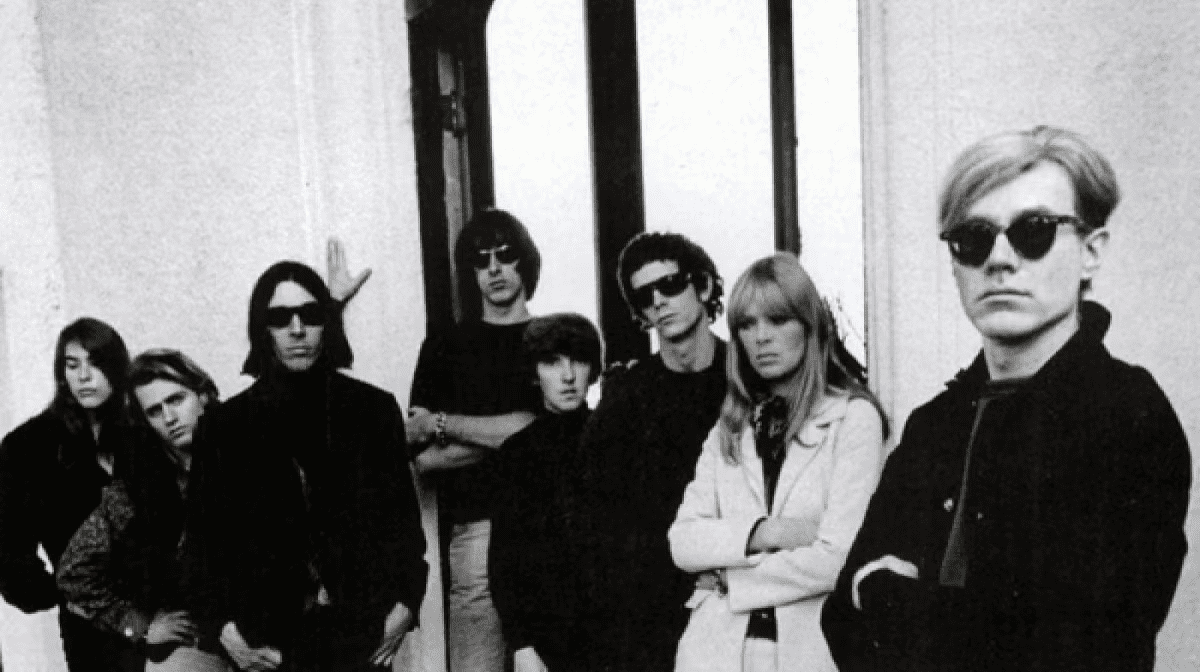
Despite their many conflicts, the musicians tried to reunite more than once. In 1972, Reed, Cale, and Nico got back together to perform in London and Paris. The Paris concert was even released as an official live album in 2003.
Before that, in 1990, Reed and Cale recorded a joint album, Songs for Drella, in memory of the late Andy Warhol. This sparked widespread rumors of a full-fledged reunion and a new chapter in their history.
In 1993, The Velvet Underground—with Reed, Cale, Morrison, and Tucker—did indeed embark on a European tour, starting in Edinburgh. They performed at the Glastonbury Festival and were part of five concerts on U2’s Zoo TV Tour. Recordings from these shows were compiled into the album Live MCMXCIII. Unfortunately, in 1995, Morrison passed away from lymphoma. Reed and Cale’s disagreements resurfaced, and they ultimately abandoned any further plans to work together.
In 1996, The Velvet Underground was inducted into the Rock and Roll Hall of Fame. Critics agreed that the band’s work was a crucial turning point in the history of rock music. Their innovations blended the raw energy of rock with the sonic adventurism of the avant-garde, tackling social issues and sexuality in a fresh way. While their sound can be challenging, at times seeming raw and unpolished, and Lou Reed’s lyrics were unflinchingly realistic, it was precisely these qualities that defined not only The Velvet Underground but also influenced the work of many other musicians of that era.
Even though their records sold in small numbers, the band’s impact on rock music in the latter half of the 20th century was profound. Decades after their breakup, The Velvet Underground has achieved a cult status and their music remains as relevant and popular as ever.