

New York Fashion Week is an incredibly iconic urban event that has been held for many years. Each year, people from all over the world flock to NYC to attend one of the most significant and influential events in fashion. It’s a whirlwind of runway shows, a biannual series of events in Manhattan spanning up to nine days, where international fashion collections are showcased to buyers, the press, and the general public. However, the history of this event runs deep into the 20th century. New York Fashion Week is a reflection of the evolving culture of fashion, society, and commerce, shaped by the changing tides of the city’s history and innovation. Read more at newyorkski.
The Founding of New York Fashion Week
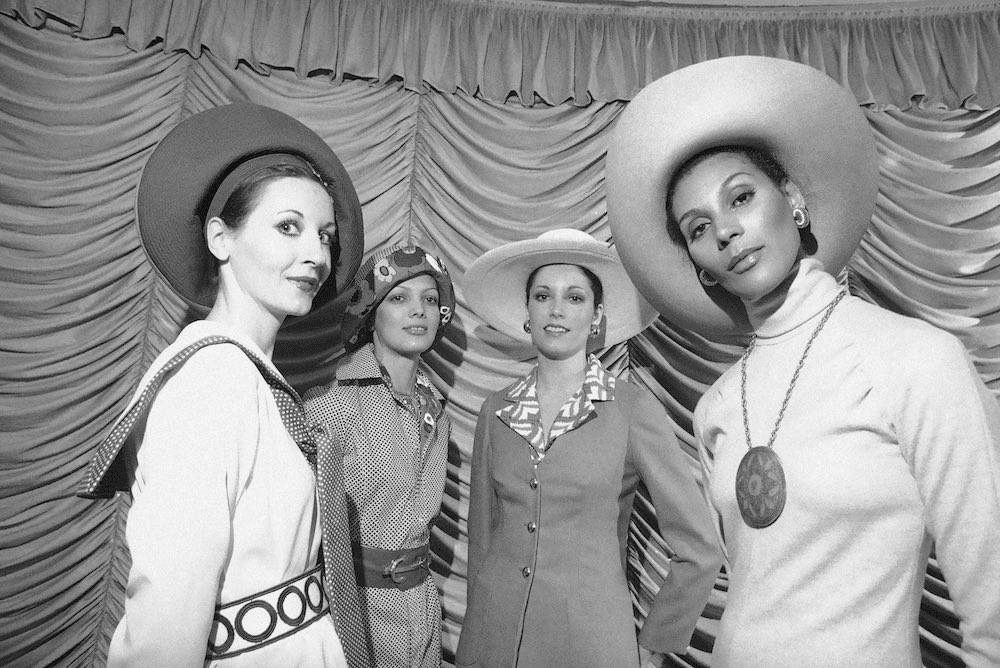
New York Fashion Week originated in 1943 during a difficult, crisis-ridden time. World War II was raging across Europe, and travel to Paris — at the time the undisputed fashion capital of the world — had become impossible. For decades, American designers had drawn inspiration from Parisian fashion, but the war created an unexpected void in the industry and a rare opportunity for the U.S. fashion scene to establish itself.
The historical roots of New York Fashion Week lead to a well-known 20th-century figure named Eleanor Lambert. She was a truly legendary figure in the worlds of advertising, public relations, and fashion. During a challenging time for the U.S., she sought to draw attention to American designers by organizing “New York Press Week.”
The event, which Lambert first organized in 1943, brought American designers together to showcase their collections to an audience of journalists. It was one of the first successfully organized attempts to elevate American fashion to an international level. It was a stunning success and laid the foundation for the development of a distinct American fashion identity.
The growth, development, and popularization of the American Fashion Week marked the beginning of the legendary event that everyone now knows as “New York Fashion Week.” This event saw particularly rapid growth after the end of World War II.
The Evolution of New York Fashion Week
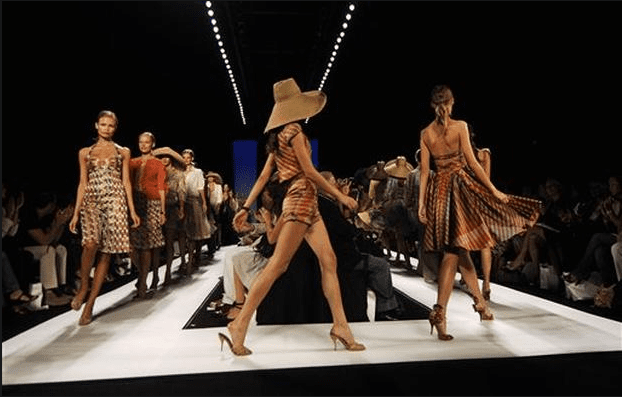
Year after year, New York Fashion Week gained popularity, and globally renowned magazines like “Vogue,” which had previously focused exclusively on French fashion and models, began to feature American fashion on their covers and pages.
Throughout the 20th century, the event was known as “New York Press Week.” Notably, by 1951, the 16th annual event was held in NYC, continuing the new tradition.
As the industry grew, so did the need for a more formalized structure. Thus, in 1962, Eleanor Lambert created the Council of Fashion Designers of America (CFDA). It played a key role in elevating the professionalism and prestige of American fashion. The CFDA was a unified body representing all designers. In addition, the CFDA helped take New York Fashion Week to a whole new level and make it an important platform for both established and emerging designers and couturiers from across the United States.
By the 1970s, “New York Fashion Week” had become a vital part of the global fashion calendar. However, the event as we know it today didn’t take shape overnight. It wasn’t until the 1990s that “New York Fashion Week” began to change its format to resemble the event we know today. Key changes occurred in 1993, when “New York Fashion Week” was officially launched under the leadership of CFDA President Fern Mallis.
Before 1993, designers held shows all over the city. They could take place in lofts, galleries, or restaurants, creating logistical problems for designers and models, as well as for the guests. Fern Mallis recognized this problem and was able to centralize the shows in one location: Bryant Park.
This innovative solution made New York Fashion Week more accessible and efficient for everyone. This new format allowed the world’s most influential fashion editors, buyers, celebrities, and models to gather in a single place.
Furthermore, these changes ushered in the era of “supermodels,” as the fashion shows themselves became self-organized cultural events. By the end of the 20th century, “New York Fashion Week” had become more than just a clothing exhibition—it was a true symbol and driving force of the U.S. fashion industry.
New York Fashion Week in the 21st Century
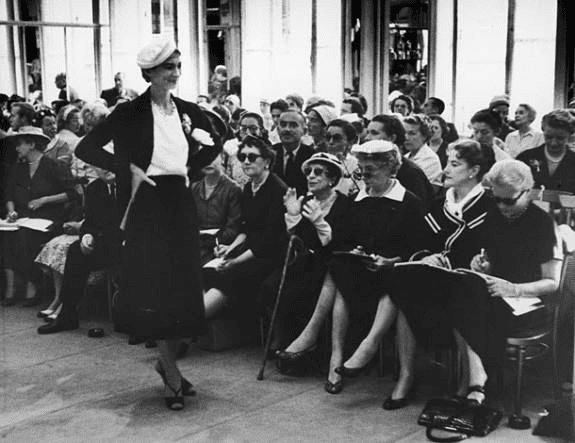
The 21st century brought about seismic changes to the event. New York Fashion Week was transformed into a massive international spectacle, with shows primarily focused on business and sales. Some couture shows also began to be held within the framework of New York Fashion Week. However, it is worth noting that each show was primarily profit-oriented.
Additionally, the local LGBTQ fashion designer community has had a significant impact on the New York fashion industry in the 21st century. In particular, they have made a significant contribution to the spread of fashion trends not only in New York but throughout the world. Drag celebrities have also greatly influenced the presentation of New York Fashion Week.
In the 21st century, New York Fashion Week is an event held annually in February and September. For many years, the main venue for this event has been Spring Studios at 50 Varick Street in Lower Manhattan. In addition to the fashion shows, a carnival held on the waterfront holds a special place within the New York Fashion Week schedule.