

The American actor, composer, and writer who fused contemporary music with classic theater to create the iconic hip-hop musical Hamilton. The idea was born on the subway after reading a book about Alexander Hamilton—initially, it was deemed crazy, but Hamilton went on to become one of the most successful theatrical projects of the 21st century. Read on newyorkski.info for the story behind the legendary production and Lin-Manuel Miranda’s other achievements.
Shaping the Creative Mind of a Future Genius
Lin-Manuel Miranda was born to Puerto Rican parents in Upper Manhattan—a world where salsa, politics, and psychology lived side-by-side. His father was an advisor to New York City mayors, and his mother was a clinical psychologist. Latin rhythms filled the house, and family trips to Puerto Rico shaped his sense of heritage. The name Lin-Manuel was no accident—it was given in honor of a poetic work about the Vietnam War, written by a Puerto Rican author.
When he was seven, he saw his first musical, Les Misérables. The impression was so profound that Lin realized theater was more than just entertainment; it was a way to see the world. In school, he acted in musicals, explored rap and R&B, and boldly began mixing genres.
Studying at Wesleyan University was a turning point. There, Miranda wrote the first version of the musical In the Heights—a story about Washington Heights, the neighborhood that mirrored his own childhood.
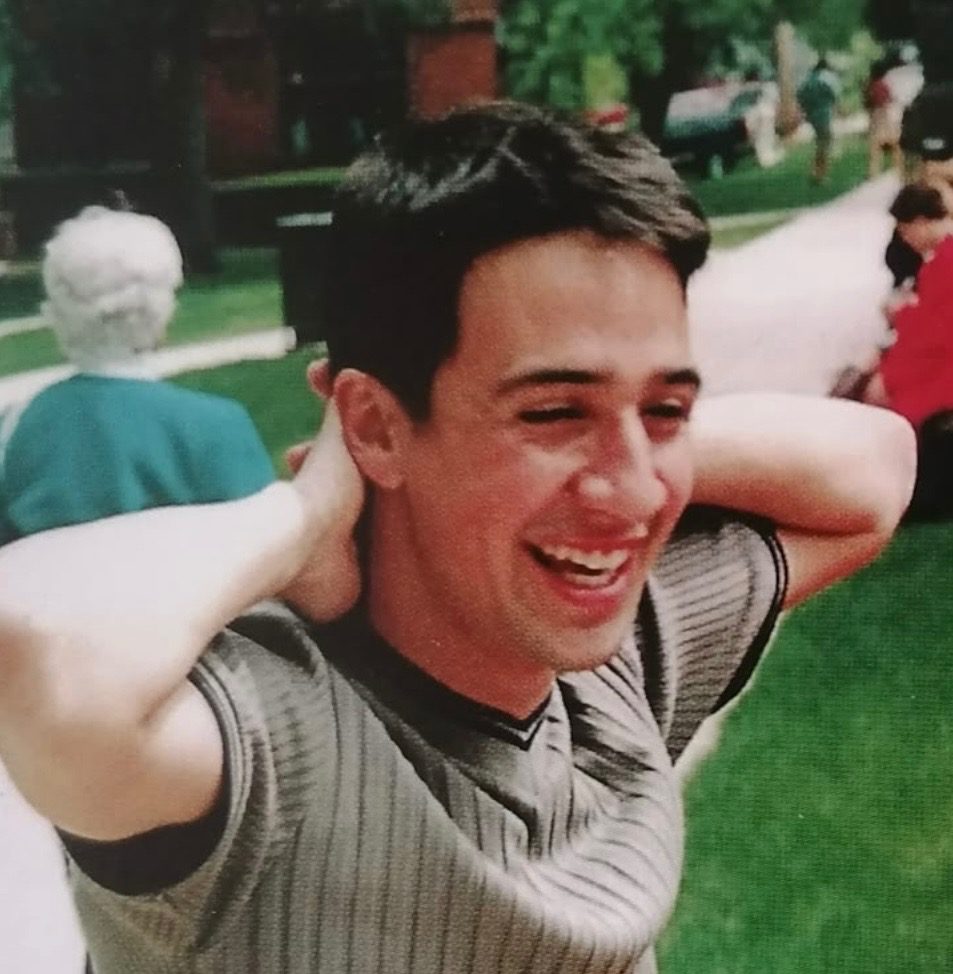
In high school, Lin worked in his father’s office but only ever did what truly captivated him. His father used to say:
“If he doesn’t care about the assignment, he simply won’t do it. And when he’s your son, instead of firing him, you just demote him.”
It was the same at school: brilliant grades in his favorite subjects, and sheer chaos everywhere else. But a different, creative rhythm was being born within that chaos.
His father later explained his son’s method of work:
“Even if all he’s doing is eating chocolate cake, let him eat it. Because that’s how the next song is marinating.”
It sounds funny, but it’s accurate, as creativity doesn’t follow a schedule. It arrives suddenly—in silence, in the kitchen at midnight—and Miranda knew this better than anyone.
Years of Searching and Explosive Growth
After graduating from college in 2002, Lin-Manuel Miranda didn’t immediately jump into the glamor of the big stage. His creative path began with small TV roles, bar gigs, microphones, and an endless search for his own rhythm. It was during this time that he joined the hip-hop improv group Freestyle Love Supreme, performing all over New York and later at international festivals, including the legendary Edinburgh Fringe.
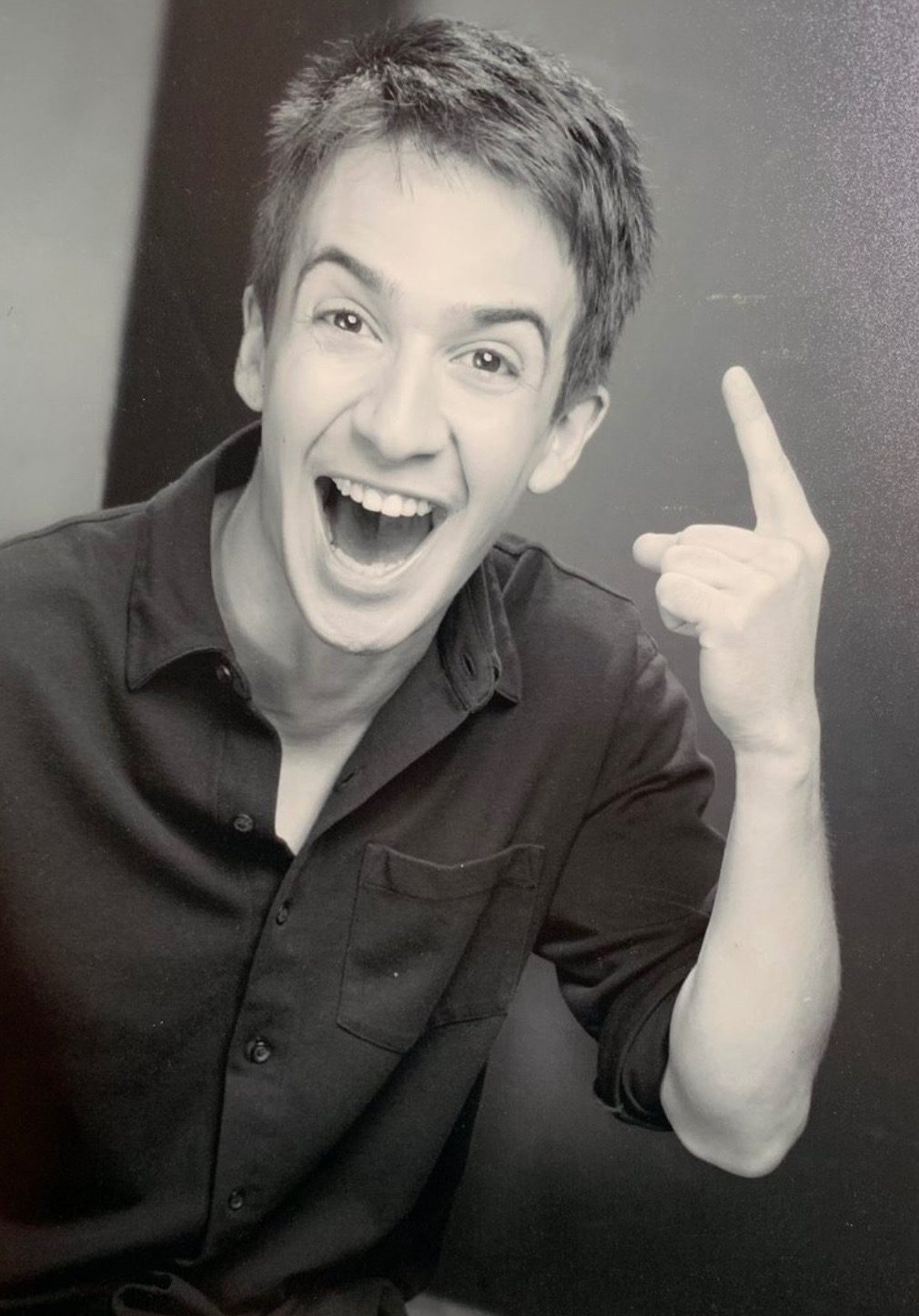
Parallel to the improv, Miranda continued developing musicals. With director Tommy Kail and playwright Quiara Alegría Hudes, he polished In the Heights. The musical blended hip-hop, salsa, and the drama of daily life.
The premiere took place Off-Broadway in 2007, with Miranda playing the lead role of Usnavi. The production immediately garnered critical attention, won two Drama Desk Awards, and opened the door to the country’s main theater stage.
In March 2008, the musical In the Heights exploded onto Broadway. It earned a Grammy Award for Best Musical Theater Album, 13 Tony nominations, and 4 wins, including Best Musical and Best Original Score. Miranda’s acting work earned him his own Tony nomination. This was the moment America heard his voice.
Lin performed in the show until 2009 and later returned to his role during the national tour. He played Usnavi one last time during the final weeks of the Broadway run in January 2011, after more than a thousand performances.
Miranda didn’t limit himself to one project. He translated Sondheim’s songs into Spanish for the 2009 revival of West Side Story, wrote music for a new version of Stephen Schwartz’s musical Working, performed at bar mitzvahs, taught English at his old high school, worked as a restaurant critic, and composed music for commercials.
In 2011, he co-created the musical Bring It On: The Musical, which went on a national tour and landed on Broadway, earning Tony nominations. Two years later, he won an Emmy for the song “Bigger!” written for the opening number of the 67th Tony Awards.
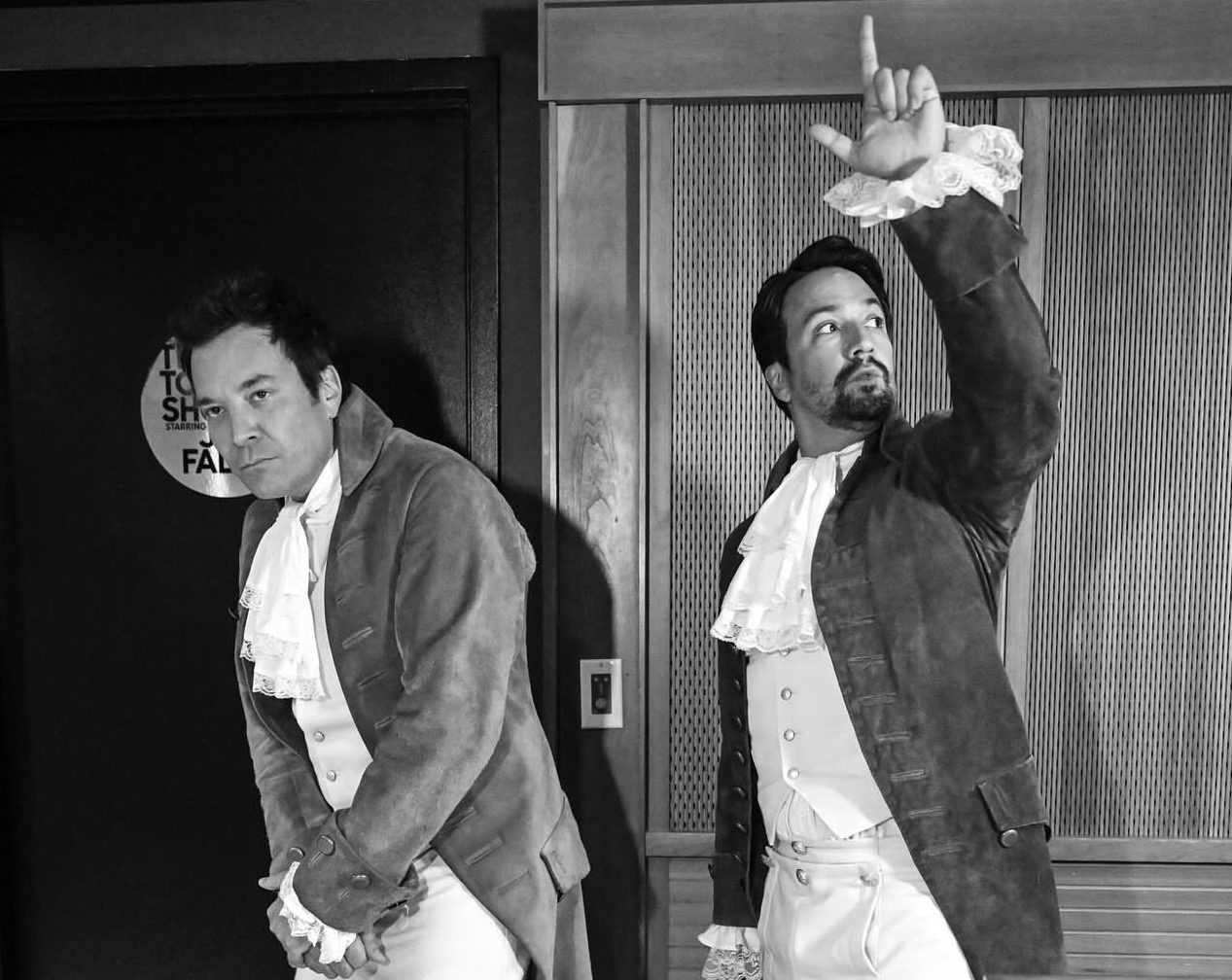
These years were a period of intense growth for Miranda—creative work on all fronts, where he tested every genre, every format, and every rhythm. It was the time he was honing his style, finding his voice, and preparing to reinvent the American musical once again.
The Birth of the Hamilton Phenomenon
When Lin-Manuel Miranda casually picked up Ron Chernow’s biography of Alexander Hamilton, he had no idea it would become one of the most important decisions of his life. Miranda compares Hamilton to the immigrants he knows: people who work twice as hard to get ahead.
“That’s just the deal. That’s the cost of entry into our country,” he explains.
Lin saw Hamilton as a guy who never stopped moving, and that relentless ambition reminded him of rappers who rise against all odds. The idea immediately sparked: turn this success story into a musical driven by the rhythm of hip-hop.
First, Lin wrote a single song, “My Shot.” He laughs when he recalls that the future hit’s first public performance was at the White House. Before that, the song had only been heard in his shower. But when the White House called, saying no was impossible. The performance was captured on video, which later went viral and literally spread Miranda’s name among teachers and schools long before the musical ever reached Broadway.
But the real work began after director Tommy Kail became his partner. After the first Off-Broadway previews, the two would sit down and make lists of twenty or more edits: rewriting scenes, cutting songs, adding new rhymes.
“We just knocked them off one by one,” Lin recalls.
Years of tireless work followed—six years non-stop, dozens of script variations, hundreds of hours of musical experimentation.
The casting process was also unique. When critics talked about the all-BIPOC cast, Miranda genuinely didn’t understand why that should cause surprise. He simply heard modern hip-hop on stage—and therefore saw people who live within that culture naturally in the roles.
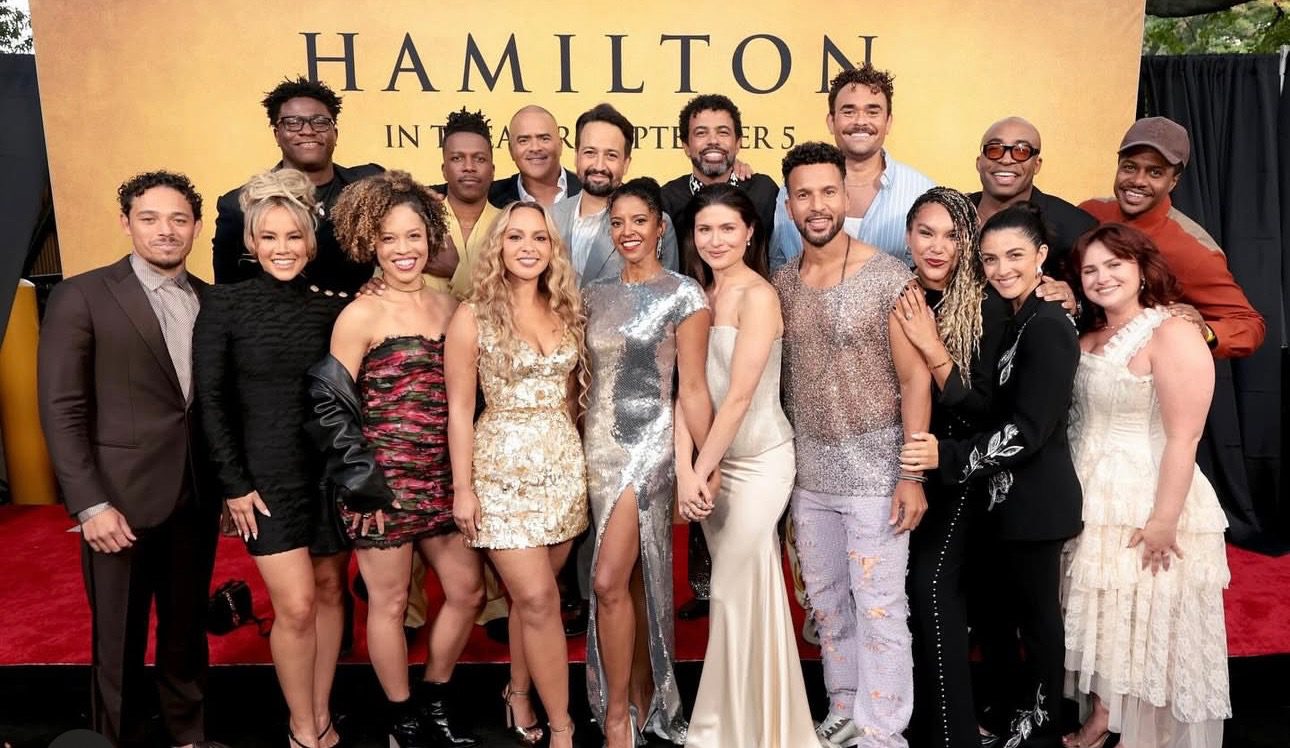
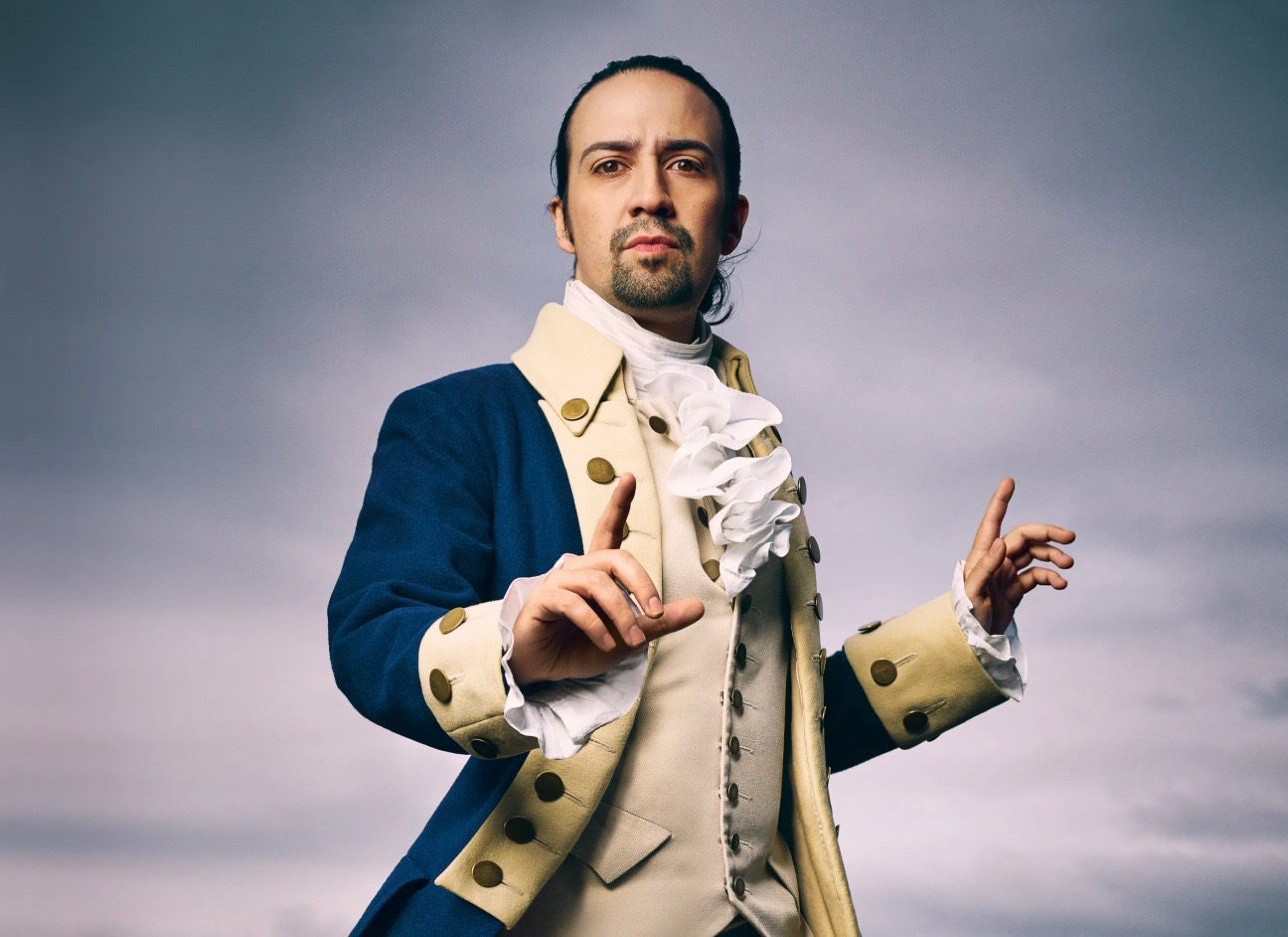
In 2015, Hamilton exploded at the New York Public Theater, then swiftly moved to Broadway. The musical’s success was staggering: a Pulitzer Prize for Drama, 16 Tony nominations (with 11 wins), and a Grammy for Best Musical Theater Album. Hundreds of thousands of audience members, sold out months in advance.
In July 2016, Lin took his final bow as Hamilton. But his story didn’t end there. The production conquered the West End, earning seven Olivier Awards, and in 2019, Miranda reprised the role in Puerto Rico, dedicating the performances to rebuilding arts institutions after Hurricane Maria.
The filmed Broadway production of Hamilton was released on Disney+ in 2020 and captivated the world once again, this time from screens everywhere.
Beyond Broadway
Following the triumph of Hamilton, Miranda continued to be a prolific creator. He worked on the Broadway musical New York, New York and created a concept album for the adaptation of the novel The Warriors, completed in 2024.
In film, Miranda emerged as both a director and an actor: he directed the feature film Tick, Tick… Boom!, played the lamplighter Jack in Mary Poppins Returns, and portrayed Lee Scoresby in the series His Dark Materials. He also produced projects like the series Fosse/Verdon.
His collaboration with Disney became a major focus: Miranda wrote music for Moana (the song “How Far I’ll Go” earned Oscar and Grammy nominations), composed songs for Encanto, and worked on the remakes of The Little Mermaid and the prequel Mufasa: The Lion King, among others.
He also contributed to major franchises, writing music for Star Wars: The Force Awakens and The Rise of Skywalker, sometimes appearing in cameos. On television, he acted and created music for House, M.D., Brooklyn Nine-Nine, DuckTales, and participated in satirical projects like the John Oliver Show.
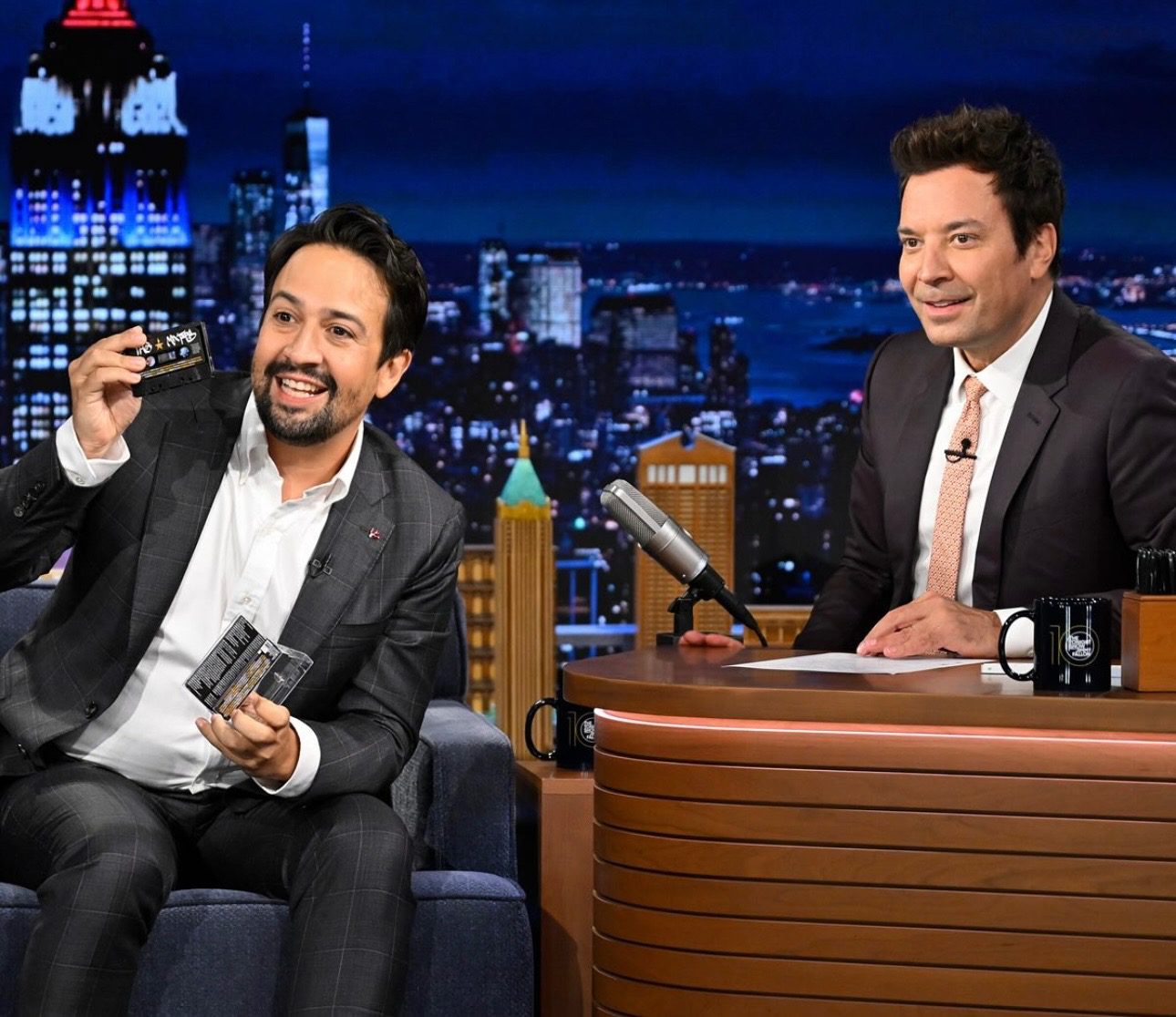
However, Lin-Manuel never forgets about activism. He is a steadfast supporter of Puerto Rico, especially following Hurricane Maria, organizing charity performances and fundraising efforts, and supporting cultural and educational initiatives. He helped restore the University of Puerto Rico Theater and funded local arts projects, utilizing his influence and resources.
Lin-Manuel continues to be a person who not only creates art but changes the world around him, combining talent, activism, and cultural dedication.