

The New York Film Festival is a significant event in New York’s cultural life. It’s a film festival that showcases the world’s best films and premieres some of the most anticipated cinematic works of the year. Read more at newyorkski.
The Origins of The New York Film Festival
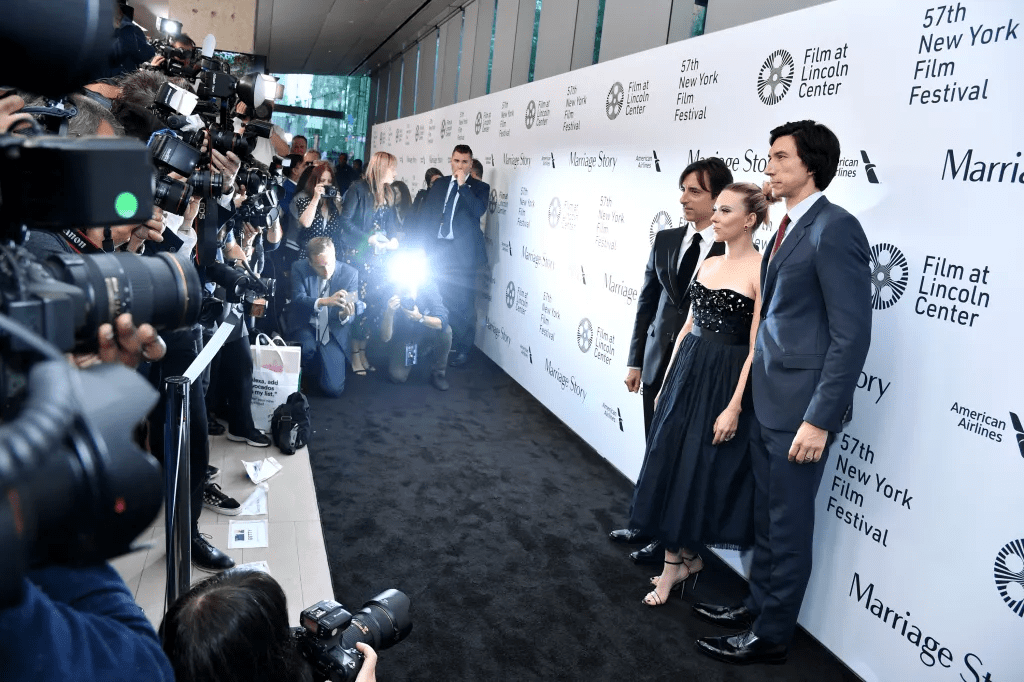
Fall in New York always has a special feeling, and that’s because it’s when one of the most highly anticipated festivals of the year, The New York Film Festival, takes place. Since 1963, this festival has become a place where people can pause time and immerse themselves in the magic of cinema, watching works from directors all over the world. Since the mid-20th century, The New York Film Festival has been bringing people together through the great art of film.
The idea for the festival came from two New Yorkers, film critics Richard Roud and Amos Vogel, who were no strangers to innovative ideas in cinema. While New York was a thriving metropolis, there was a huge gap in its film industry in the 1960s. At that time, cinema was already considered a true art form in Europe, but New York lacked a venue to showcase the best works by international directors. For years, European festivals like Venice and Cannes had been premiering masterpieces for audiences, and despite its cultural importance, New York was missing something similar.
So, in 1963, Roud and Vogel decided to create a unique platform in New York where cinema could be seen as a legitimate art form. The newly opened Lincoln Center for the Performing Arts proved to be the perfect venue for the film festival.
That same year, the first city film festival was held. Since then, the event has grown into one of the most prestigious film festivals in the U.S. The inaugural festival featured films by such directors as Robert Bresson, Yasujiro Ozu, and Roman Polanski.
The New York Film Festival was founded as a non-competitive festival, focusing on showcasing 20-30 feature films, with additional sections for experimental cinema and new screenings. Moreover, the film festival became a space for directors to share their boldest ideas, and for audiences to dive into stories that made them think, smile, or shed a tear.
Key Features of The New York Film Festival
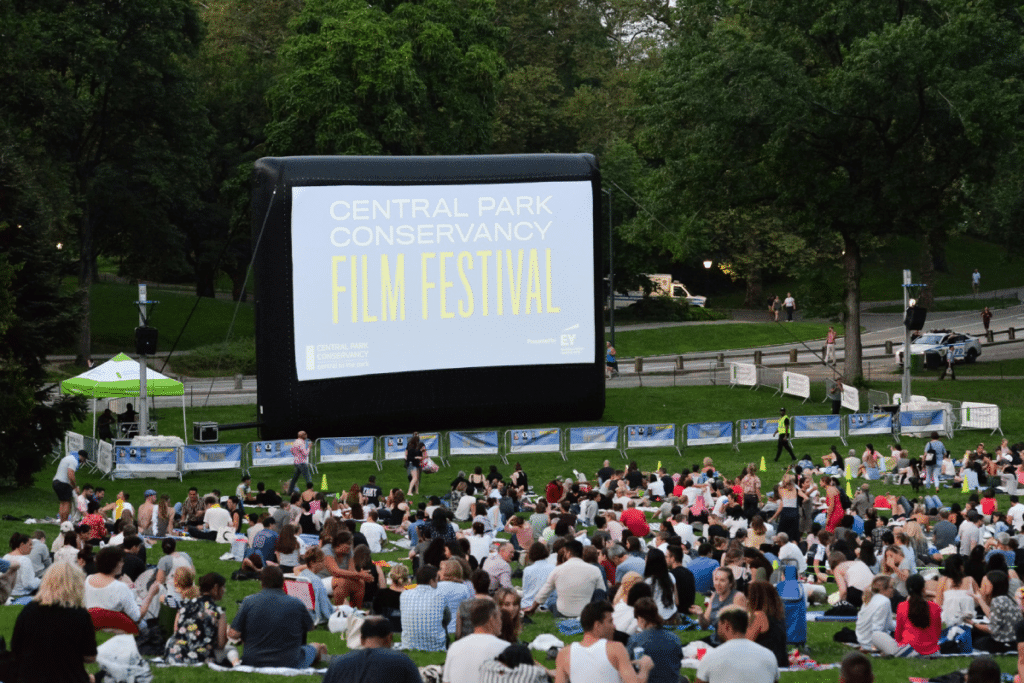
For many years, one of the main features of The New York Film Festival has been its meticulous selection process. Unlike many other festivals that screen hundreds of films, the organizers of this festival prioritize quality over quantity.
Special attention is paid to the artistic vision and originality of the film’s plot. Each year, the main program features around 25-30 feature films, along with shorts and special retrospectives.
The film selection is handled by a special committee of film critics, directors, and scholars. Their main task is to choose the boldest, most innovative, and socially significant works. Since its inception, the festival has helped introduce the world to the names of many great directors.
Another distinguishing feature of The New York Film Festival is its lack of awards. While most similar festivals have nominations for best film or direction, The New York Film Festival avoids competition. The only thing that matters is that a film has made it into the program—and that, in itself, is a recognition of its artistic value. This approach allows the festival to remain independent of commercial pressure, preserving the purity of its mission.
A Venue for Major Premieres
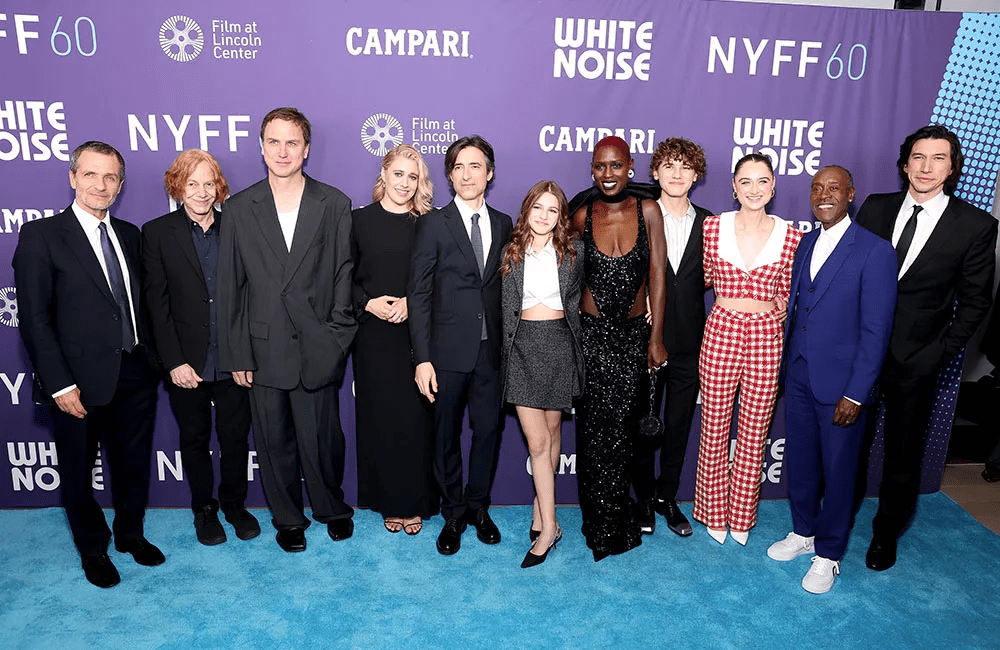
Over its more than half-century existence, The New York Film Festival has become a place where premieres turn into global events. Time and again, films that first premiered at this festival have gone on to become culturally and historically significant.
In the 2020s, films that debuted at The New York Film Festival, such as Joel Coen’s “The Tragedy of Macbeth,” Noah Baumbach’s “White Noise,” Todd Haynes’ “May December,” and RaMell Ross’s “The Michele Boys,” became major highlights of those years.
From its earliest years to the 21st century, The New York Film Festival has always focused on auteur cinema, but it has also strived to support the work of those not always featured on the big screen. The festival’s program reflects the richness of world cinema—you can see films from various continents and countries, with stories told from the most unexpected perspectives.
In the 2020s, special attention is being paid to films directed by women and creators from minority communities.
For decades, The New York Film Festival has been an essential part of the city’s cultural life. It has introduced American audiences to the world’s best directors while supporting new and bold voices in cinema.
Looking to the future, the festival maintains its foundational principles: a celebration of cinema as an art form, artistic integrity, and a belief in the power of film to inspire and unite.
- https://www.filmlinc.org/film-at-lincoln-center-timeline/1960s/
- https://www.britannica.com/art/New-York-Film-Festival
- https://www.filmlinc.org/about-us/new-york-film-festival/
- https://filmfreeway.com/NYFF
- https://evergreenreview.com/read/review-the-46th-new-york-film-festival/
- https://www.filmcomment.com/article/the-first-new-york-film-festival/
- https://www.artforum.com/features/the-new-york-film-festival-a-cultural-landmark-209316/