

The Jewish community (JC) of New York has a rich and complex history that spans several centuries. It all began with the emergence of a small enclave of Dutch Sephardic Jews in the 1600s. Since then, the JC has developed and expanded so much that in the 21st century, New York is one of the largest Jewish centers in the world. Over the centuries, the JC of New York (JCNY) has undergone significant changes. Read more at newyorkski.info.
The Origins of the JCNY
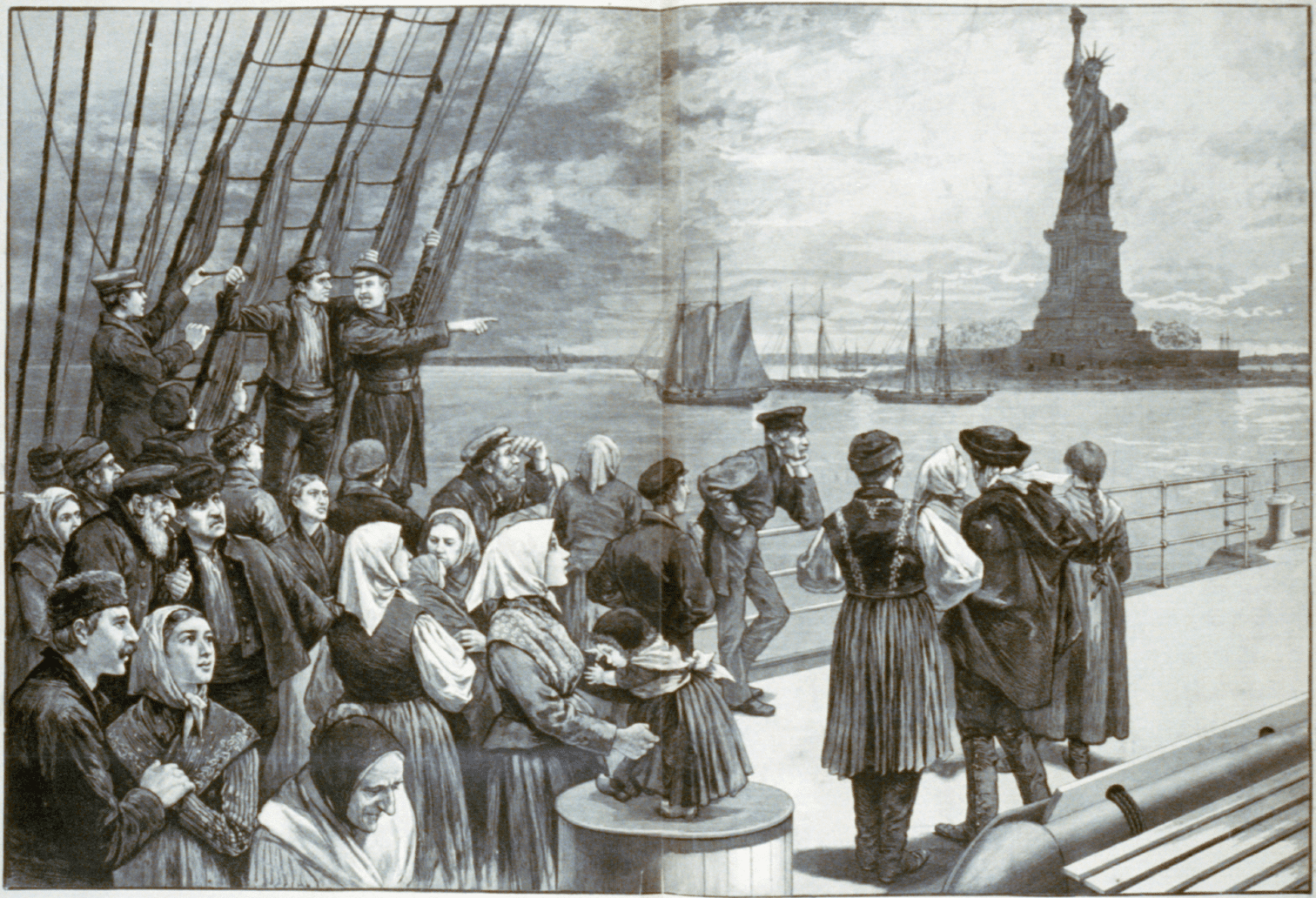
The first Jews arrived in New York in the mid-17th century, during the Dutch colonial period. These early settlers were mostly Sephardic Jews who fled the Inquisition from European countries. In New York, they founded a small JC in lower Manhattan. In the 17th century, the first synagogue, Shearith Israel, was also founded in New York. Back then, it was a real center of Jewish life in the city.
In the following decades, the JCNY grew. It developed slowly but surely. While in the mid-17th century there were more than 20 Jews in New York, in the mid-19th century several thousand Jews lived in the city. The JCNY during the 17th and 19th centuries was mainly formed by migrants. In the 19th century, Jews migrated from the Russian Empire after the assassination of Alexander II, the introduction of anti-Jewish laws and anti-Jewish pogroms. There was also a significant influx of Jewish migrants from Germany. Jews left their homeland after the Napoleonic Wars.
The late 19th and early 20th centuries were a period of rapid growth and change for the JCNY. Large numbers of Eastern European Jews fled poverty and persecution. During the First and Second World Wars, many new Jewish migrants arrived in New York City (NYC). By 1920, over a million Jews lived in the city. This made NYC the city with the largest JC in the world.
The development of Jewish culture in New York
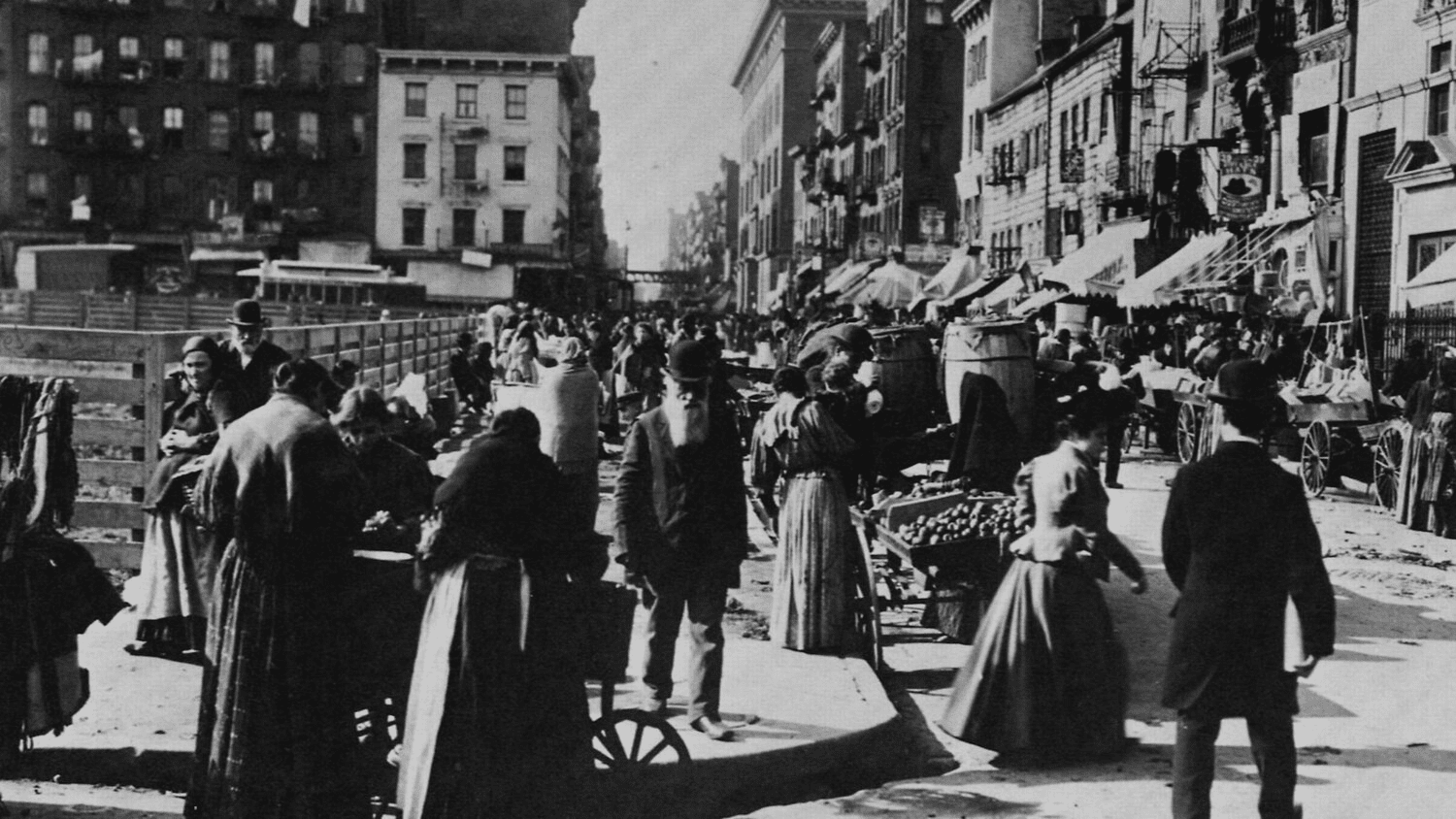
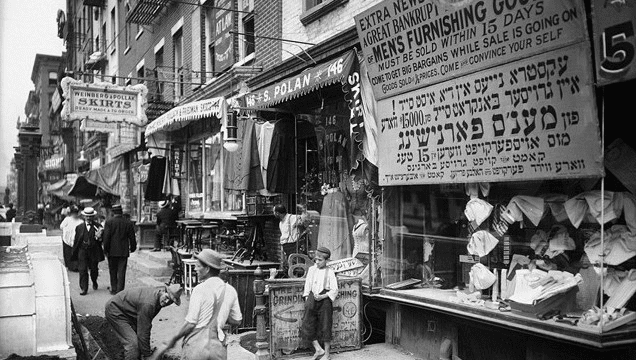
Jewish culture in New York has been shaped for centuries. It was the influx of migrants that influenced the city and the JC itself. The Lower East Side became the epicenter of Jewish life in New York. Hundreds of synagogues, Jewish theaters and other Jewish cultural institutions were built and opened here.
In the middle of the 20th century, the JCNY underwent significant changes. Many Jews began to move from the city to the suburbs. The number of parishioners in many old synagogues began to decline. New synagogues began to appear in the suburbs to serve the growing JC. The largest JC in NYC was recorded in the mid-20th century. At that time, the JC numbered more than two million people.
The development of the JCNY began with the construction and opening of a small synagogue in Manhattan. Over the period of the 17th-20th centuries, many such synagogues appeared in New York, as well as educational institutions, schools, kindergartens, nursing homes and other institutions that contributed to the development of Jewish culture in every way possible.
In the 21st century, the JCNY remains one of the largest in the world. Judaism is the second largest religion practiced in the city. As of the 2020s, more than 1.6 million Jews live in NYC. The majority of the JCNY lives in Brooklyn. Such a huge number of Jews is evidence that NYC has the largest JC in the world. The JCNY is much larger than the JC in Tel Aviv or Jerusalem, even if they are combined. Such a huge JC has formed over many centuries due to the flow of Jewish migrants from different parts of the world. Nowadays, the JCNY is a vital part of the city and of Jewish life around the world.