

The Harlem Book Fair (HBF) is an annual literary festival in New York City dedicated to African American literature, culture, and history. It stands as the nation’s largest event for African American authors and readers, typically held in August along 125th Street. The festival features author readings, panel discussions, book vendors, children’s programs, workshops, and cultural performances. HBF is renowned as a platform for championing Black authors, debating social and cultural issues, and attracting a massive global audience. Read on newyorkski.info for more details about this landmark cultural event.
The Street That Reads: Literary Harlem
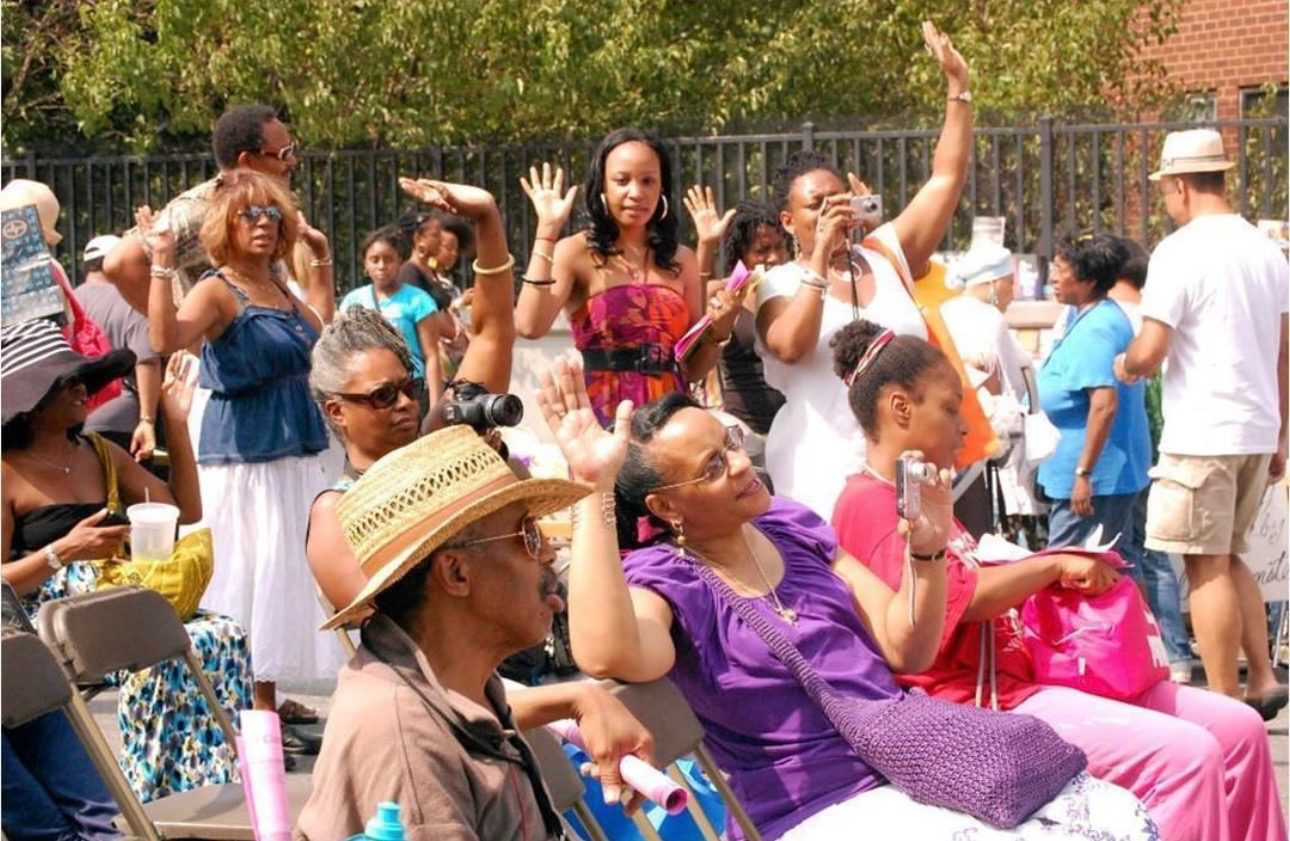
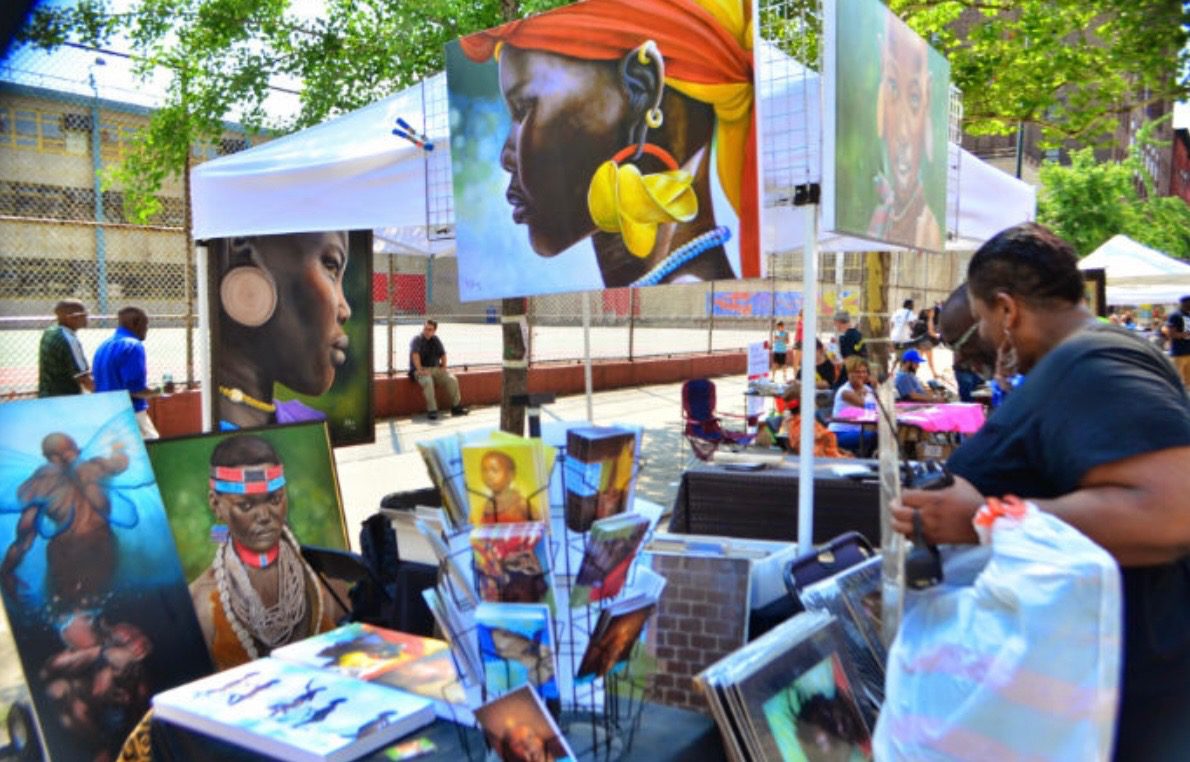
The Harlem Book Fair has long been more than just a festival. It is a living stage for Black American literature—a space where the written word steps off the bookshelf and onto the streets of a neighborhood that has shaped New York’s cultural voice for centuries. Every year, Harlem transforms into a vast open-air literary hub with book stalls, lively debates, author readings, and workshops that draw thousands of readers and writers.
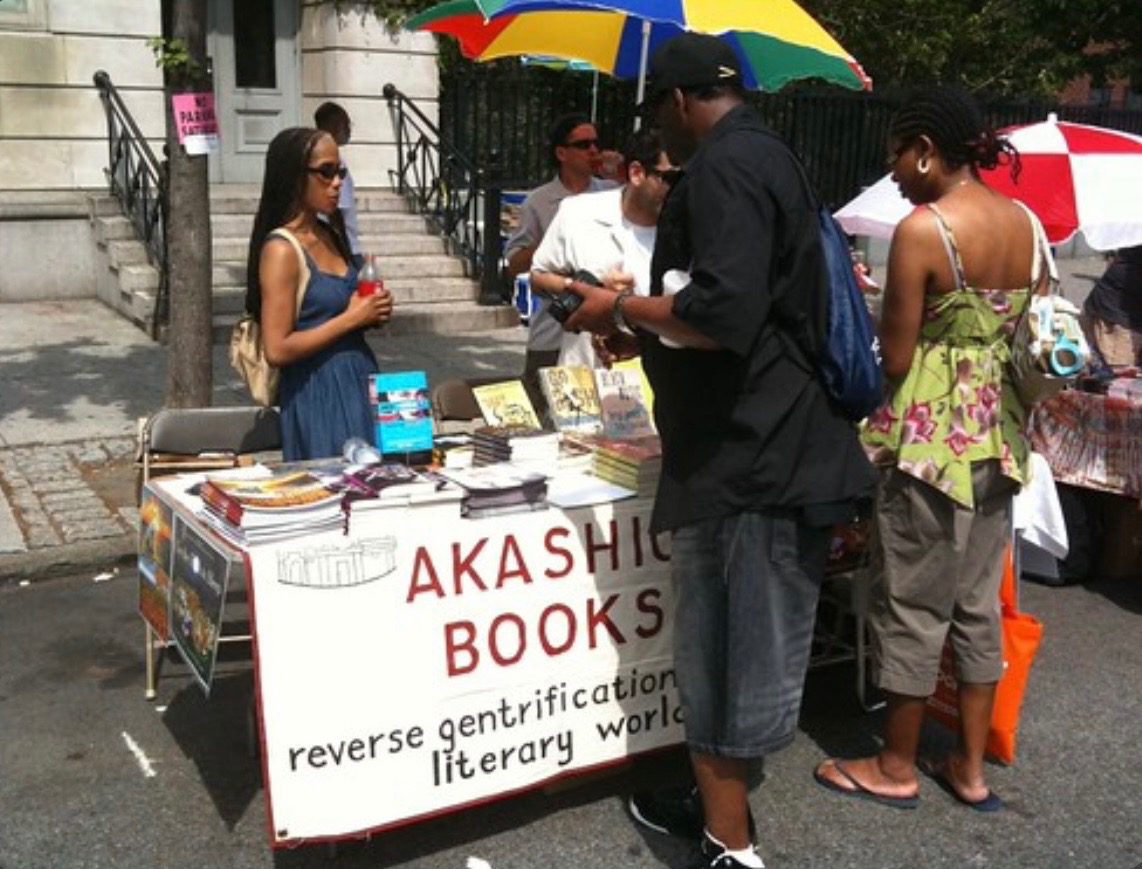
The fair was founded by publisher and literary activist Max Rodriguez, the creator of QBR: The Black Book Review, the first national publication dedicated to books about the African experience. In 1998, he envisioned an event to fill a void and provide visibility to authors whose voices often remained outside the mainstream. It began humbly near the Adam Clayton Powell Jr. State Office Building on 125th Street, but over time, it expanded across several blocks to become one of the country’s premier literary events.
The Harlem Book Fair has hosted Cornel West, Sonia Sanchez, Amiri Baraka, Walter Mosley, Terry McMillan, and many other authors who have defined and continue to define Black literary thought. The event has been broadcast nationally, and its popularity has pushed the format beyond New York, inspiring similar initiatives in other cities and opening doors for authors from the diaspora, particularly the Caribbean.
But the fair’s true power lies in its connection to the street. Books here aren’t separated from life: they are sold next to coffee shops, discussed in the open air, and passed from hand to hand. Rodriguez himself has emphasized that Harlem is not just a backdrop, but a full-fledged character in Black history: complex, contradictory, romantic, and tough all at once. That is why the fair represents the full spectrum of Black literature—from classics to street lit, from poetry to mass-market genres that shape a new generation of readers.
The Harlem Book Fair has become a place where reading turns into an event, and literature becomes a shared experience. Time and again, it proves that in this neighborhood, books aren’t just read—they are lived.
Children’s Literature as a Space of Power
In Harlem, literature for children is more than just stories for the young. It is a space of recognition, memory, and power, where children of the African diaspora find characters who look like them and feel that their experiences matter. When a child sees themselves on the pages of a book, their confidence grows, and a sense of identity and pride in their roots takes shape. At the same time, these stories dismantle stereotypes by showcasing the multifaceted nature of the Black experience—diverse, vibrant, and real.
Many children’s books gently and accessibly introduce readers to the history of the African diaspora—from difficult chapters of the past to moments of struggle and triumph. Through age-appropriate narratives, children learn about key events and figures, understanding the resilience and strength of their communities.
Culture plays an equally vital role: traditions, holidays, music, dance, and family customs. Stories about Kwanzaa and family rituals open children’s eyes to the richness of culture on a global scale—from Africa to the Caribbean, Europe, and the Americas. This fosters a broader worldview, showing that the African diaspora does not have a single face or a single story.
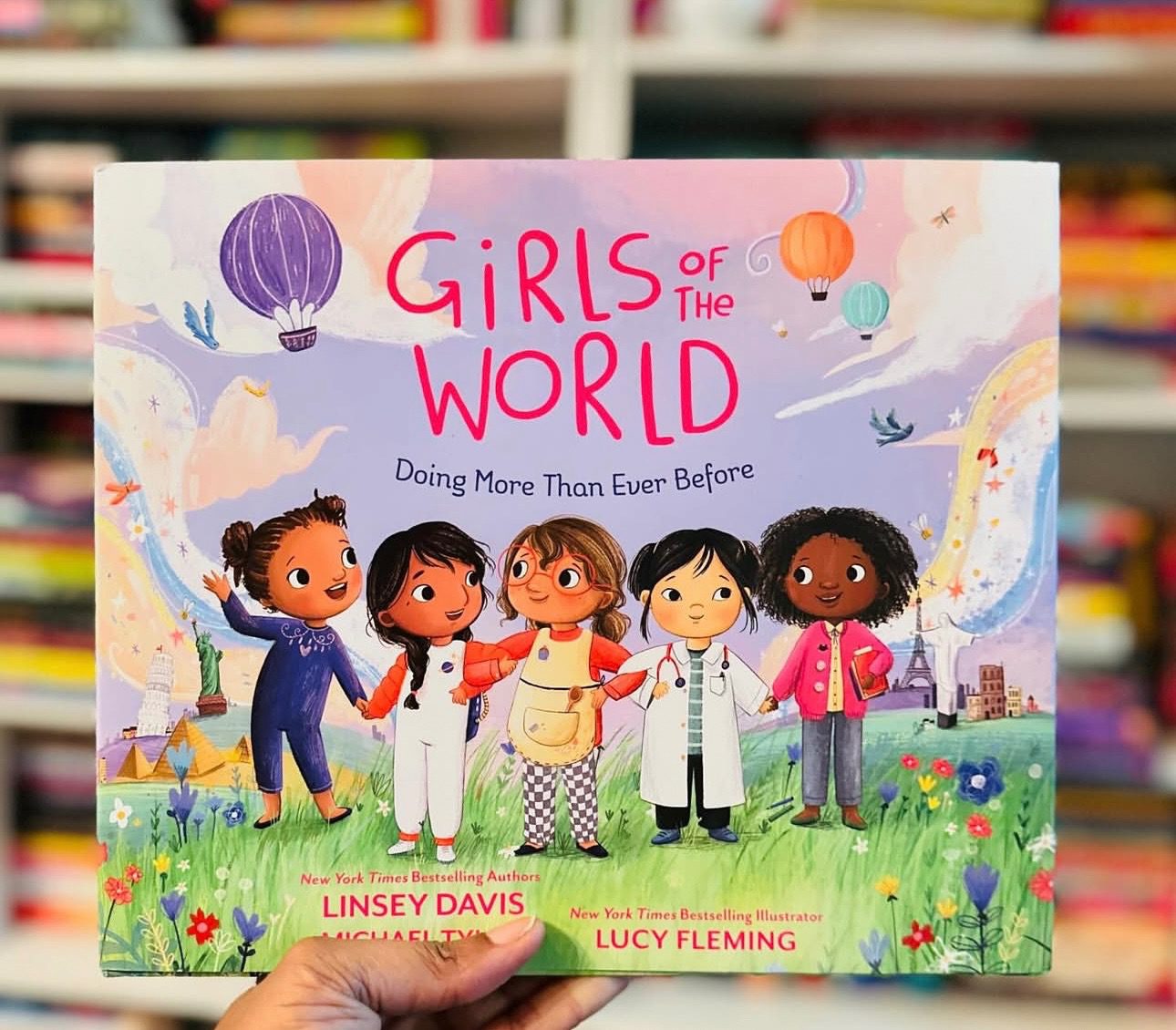
Through themes of self-acceptance, belonging, and self-discovery, children’s literature helps young readers make sense of their own identity. It teaches empathy, encourages questioning prejudice, and highlights the commonalities between people of different backgrounds. Some books go even further, touching on contemporary social issues and inspiring Black children to think about justice, equality, and their own role in effecting change.
The Return of the Harlem Book Fair: A Literary Revolution
The Harlem Book Fair returned after a COVID-induced hiatus in 2024, marking its 26th anniversary on September 7th in Upper Manhattan. Founder and publisher Max Rodriguez called the event a rebirth of literary life in the historically Black neighborhood and a revolution of sorts.
“Language, words, writing, storytelling is all dear and near to us. It’s how we survived and thrived under any adverse condition,” said Rodriguez.
After 25 years at the helm, Rodriguez had planned to wind down the fair but found a path forward through a partnership with publicist Yona Deshommes.
“This allows me to build and expand my vision of the book fair. That is why we are saying now that one of our taglines is ‘global,'” Rodriguez explained.
In 2024, the fair featured 14 panels and about 100 exhibitors, as well as a collaboration with the Caribbean Cultural Center African Diaspora Institute (CCCADI). A special exhibition, Lakay se Lakay (“Home is Home”), showcased Haitian authors. It included panels featuring Mildred Antenor, Edwidge Danticat, Francesca Momplaisir, and Ibi Zoboi.
Veterans of the Harlem Book Fair say that this time, the fair felt different. These aren’t just standard book discussions—they are conversations that force people to think, rethink important topics, and feel an emotional connection.
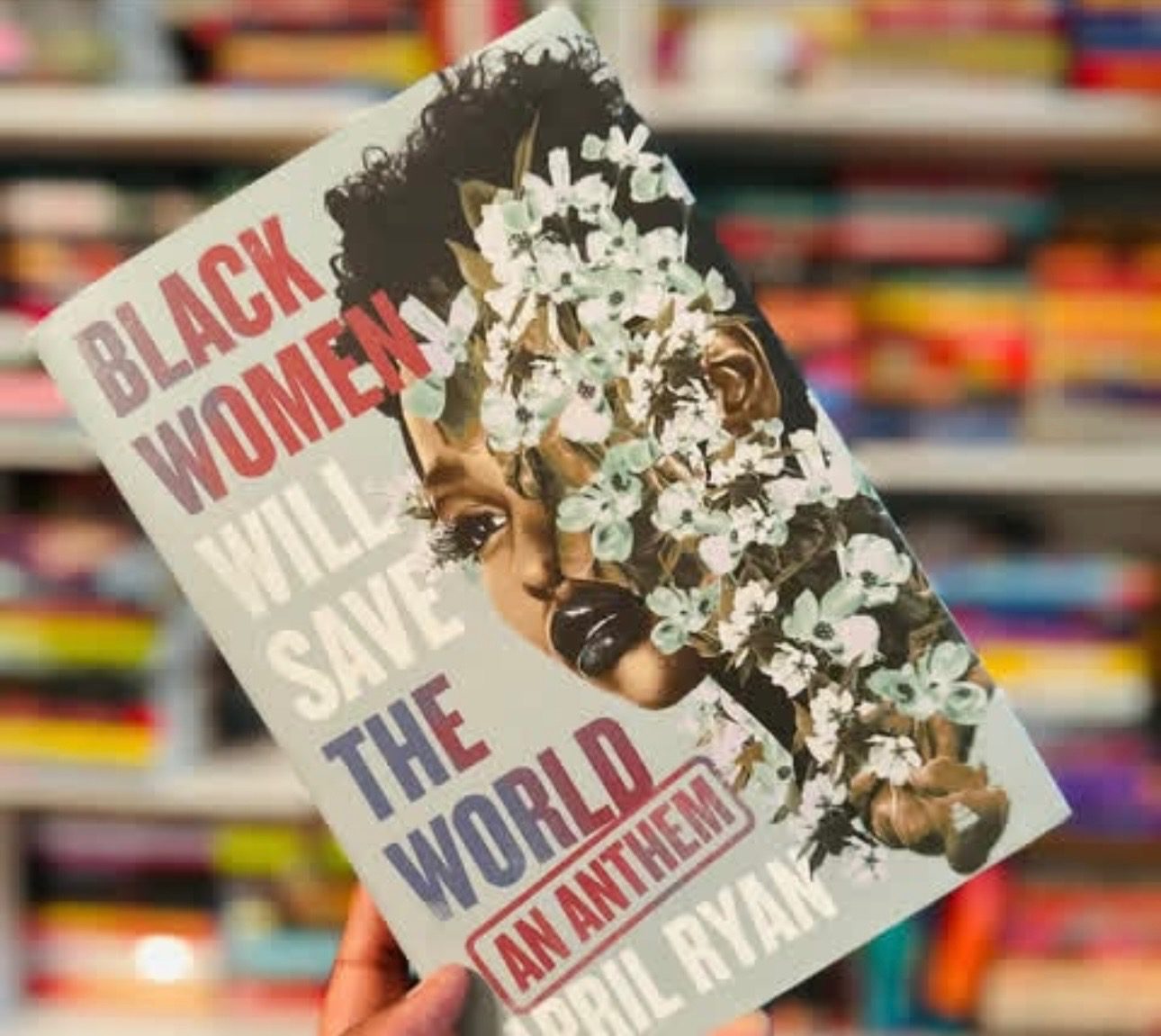
The fair also specifically supports authors who fall outside the big, traditional publishing business. While famous writers like Maya Angelou, Sonia Sanchez, and Walter Mosley have graced its stages, organizers emphasize that the fair must remain open to new, lesser-known authors. It is a place where those previously unheard or overlooked can find their audience. According to Rodriguez, the Harlem Book Fair is the true home for such voices.
The fair is supported by and partners with various publishers and organizations, including Amistad, HarperCollins, NYU Press, Legacy Lit, and Black Women’s Lives Matter. Supporting publishers who work with Black themes and authors is critical. Yona Deshommes recalled the 2008 financial crisis, when many publishing houses were forced to close. The first divisions to be shuttered were those representing Black authors.
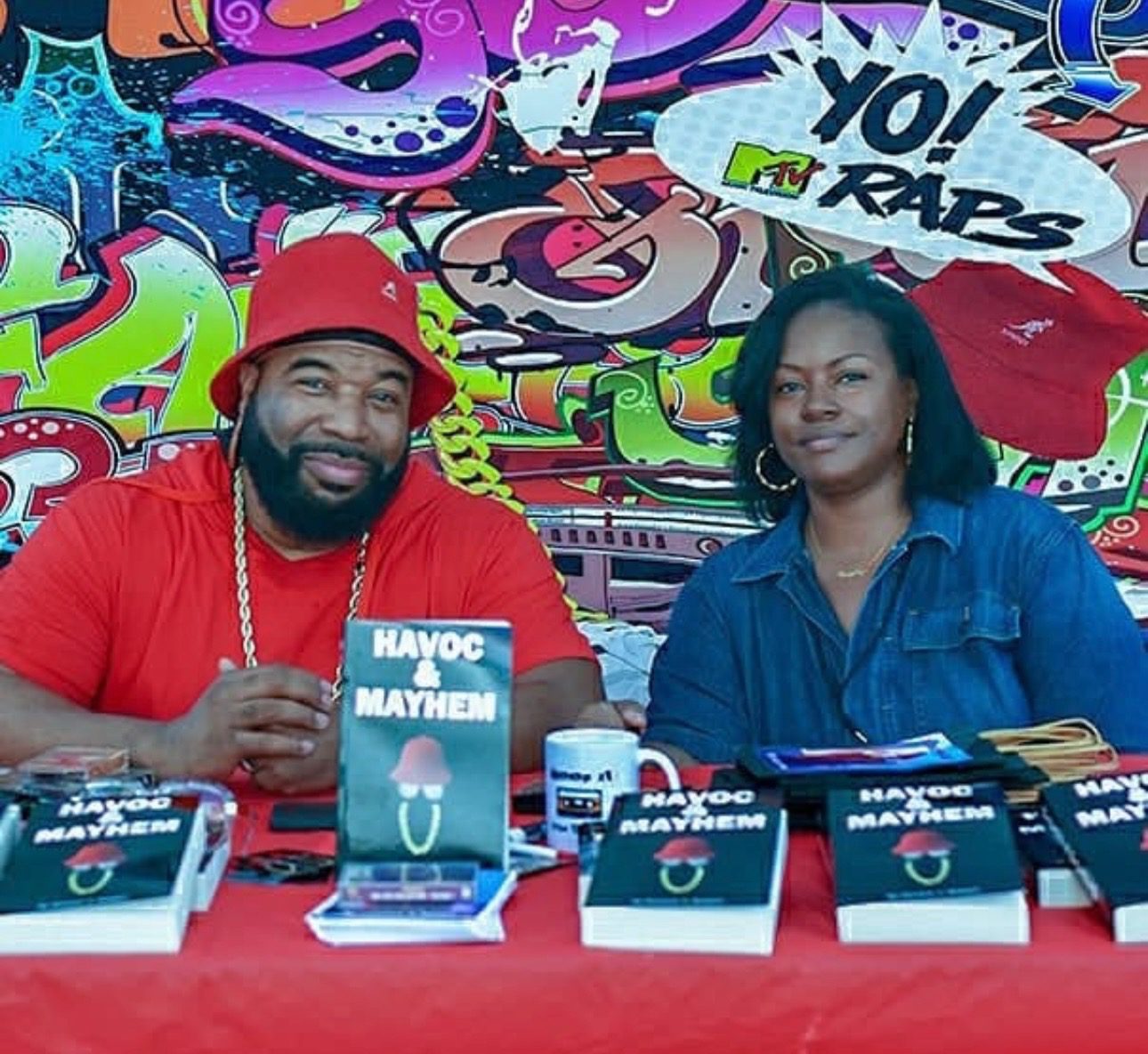
Rodriguez stressed that the organizers aren’t just holding another fair; they are looking to the future, planning the event’s development for the next 25 years so that it continues to support diverse voices and vital conversations.
Centennial of the Harlem Renaissance and Modern Literary Legacy
The 2024 book fair also coincided with the centennial of the Harlem Renaissance, which brought global acclaim to writers like Langston Hughes, Zora Neale Hurston, and Arturo Alfonso Schomburg. The neighborhood survived the racial unrest of the 1960s and the era of gentrification beginning in the 1990s, but its literary legacy remains alive.
“Acknowledging the history of spaces is also what continues the relevance of Harlem for cultural producers as we move forward,” says scholar Vanessa Valdés.
Many old institutions have adapted, while new spaces like Revolution Books, Sister’s Uptown Bookstore, and Word Up Community Bookshop sustain the literary culture by hosting reading groups and writers. The Studio Museum, founded in 1968, is reopening after an eight-year renovation, and local libraries offer educational programs about the Harlem Renaissance for children. For the fair and the modern Harlem community, this means continuing the tradition of revolutionary literature.
“Harlem and the community deserve an event like this, given its history… Why not continue that legacy of bringing literature and culture to the community of Harlem?” adds Deshommes.
The Harlem Book Fair not only celebrates the past but builds the future of literary culture. By uniting classic authors, new voices, and a global audience, it remains a place where literature truly becomes revolutionary.