

The Brooklyn Book Festival (BKBF) is an annual literary event in New York City that brings together author meet-and-greets, book signings, public panel discussions, book launches, and a massive literary marketplace. It is the city’s largest free book event. Read on newyorkski.info for more details about its history and unique features.
Brooklyn’s Voice Between the Pages
The Brooklyn Book Festival was born in 2005 as a bold, almost experimental idea: to create a major, free literary event open to everyone, regardless of their neighborhood, background, or literary tastes. Its founders—Brooklyn Borough President Marty Markowitz, along with co-producers Liz Koch and Carolyn Greer—had one goal: to give a stage to the “Voice of Brooklyn,” a borough where writers have always been more numerous than it seems.
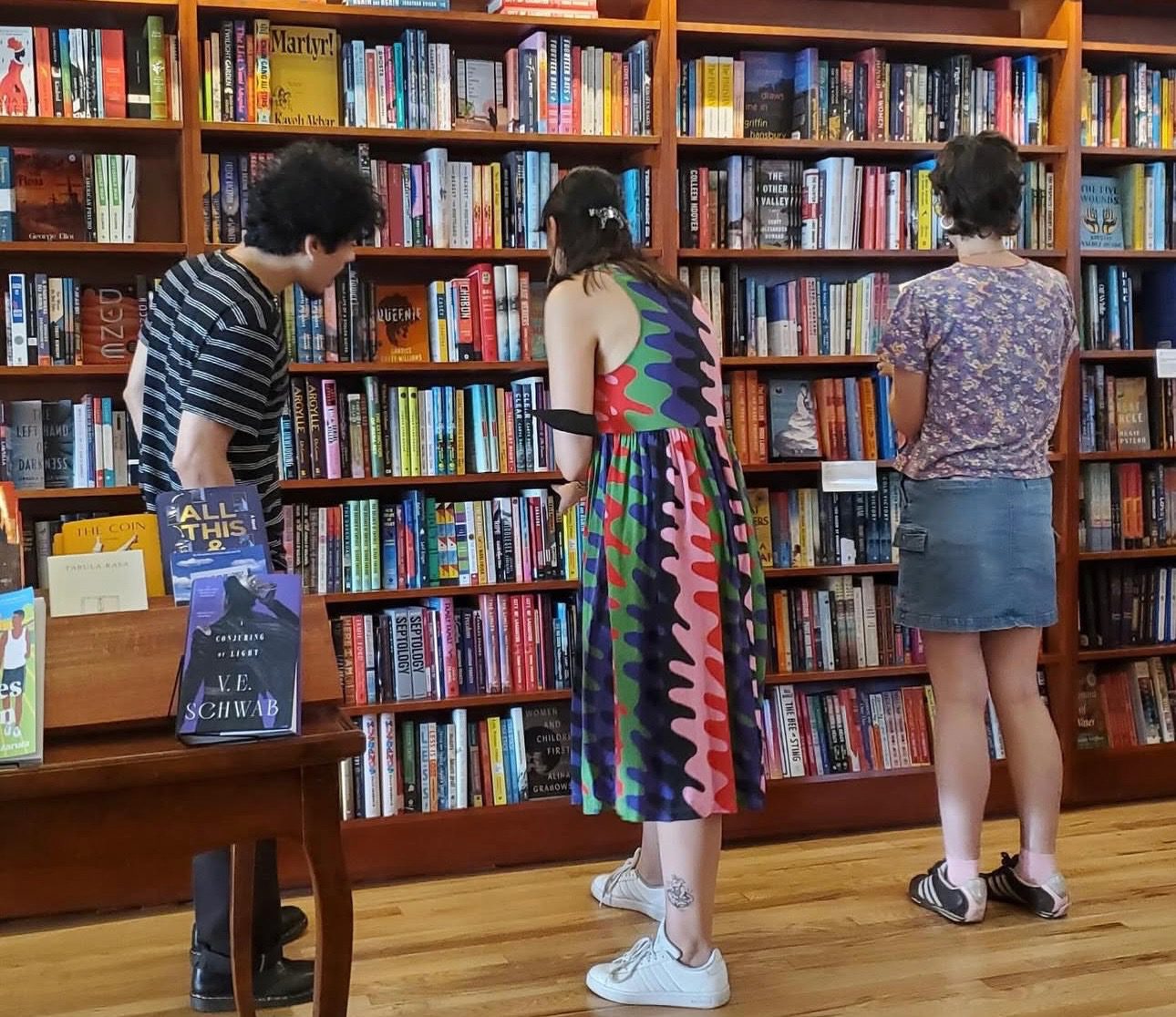
Over the years, the festival has grown far beyond its local roots. Its stages have hosted Joan Didion, Salman Rushdie, Karl Ove Knausgård, Dave Eggers, Rosanne Cash, and many other world-class authors. By 2009, the festival was already drawing about 30,000 visitors. That same year, St. Francis College established a prestigious Literary Prize for writers, which is awarded during the festival.
But this success has deeper roots. Brooklyn has always been literary territory—sharp, polyphonic, sometimes dark. In the 20th century, its industrial waterfronts, affordable apartments, and diverse immigrant neighborhoods attracted writers seeking freedom and their own style. Thomas Wolfe, H.P. Lovecraft, Hubert Selby Jr., Truman Capote—each saw Brooklyn differently: as a labyrinth, a danger, a refuge, or a lost home.
For those who grew up here, this voice often carries a note of loss. Once an independent city, later absorbed by New York, Brooklyn retained a sense of stolen grandeur. Arthur Miller and Alfred Kazin wrote about this. Jonathan Lethem speaks to it too—a Brooklyn writer who always stands slightly apart from the center, deriving his strength from that very distance.
Of course, Brooklyn has changed. Gentrification has erased many old backdrops, and many authors who once scraped by here now live in cozy neighborhoods, rarely making Brooklyn the protagonist of their texts. Yet the festival insists: the voice hasn’t vanished; it has simply changed its language. New Caribbean, Asian, Middle Eastern, and African narratives are sprouting in neighborhoods untouched by glossy redevelopment—in Sunset Park, Flatlands, Gravesend.
That is why the Brooklyn Book Festival doesn’t just invite stars; it seeks out new names. Contests for emerging authors, public readings, and support for independent publishers make it not just a fair, but a living literary organism.
Literature Without Barriers
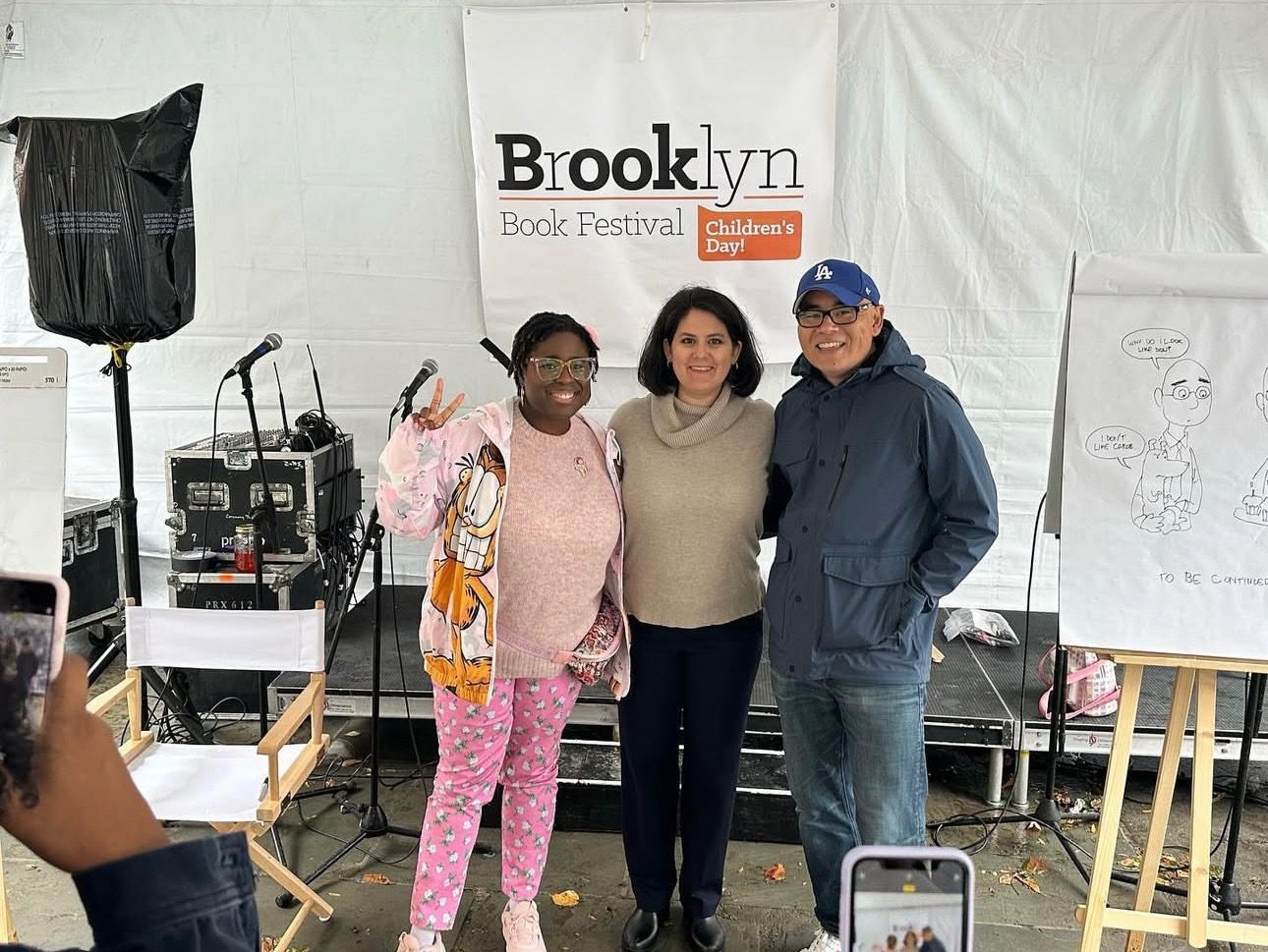
The mission of the Brooklyn Book Festival is to celebrate contemporary literature while nurturing a vibrant cultural community where readers of all ages, backgrounds, and experiences meet authors, publishers, and booksellers from around the world. The festival was conceived not as an event for the elite, but as a space for open dialogue, where books spark conversation, connections, and new ideas.
This is why BKBF creates original programs that combine intellectual depth with a lively, modern delivery. They are hip yet substantive, diverse, and inclusive.
The festival isn’t limited to one place or date. Events take place across various New York neighborhoods and online, allowing literature to step off the stage and become part of city life. It has become New York’s largest free literary festival and a vital hub for the entire book community. Here, new, unheard voices resonate alongside global names; independent publishers get a visible platform, and readers feel part of a grand, polyphonic literary conversation. It is a place where a book stops being just an object and becomes a shared experience.
The Literary Marathon of New York
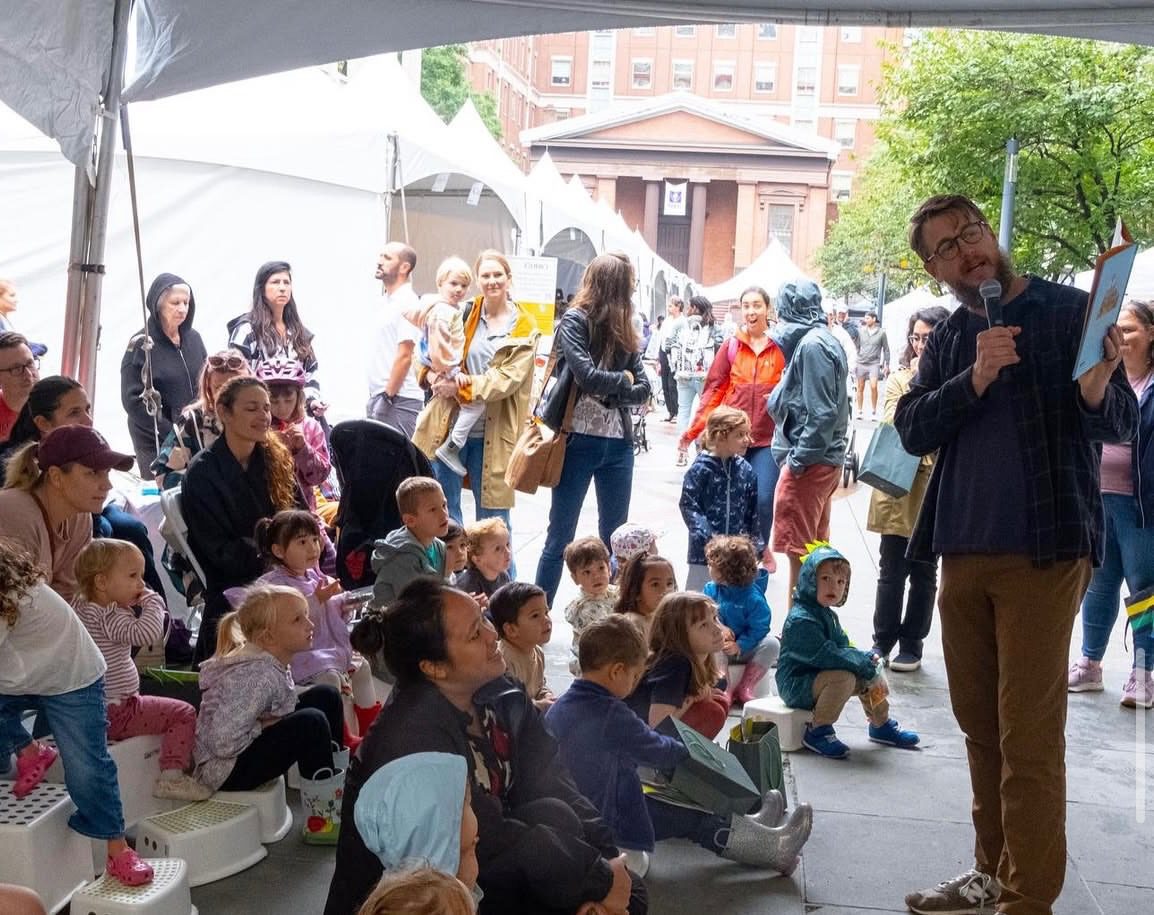
The Brooklyn Book Festival has long outgrown the scope of a standard fair. It is a multi-day literary event where books come alive through readings, panel discussions, signings, and industry meetups. Over the years, it has expanded into a full-blown cultural marathon, lasting up to nine days and unfolding both offline and online.
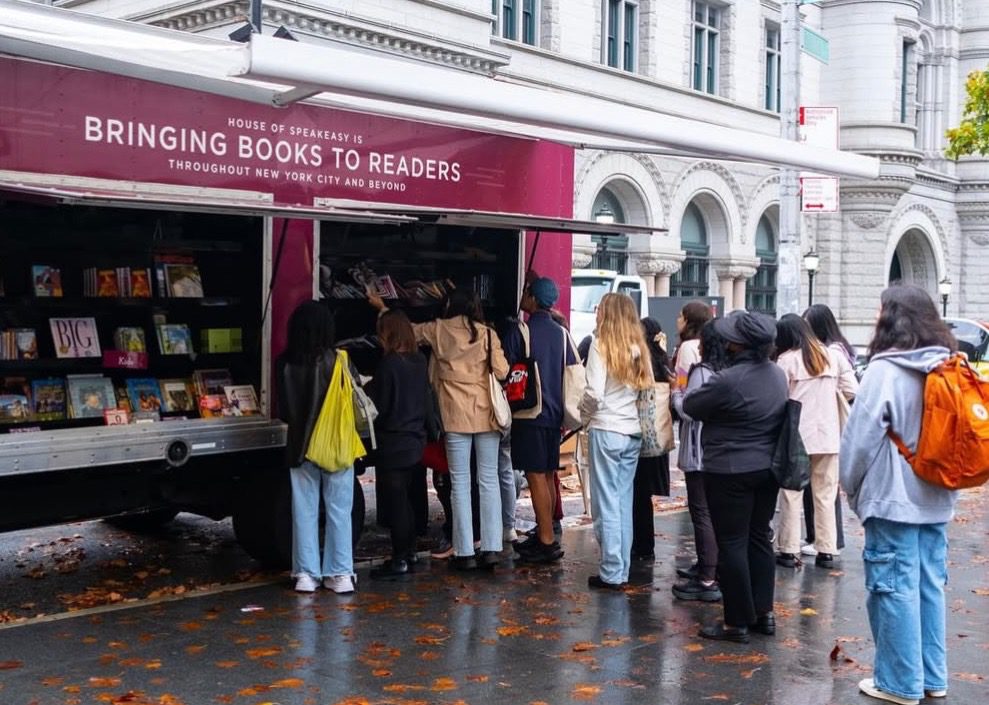
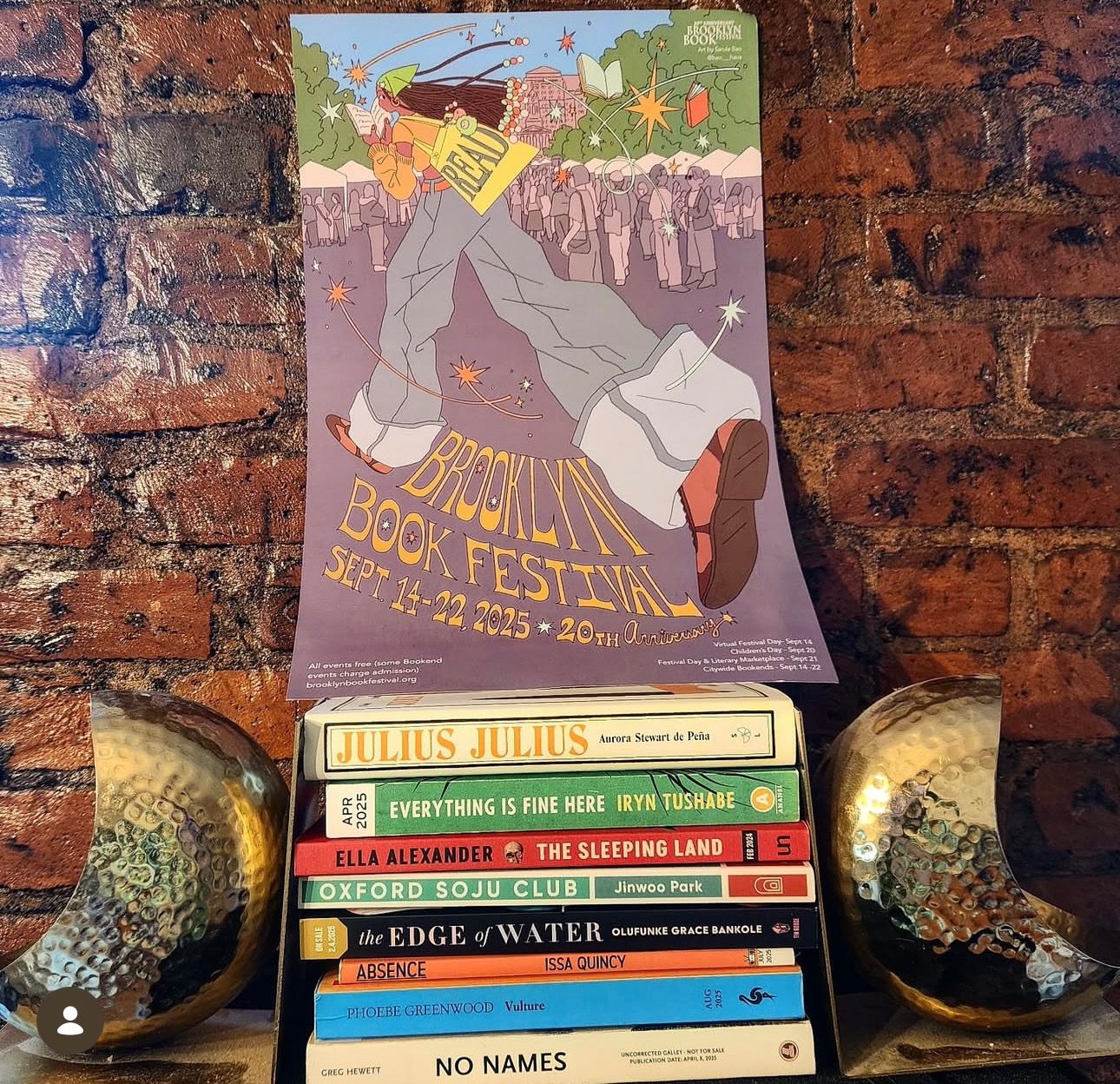
Its structure ensures literature is accessible to everyone. Virtual Festival Day opens the event to a global audience, allowing people to join the conversation regardless of geography. Throughout the week, Bookend Events—intimate gatherings, readings, discussions, and performances—take place in libraries, bookstores, and cultural spaces across NYC. Children’s Day holds a special spot, dedicated to kids’ literature and family activities. The culmination is Festival Day & Literary Marketplace—the main event at Brooklyn Borough Hall and Columbus Park, where hundreds of authors mingle with readers, and dozens of tents transform the area into a massive book market.
It’s no wonder enthusiasts compare Brooklyn to Paris, and the borough itself to a new Left Bank. That’s what Borough President Marty Markowitz jokingly called it when he launched the first festival at Borough Hall. Even then, alongside famous names like Jhumpa Lahiri, Jonathan Lethem, Colson Whitehead, and Pete Hamill, the voices of young poets and authors were already being heard.
The Brooklyn Book Festival has become the place where old literary layers meet new ones, and the voice of the borough sounds thoroughly modern: polyphonic, open, and alive.
Celebrating BKBF’s 20th Anniversary: New York’s Main Literary Event
The milestone festival in September 2025 was celebrated in a special way. For a week, panels, readings, workshops, and author meetings took place across the city. The Virtual Festival Day, born during the pandemic, once again allowed international audiences to join in.
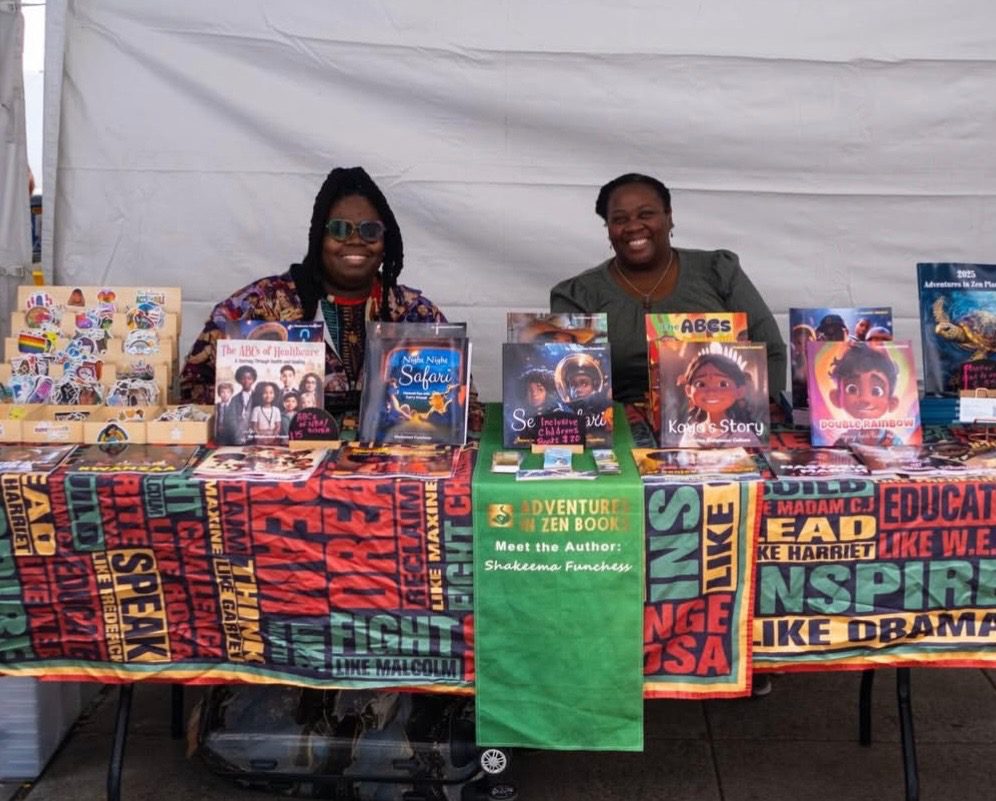
As always, the climax was Festival Day and the massive Literary Marketplace near Brooklyn Borough Hall. Over two decades, it has tripled in size and is now considered the largest book market in the Northeast US, featuring over 250 publishers, thousands of visitors, and multiple stages with non-stop programming.
The anniversary festival also had a clear social focus. Organizers consciously invited non-fiction authors to discuss politics, democracy, human rights, and Big Tech. The idea was to give the public a chance to process complex topics deeply, rather than settling for short news headlines.
Despite financial challenges and the loss of some grants, the festival team emphasizes: BKBF hasn’t just survived; it intends to keep growing.
“Making sure BKBF thrives for the next 20 years is a kind of management goal for me,” says festival co-founder and producer Liz Koch, adding that the festival shouldn’t vanish suddenly like other cultural institutions. “We certainly have no intention of disappearing. We want to not just survive, but truly thrive in New York.”
The 20th anniversary wasn’t a finale, but a starting point for a new chapter. This is confirmed by plans already announced for 2026. Next September, the festival will return to Brooklyn and other boroughs with an expanded program. Specific dates and events are already set on the official website. Organizers promise the festival will remain free, open, and diverse.
The 20th-anniversary celebration proved that the Brooklyn Book Festival is not just an event, but a living literary community confidently looking toward the future and preparing for a new decade.