

Photoville is New York City’s premier annual photography festival, dedicated to documentary, fine art, and socially conscious imagery. Usually held every fall along the Brooklyn waterfront, the event is famous for transforming shipping containers into pop-up gallery spaces. The festival blends photo exhibitions with public lectures, panel discussions, and hands-on workshops, all while remaining free and open to the public. Its mission is to champion independent photographers and spark public dialogue on vital social issues through visual art. For a deeper look at this iconic NYC staple, read on with newyorkski.info.
A City Through the Lens
Photoville was born in Brooklyn in 2011 from a simple yet bold idea: photography should be accessible to everyone—both those behind the lens and those in front of the prints. At its core, the festival is built on a foundation of cultural equity and inclusivity, ensuring every voice has a chance to be heard. Here, the focus isn’t just on the image; it’s about the person behind the camera and the story they need to tell.
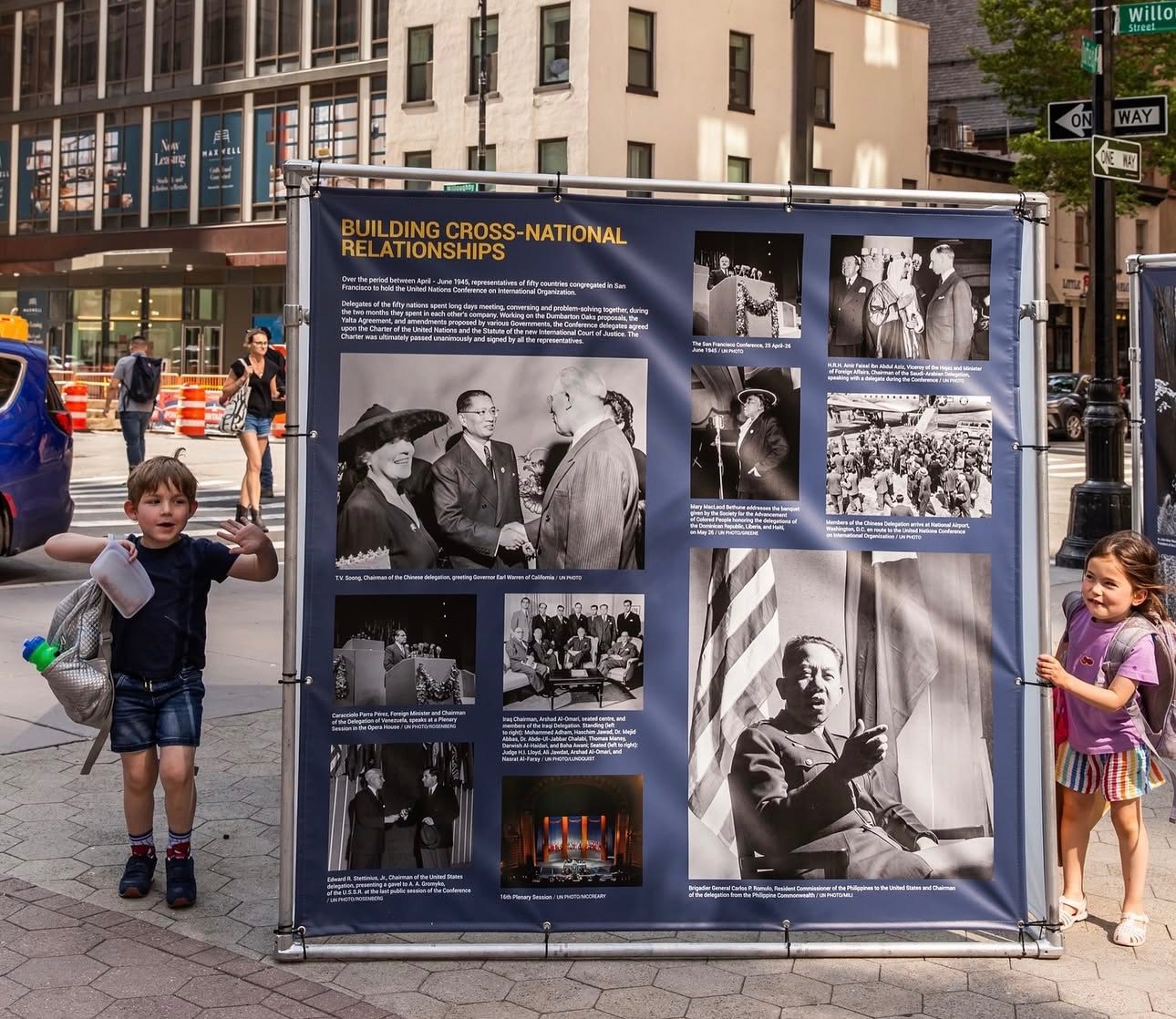
Year after year, Photoville breaks out of the traditional “white cube” gallery space, turning the urban landscape into a living, breathing outdoor museum. New York’s waterfronts, parks, and public plazas become meeting grounds for visual narratives that speak of hope and loss, joy and pain, and the intersection of local life with global challenges. The festival’s signature shipping container displays emphasize a powerful message: art can thrive anywhere as long as there is an open community to receive it.
Alongside the exhibitions, Photoville hosts a robust slate of educational programs, public events, and partnership initiatives. These efforts support photographers, students, and educators through everything from professional mentorship to access to industry resources.
By weaving hyper-local stories into a global tapestry, Photoville creates a space for empathy and dialogue. It is a festival that reminds us: photography has the power to broaden our horizons, bring us closer together, and reveal the world in all its complex, diverse beauty.
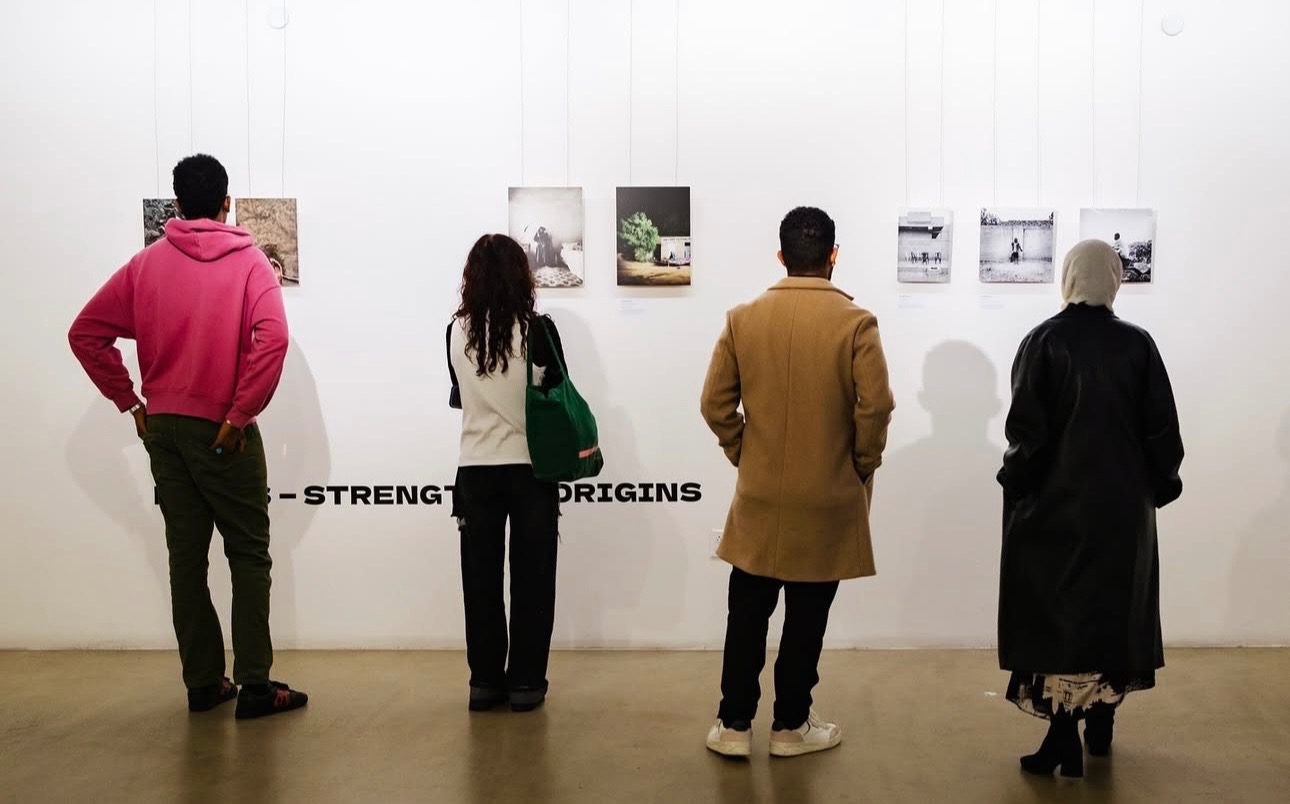
Taking it to the Streets: How Photoville Went Citywide
Photoville entered its second decade at a pivotal turning point. In 2020, to mark its 10th anniversary, the festival radically pushed its boundaries, expanding from a single hub to the entire city. Amid the pandemic, this move wasn’t just an experiment—it was a survival strategy and a total reimagining of its role. Photoville essentially “dissolved” into New York, spreading across all five boroughs and transforming the urban landscape into one massive open-air gallery.
Instead of clustering in one park, photo exhibitions began popping up where everyday life happens: along waterfronts, in local parks, and on the streets of Harlem, the Bronx, Queens, Bushwick, Chelsea, the Lower East Side, and Staten Island. This completely free and accessible format allowed people to safely engage with art at a time when indoor spaces were off-limits and the need for a shared experience was more intense than ever.
The pandemic forced the festival to pivot away from its traditional shipping container setups, betting instead on open spaces and a decentralized model. What was originally planned as a gradual expansion became an urgent necessity and, ultimately, Photoville’s new identity. Physical exhibitions were paired with online events, artist talks, and educational workshops, creating a hybrid format that kept people connected even while apart.
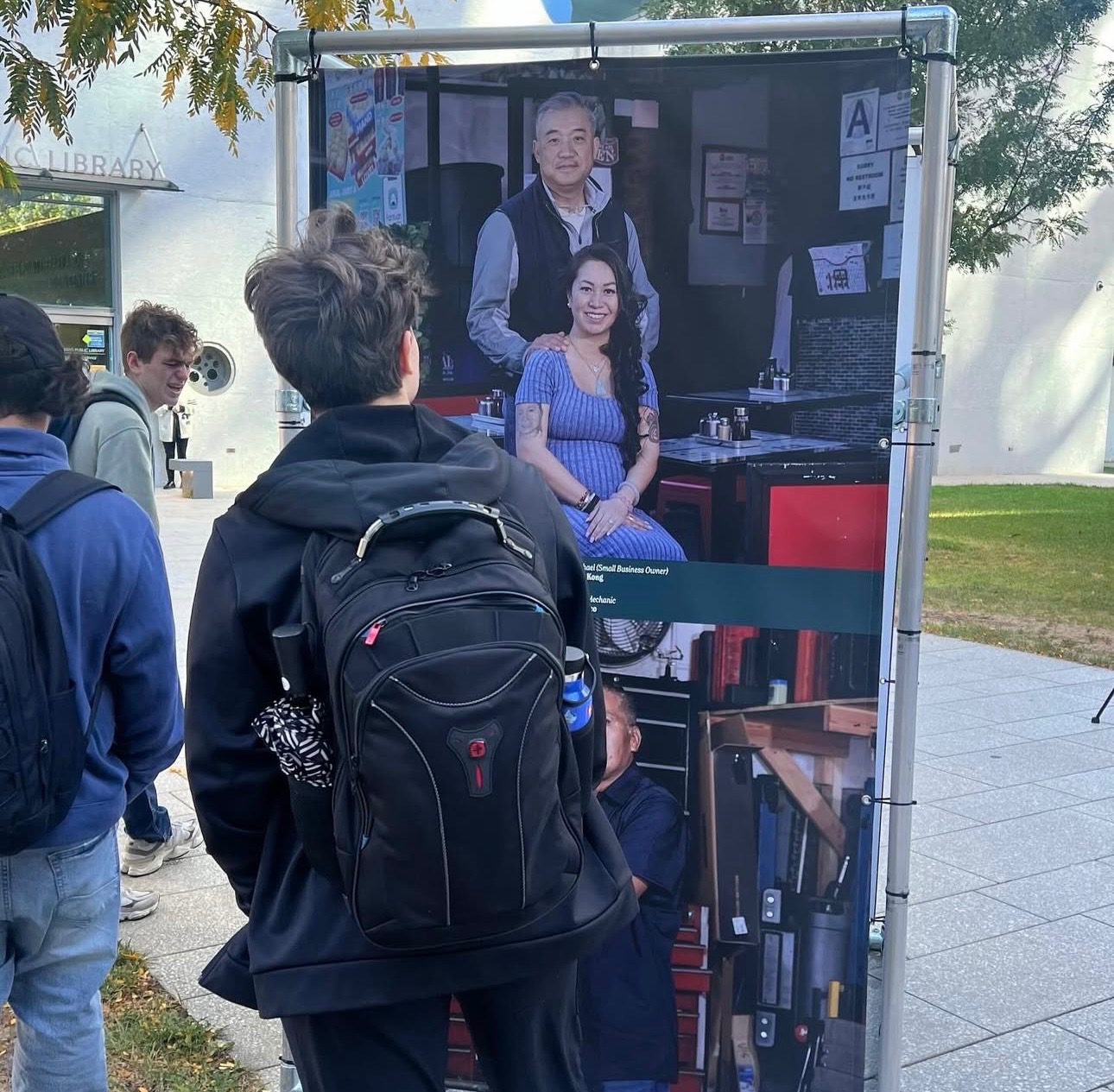
By 2021, the festival featured the work of over 3,000 artists, collaborating with dozens of curators and partners. Emerging voices shared the spotlight with world-renowned names like Ai Weiwei and major media powerhouses.
This citywide takeover was the key to Photoville’s resilience. Over half a million visitors proved that a dispersed, public format was exactly what the times demanded. According to Laura Roumanos, Photoville’s Executive Director and Co-Founder, during such uncertain times, the festival offered a sense of community and belonging—a chance to peek into the lives of others and see oneself as part of a larger human story.
By adapting to this new reality, Photoville continues to work with city agencies, partners, and local communities to experiment with scale and form. The festival has become agile and flexible, learning how to exist not just inthe city, but with the city—finding its path to recovery and long-term growth in the process.
Photoville 2022–2024: NYC as an Open-Air Photo City
Following the pandemic-era restrictions, Photoville 2022 became a powerful symbol of the city’s return to physical presence. Photography once again wove itself into daily routines—visible on the morning commute, during walks with the kids, or along the waterfront. The 2022 themes reflected the scars and lessons of recent crises: urban life under lockdown, the fragility of human connection, and raw personal stories of survival.
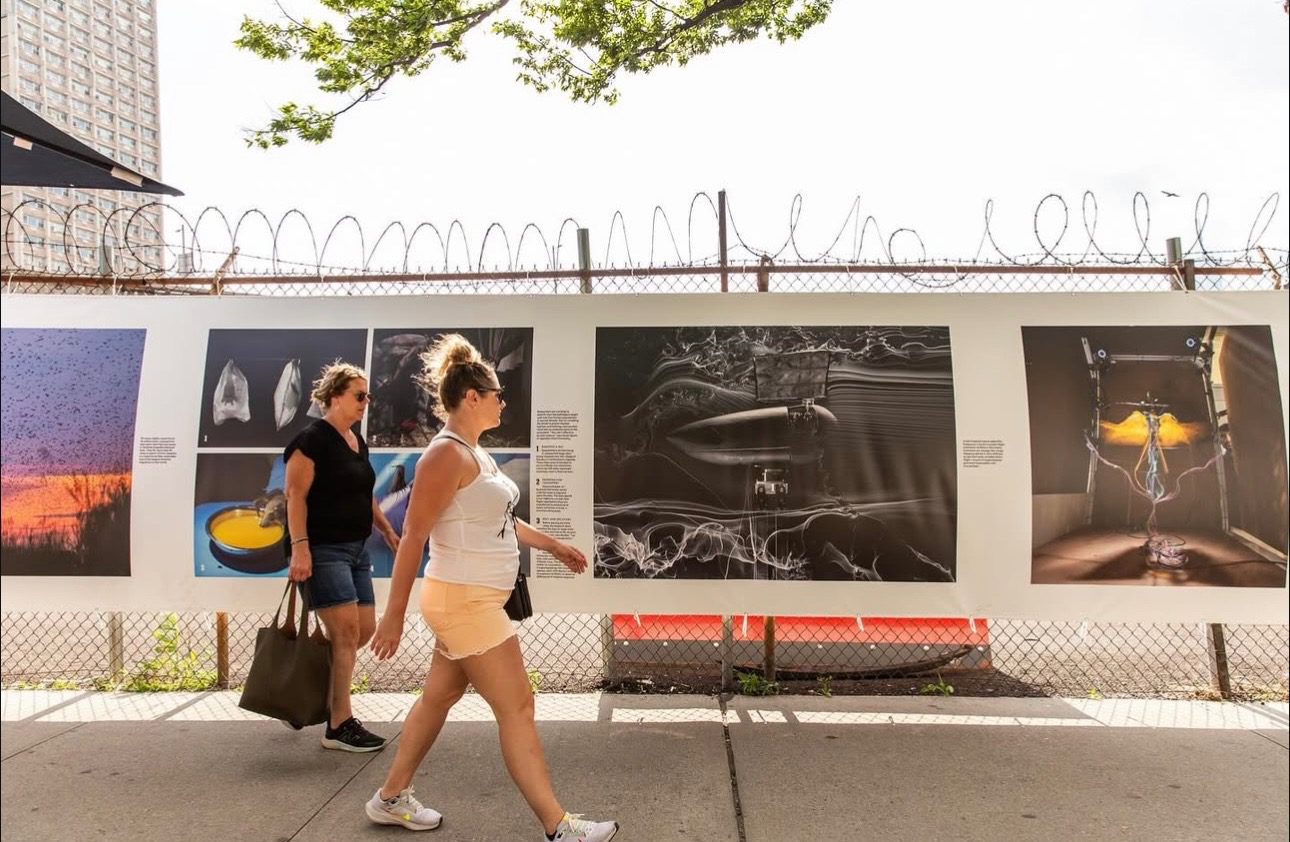
By 2023, Photoville returned with a more expansive and confident footprint. The festival deployed over 80 exhibitions, masterfully blending its signature shipping container galleries with large-scale outdoor installations. Brooklyn Bridge Park reclaimed its spot as the festival hub, but it was far from the only game in town. The event increasingly defined itself as a space for education and dialogue: artist-led photo walks, portfolio reviews, public talks, and family programming became core features. The visual narratives of 2023 zeroed in on social justice, identity, memory, and the shifting tides of modern society.
The 2024 edition solidified this evolution. Photoville no longer just “visited” neighborhoods; it became part of the local fabric of every borough. Opening night featured educational workshops, inclusive events, and evening multimedia projections. The festival leaned heavily into a diversity of voices, ranging from documentary series on historic heritage to avant-garde projects exploring ecology and the pulse of the megacity.
Throughout 2022–2024, Photoville successfully erased the line between fine art and the city streets. There’s no ticket to buy and no prerequisite needed—all you have to do is be a New Yorker.
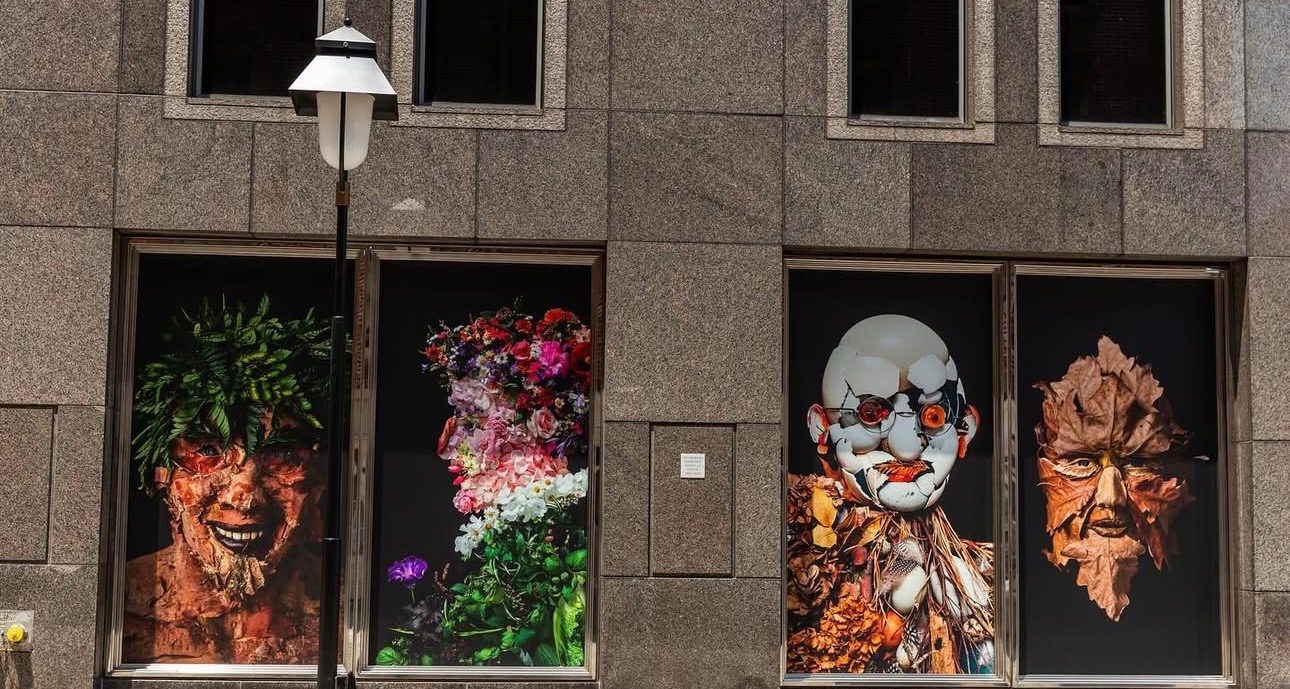
Photoville 2025: Photography as a Vision for the Future
In 2025, Photoville once again proved that photography is more than just a tool for documenting crisis; it is a language of hope, intimacy, and human resilience.
The festival showcased a spectrum of talent, from student breakthroughs to projects by established masters. Formats ranged from hard-hitting photojournalism to experimental visual storytelling, all tied together by a shared focus: the urgency and intimacy of the human experience.
The 14th annual Photoville returned to Brooklyn Bridge Park with its iconic container galleries while simultaneously blanketing public spaces across all five boroughs. In total, 87 exhibitions were mounted, remaining accessible to the public for several months.
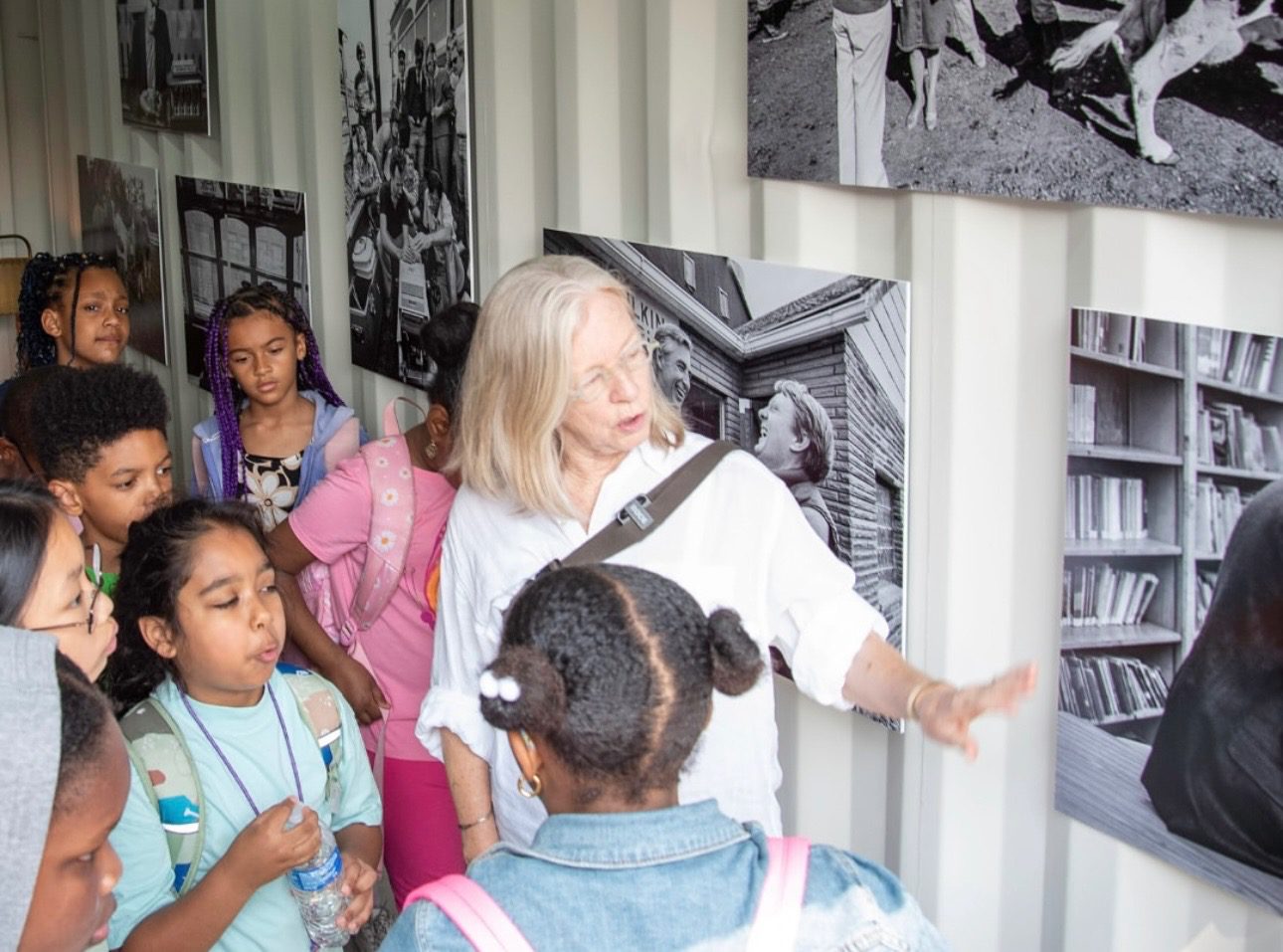
Photoville 2025 by the numbers:
- Over 1 million people visited the free exhibitions.
- More than 200 artists showcased their work.
- Premier partners included The New York Times, National Geographic, the Schomburg Center, Doctors Without Borders, the Magnum Foundation, and the Pulitzer Center.
- Educational impact: 100+ workshops and professional development sessions were attended by over 600 participants, while 700 students and teachers engaged directly with exhibiting photographers.
The 2025 program masterfully bridged the local and the global. It featured stories of Queens’ immigrant soccer culture and the daily lives of people in migrant shelters alongside global dispatches from Gaza, the “Baltic Way” of resistance, and refugee camps in the Sahara.
“We envisioned Photoville as a sanctuary where visual storytellers can meet, interact, and be heard,” explained co-founder Laura Roumanos.
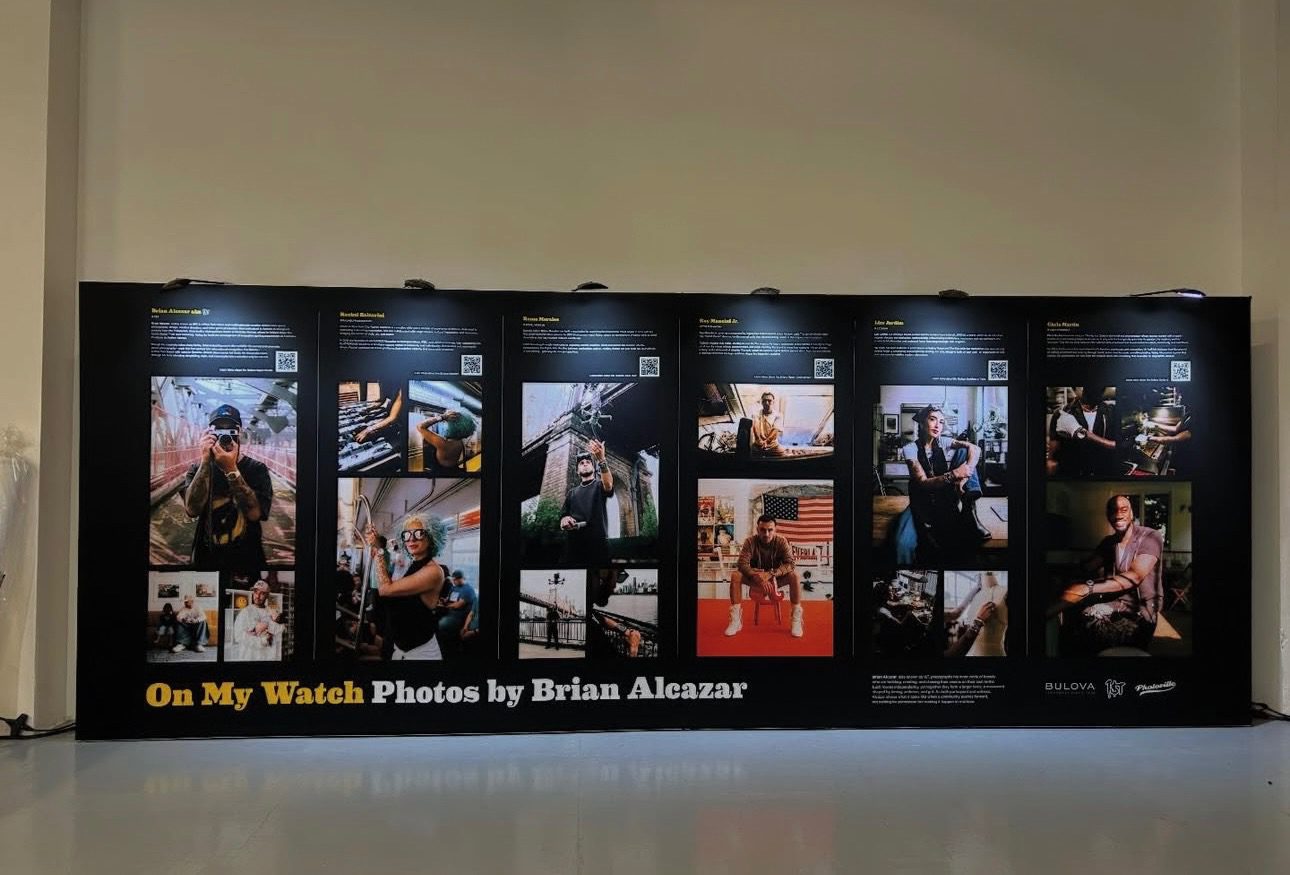
From live projections under the Brooklyn Bridge to bold experiments with drones and even Play-Doh, Photoville 2025 proved once again that New York isn’t just a city—it’s an open-air gallery for the entire world.