

In the history of popular music, few names resonate with the same enduring power as Neil Diamond. In this article on newyorkski.info we tell the story of the legendary American singer-songwriter whose hits became the soundtrack for multiple generations. We’ll trace his journey from a Brooklyn kid to a global superstar, uncover the secrets behind his phenomenal live performances, and explore his courageous battle with illness.
The Guitar That Changed Everything
Neil Diamond was born on January 24, 1941, in Brooklyn—a borough where immigrant stories were woven together as tightly as the city blocks. His grandparents had emigrated from Poland to the U.S. Diamond’s childhood wasn’t rooted in just one place; he spent several years in Wyoming while his father served in the military. But his true return to his roots came in 1956 when the family settled back in Brooklyn, this time in Brighton Beach.
It was there, in the high school choir, that he sang right next to another future icon: Barbra Streisand. At the time, it seemed like pure coincidence. Two decades later, their voices would reunite on the duet You Don’t Bring Me Flowers, skyrocketing to the absolute top of the American charts.
The definitive turning point in Neil’s life didn’t happen on a stage or in a recording studio, but at home on his sixteenth birthday. A gifted guitar turned out to be more than just an instrument; it was a true launchpad. Diamond started taking lessons and writing his first songs. Gradually, music evolved from a teenage hobby into a lifelong calling.
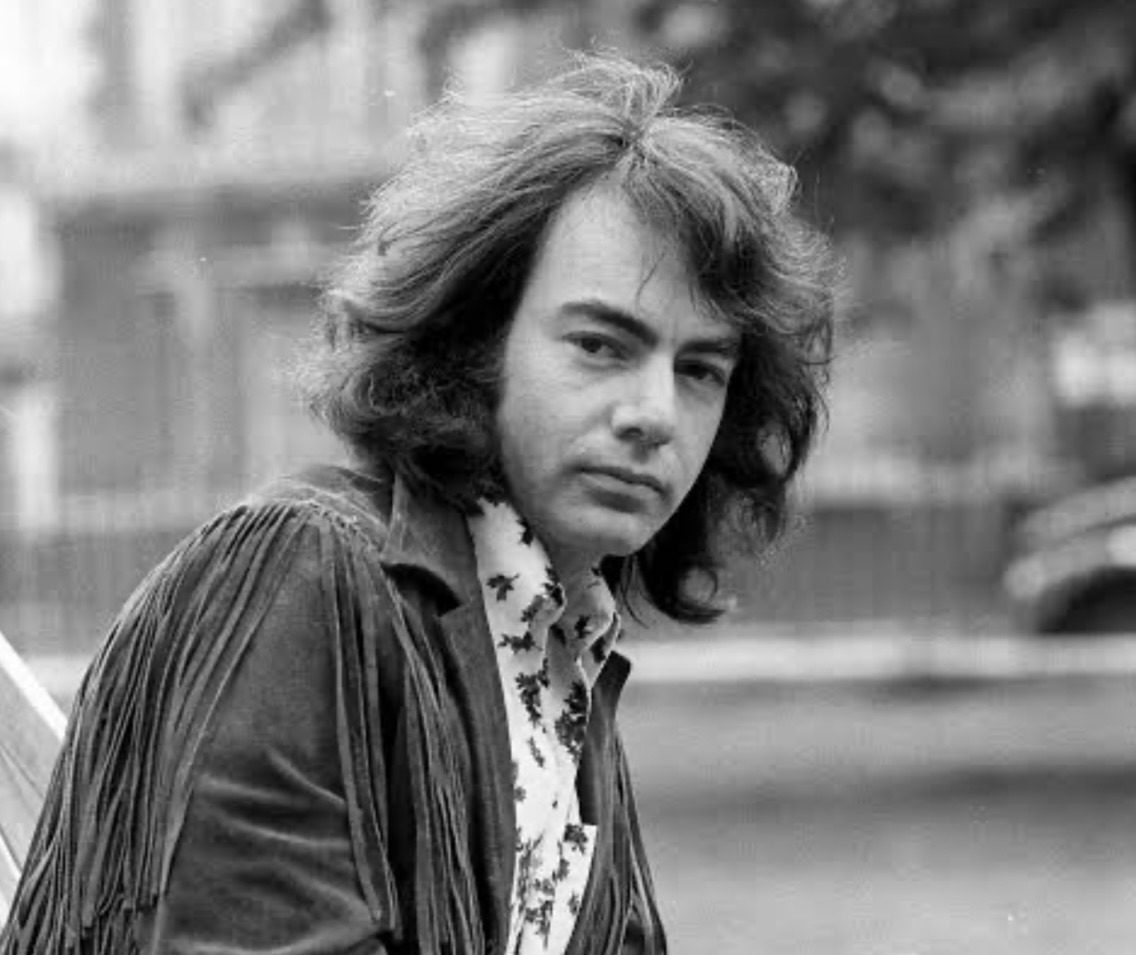
After high school, he enrolled at New York University, but the traditional academic path couldn’t hold his attention. Just six months shy of graduation, he dropped out. The reason? A staff songwriting gig at a music publishing company paying a symbolic $50 a week. It looked like a massive risk, but time proved it was a gamble worth taking.
By 1967, Neil experienced the taste of genuine success. His song I’m a Believer, recorded by The Monkees, became a massive smash and held the number one spot on the national charts for seven weeks. It was the moment Diamond’s name first echoed with real authority, paving the way for him to become one of the defining singer-songwriters of his generation.
Songs That Defied Time
In the late 1960s, Neil Diamond finally stepped out of the songwriting shadows and launched his solo career. Within a few short years, his name became synonymous with anthems that had entire stadiums singing along.
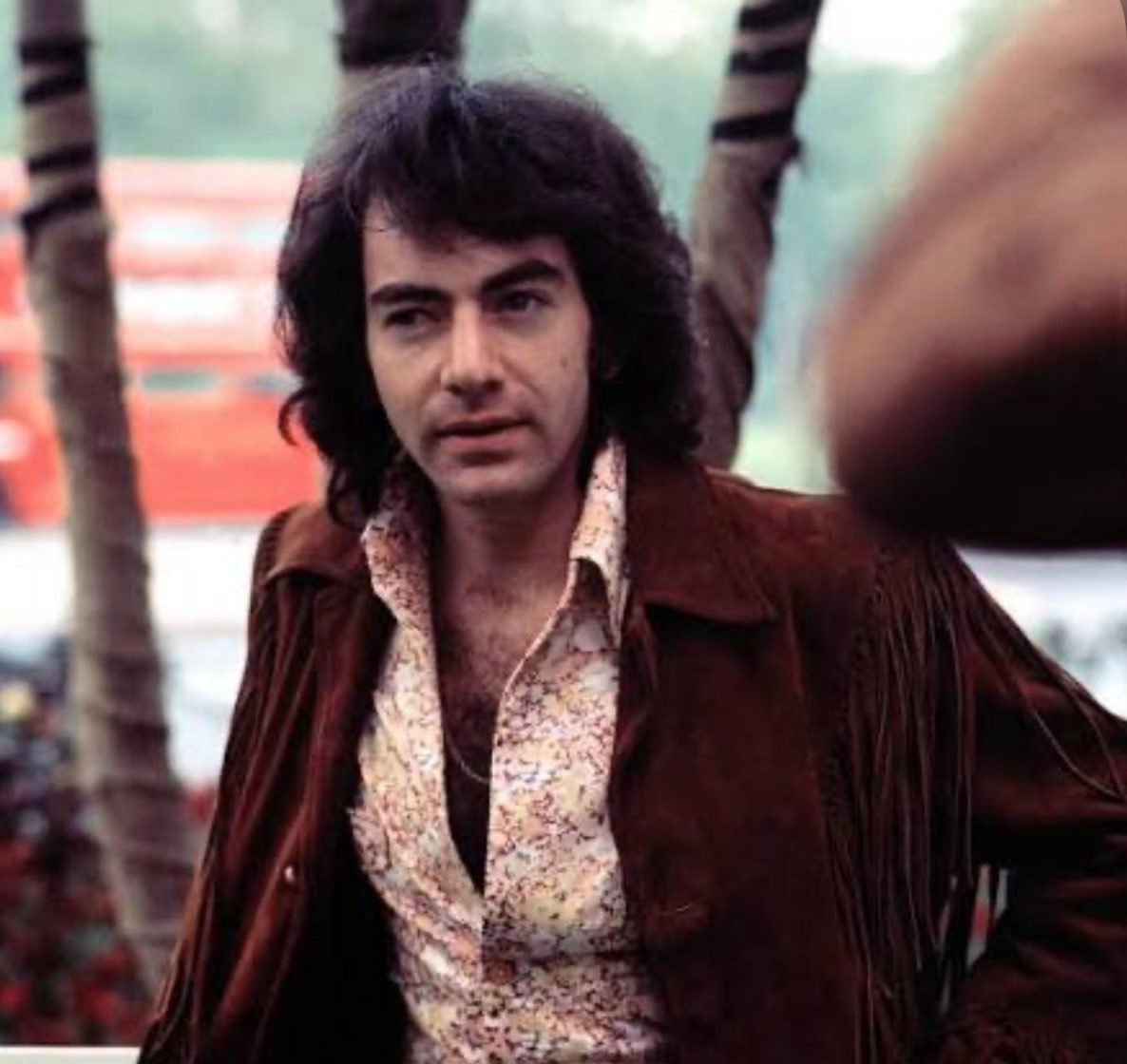
One of those anthems was Sweet Caroline (1969)—a track famously inspired by the president’s daughter, Caroline Kennedy. The song quickly transcended its creator, eagerly covered by legends like Elvis Presley and Frank Sinatra.
Diamond’s music has always possessed an uncanny ability to return—often decades later, in entirely new contexts, for totally new audiences. That’s exactly what happened with Girl, You’ll Be a Woman Soon, which found a second life in Quentin Tarantino’s cult classic Pulp Fiction. The song’s placement in one of the film’s most hypnotic scenes thrust Diamond’s name right back into the global spotlight.
A similar fate awaited Red Red Wine. A reggae cover by UB40 unexpectedly topped the charts on both sides of the Atlantic, proving that a truly great song has no expiration date.
Meanwhile, Diamond was also making waves in Hollywood. His soundtrack for the film Jonathan Livingston Seagull earned him a Golden Globe and a Grammy—a rare feat where an artist’s original work receives top honors from both film and music critics alike.
In 1980, he decided to step in front of the camera, starring as an actor in the film The Jazz Singer. The movie’s soundtrack was an absolute commercial juggernaut, but his acting debut drew a heavily polarized response. In fact, Diamond actually “won” a Razzie Award for Worst Actor. It’s an irony almost too perfect to script: his music triumphs, while his acting is critically panned.
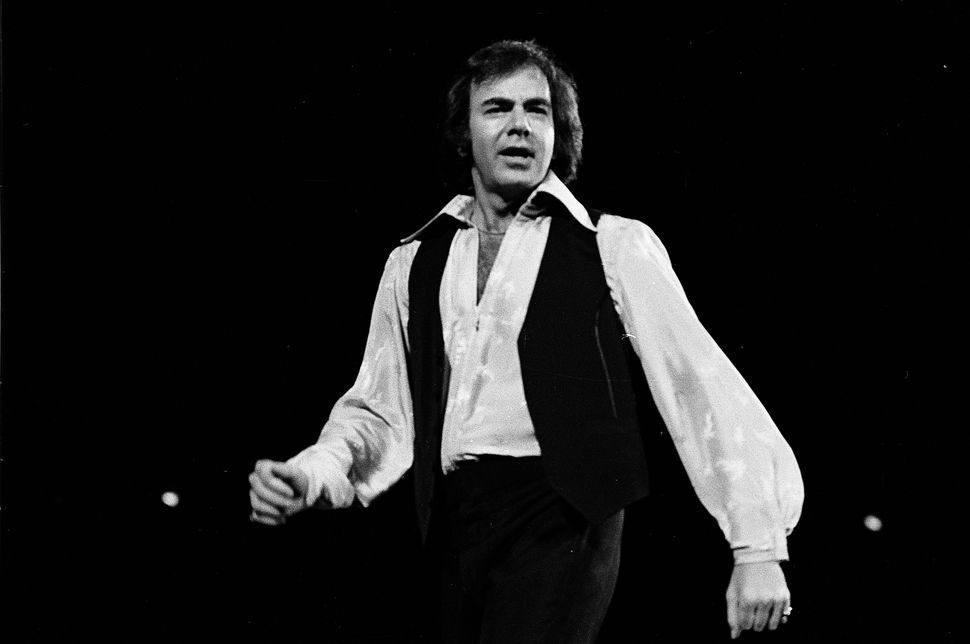
Yet, there was a certain logic to it. Diamond was never striving to be a jack-of-all-trades. His superpower was his songwriting. And it’s those songs that prove, time and time again, that a real hit never ages—it simply waits for the right moment to play again.
The Stage Where He Was Truly Himself
When you talk about Neil Diamond, studio recordings only tell half the story. The true scale of the artist was revealed live, under the glare of the spotlight. Every concert transformed into an unforgettable event. His shows weren’t just meant to be listened to; they were meant to be experienced alongside him.
When analyzing the phenomenon of Diamond’s stage success, researcher Janni Pieter Pretorius pointed out elements that can’t be measured by charts or sales numbers, but are unmistakably felt in the room.
First and foremost is his incredible connection with the audience. Diamond never hid behind his music; he practically reached out and grabbed everyone in the arena. His concerts were built on a live dialogue, with emotions flowing in both directions.
The technical side was equally crucial. The artist never skimped on production quality: the lighting, sound, and visual design operated like a flawless, unified machine, amplifying the impact of every track. It was a meticulously crafted production that still somehow completely avoided feeling artificial.
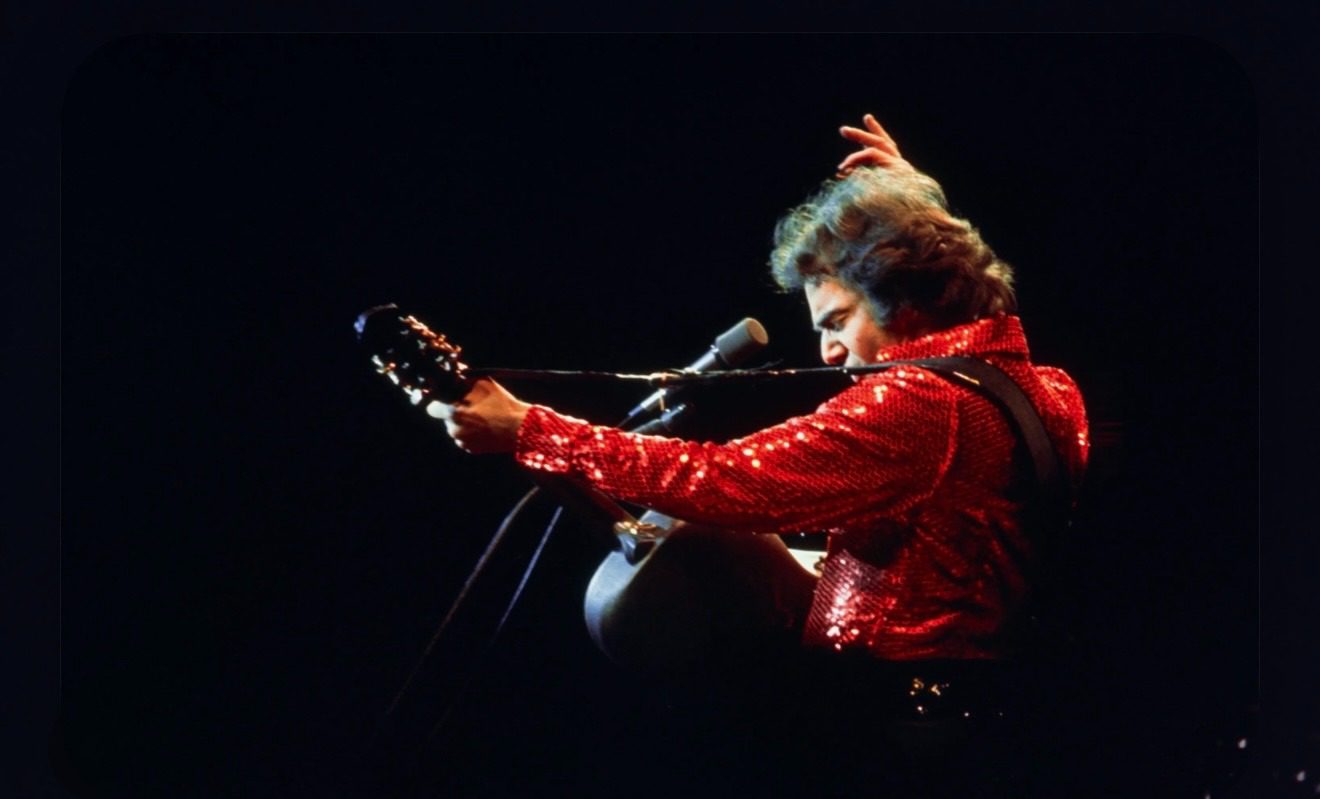
But the most important element was the raw energy. Even if Diamond was singing a track for the thousandth time, there wasn’t a single trace of fatigue. It pulsed with life, and the crowd picked up on it instantly.
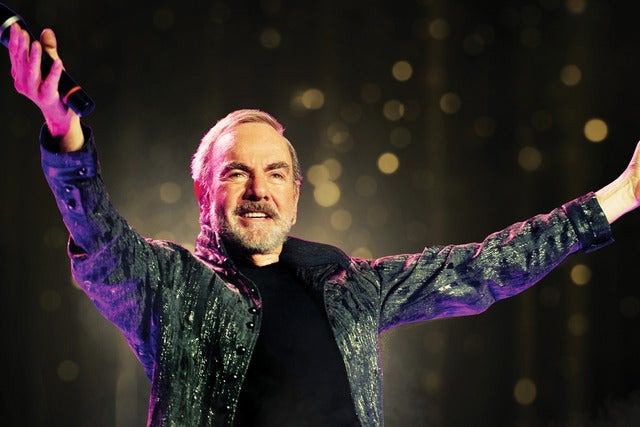
His stage persona played a massive role, too. His understated, all-black wardrobe—free of flashy gimmicks—only underscored his serious intent and deep respect for the audience. But beneath that stoic exterior simmered a fierce passion. Diamond’s performances have often been described as an “emotional explosion,” and that was no exaggeration. Pretorius boiled this phenomenon down to a simple formula: “sustained excellence.” Honestly, there’s no better way to put it.
Accolades That Need No Explanation
Diamond’s career is packed with an endless list of accolades that simply made official what millions of fans already knew.
In 2011, he was rightfully inducted into the Rock and Roll Hall of Fame and received the Kennedy Center Honors for his outstanding contributions to American culture. The following year, he was awarded a star on the Hollywood Walk of Fame—another piece of evidence that his voice had long been permanently etched into America’s cultural DNA.
In the mid-2000s, Neil Diamond suddenly found himself back at the center of the music conversation. The spark was an unexpected creative partnership with Rick Rubin, the legendary producer who had already successfully revamped the sound of multiple generations of artists.
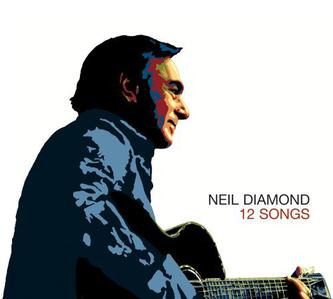
Their first collaborative album, 12 Songs (2005), had a stripped-down, almost intimate feel. It ditched the glossy studio production to put the spotlight directly on Diamond’s voice and lyrics. This unfiltered honesty worked beautifully, pushing the record to number four on the U.S. charts. The project carried even more weight with the inclusion of Brian Wilson, one of the architects of The Beach Boys’ signature sound.
But the real bombshell dropped a bit later. In May 2008, he released the album Home Before Dark. For the first time in his nearly half-century career, Diamond debuted at number one on the prestigious Billboard 200 chart. What’s more, the record simultaneously topped the UK charts—a seemingly impossible feat for an artist of his generation.
At the time, Neil was 67 years old. With this release, he shattered Bob Dylan’s record, becoming the oldest artist to ever top the American album charts. It was a remarkably rare case of a legacy artist not just resting on past glories, but suddenly sounding astonishingly relevant—without making any compromises or desperately trying to chase fleeting modern trends.
A Voice Beyond the Stage: Neil Diamond’s New Chapter
In early 2018, Neil Diamond made an announcement that his devoted fans never expected to hear. Due to a Parkinson’s disease diagnosis, he was forced to permanently retire from touring. For an artist who had spent decades in perpetual motion—bouncing between cities, stages, and roaring arenas—it was the most agonizing decision of his life.
“I just wasn’t ready to accept it,” he admitted after the news had already circled the globe.
He may have left the stage, but he didn’t leave the music. His songs haven’t disappeared; they continue to play on, passed down from one generation to the next. Whether in massive stadium anthems or quiet, intimate ballads, the same voice that once packed hundred-thousand-seat arenas lives on.
Neil Diamond’s story is the journey of a man who managed to preserve his unique voice in a rapidly changing world. His career was built as a long, consistent line with no room for accidental victories. Even when faced with a debilitating illness, he remained the exact same artist: focused, fiercely honest, and completely devoted to his craft.
And perhaps that is exactly what makes his legacy so monumental. It is no longer dependent on concert posters or grueling tour schedules. His voice has already become an indelible part of our collective cultural memory—and with each passing year, it only takes a deeper hold.