

In June 2026, the world will celebrate the 100th birthday of Mel Brooks—the legendary American film director, actor, comedian, and composer. In this article on newyorkski.info we look back at the life and career of a man who belongs to the ultra-exclusive EGOT club, having won all four major American entertainment awards: an Emmy, a Grammy, an Oscar, and a Tony.
From Combat Engineer to Master of Satire
His biography doesn’t begin on a stage or a studio backlot, but rather in a war zone—a place where humor seemingly had no place to survive. Born Melvin James Kaminsky, Mel Brooks found himself in the U.S. Army in 1944 at the age of 18. He was assigned to the 1104th Engineer Combat Group, a unit where mistakes were often fatal. In Normandy, he served as a combat engineer: clearing landmines and sweeping buildings for booby traps and tripwires left behind in the wake of battle.
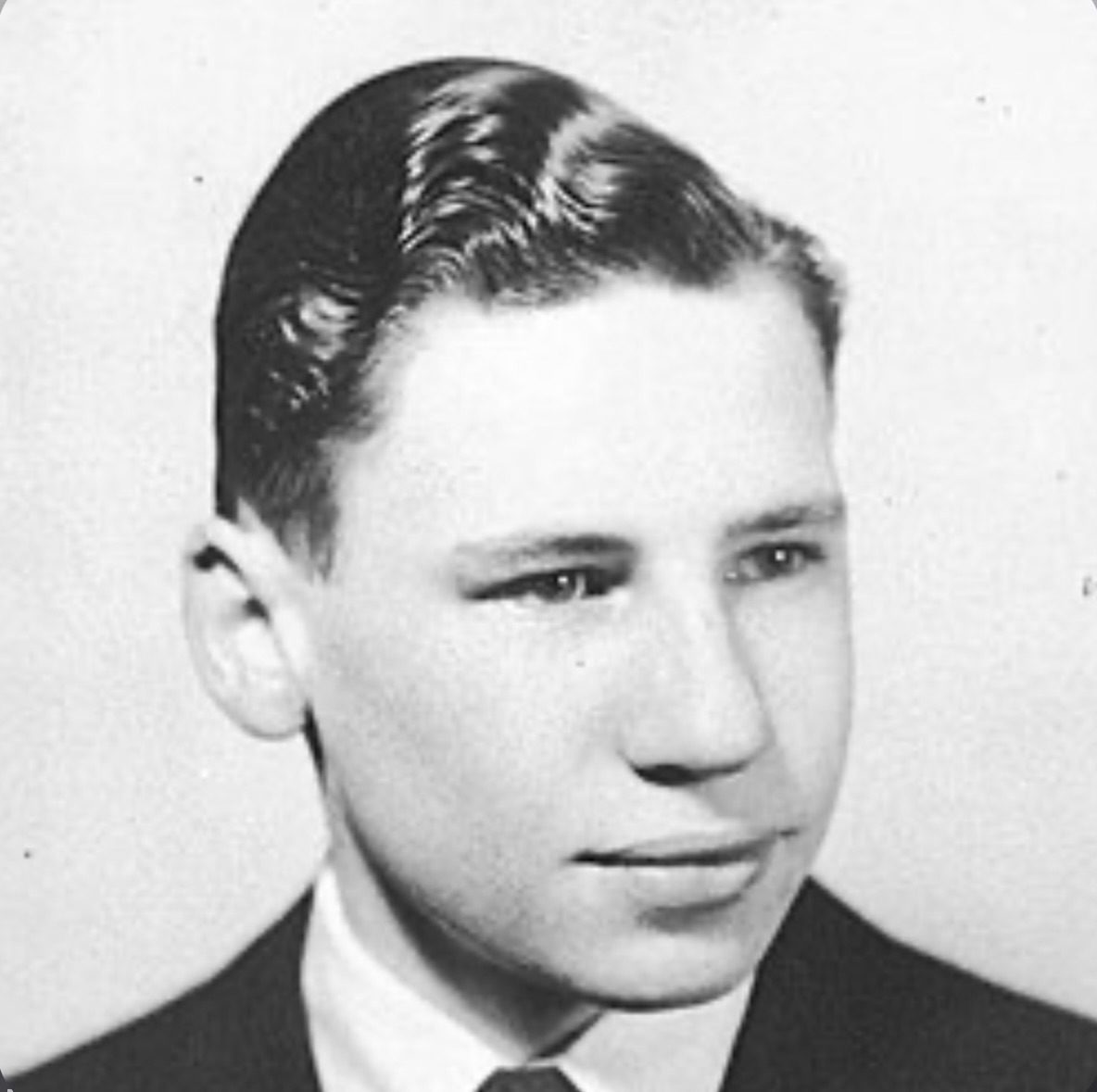
It was a job where every step could be his last. Yet, right there amid the rubble and the eerie silence following the explosions, a future comedian was being forged. He was learning how to weaponize fear and absurdity, turning them into laughter. Discharged as a corporal in April 1946, Brooks didn’t pursue a technical or military career. Instead, he gravitated toward a world that felt lighter and louder: the entertainment industry. He started out making a living as a musician, playing drums and piano at resorts in the Catskill Mountains—the famous “Borscht Belt” where Jewish-American families vacationed. Slowly, Mel began writing jokes, improvising routines, and parodying movie stars.
The 2000 Year Old Man and the Birth of Absurdity
In the 1950s, Brooks landed exactly where American television comedy was first learning to speak its own language: the writers’ room for Sid Caesar’s show. From the outside, the gig looked glamorous. On the inside, it was a daily bare-knuckle brawl for screen credit and a decent paycheck. As a freelance writer, he pulled in about $50 a week—a sum that barely kept him afloat.
It was during this chaotic period that Brooks met Carl Reiner, sparking one of the most iconic comedy duos of the era. Together, they created a sketch that outlived both the decade and the show’s format: the “2000 Year Old Man.”
The premise was simple, almost minimalist. Reiner played the straight-laced interviewer, and Brooks played a man claiming to have lived for two millennia, witnessing everything from biblical miracles to modern politics. The true genius of the sketch, however, wasn’t just the concept. It was the way Brooks demolished all narrative logic, turning historical events into a rapid-fire stream of pure absurdity.
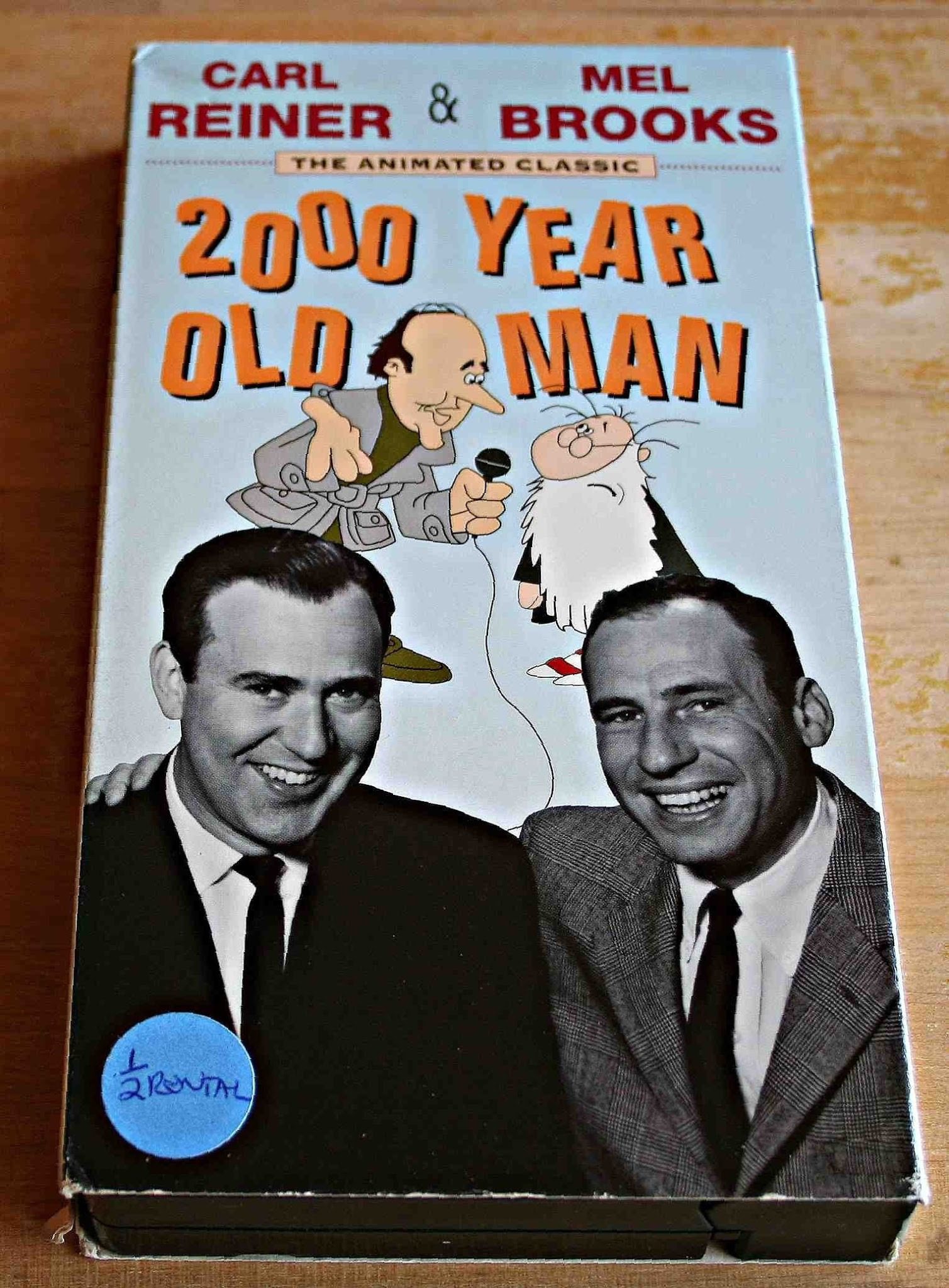
Their improvised banter quickly outgrew television. The sketches were recorded on comedy albums that sold like crazy, becoming a cultural phenomenon in their own right. This was no longer just a joke; it was a highly recognizable mindset where history was merely a playground and logic was just a starting point.
“Tragedy is when I cut my finger. Comedy is when you fall into an open sewer and die.” — Mel Brooks
Laughter as a Weapon: The Cinema of Mel Brooks
In the second half of the 20th century, Mel Brooks stepped into a cinematic territory where the rules simply did not apply. His films didn’t just tell stories; they dismantled entire genres—from Westerns to sci-fi—and reassembled them in the funhouse mirror of parody.
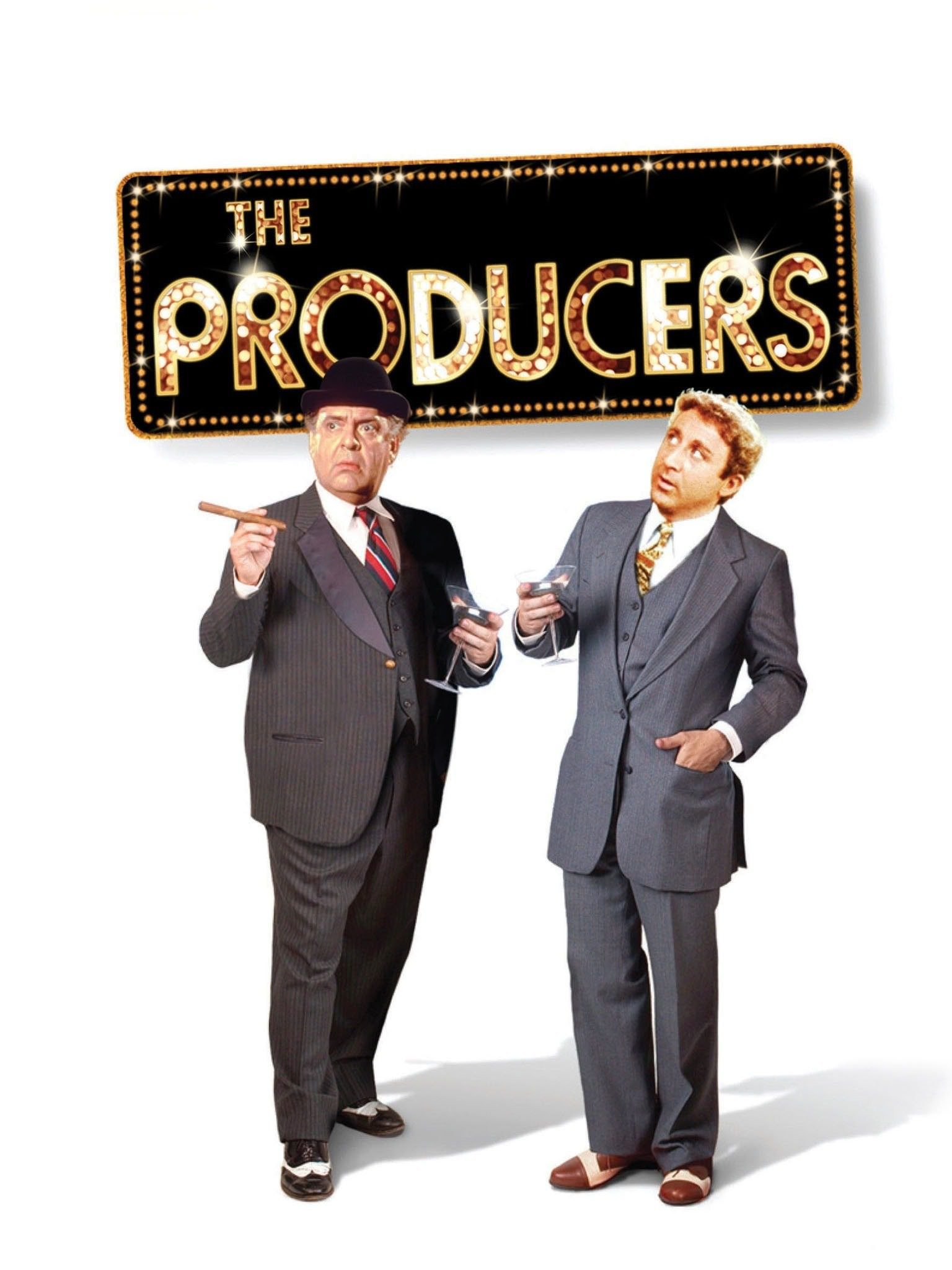
He delivered his first massive strike in 1967 with The Producers. The premise was aggressively provocative: a theatrical producer and a timid accountant hatch a scheme to get rich by deliberately staging a Broadway flop conspicuously titled Springtime for Hitler. Where others saw career suicide, Brooks saw comedy gold. The film became an unexpected triumph, earning him an Academy Award for Best Original Screenplay and eventually transforming into a blockbuster Broadway musical.
Brooks didn’t slow down; he only expanded his playing field. In 1974, he released two films that permanently cemented his reputation as the king of cinematic parody. Blazing Saddles took a sledgehammer to the tropes of the American Western, while Young Frankenstein brilliantly recreated and skewered classic horror. Both films weren’t just box-office smashes—they practically rewrote the language of film comedy.
More than a decade later, in 1987, Brooks launched his signature irony into orbit. Spaceballs was a hilarious, unapologetic spoof of the Star Wars craze and broader sci-fi culture, featuring a stellar cast that included Bill Pullman, John Candy, and Rick Moranis.
Despite the wildly varying backdrops—from Nazi satire to a galaxy far, far away—a consistent authorial voice runs through all his work. As a Jewish-American and a WWII veteran, Brooks never shied away from subjects others considered taboo. Instead, he mined them for comedic material, operating under the staunch belief that laughter can disarm even the darkest evils.
“Humor is just another defense against the universe,” he famously noted.
To truly understand Mel Brooks, you can’t just watch his movies as lighthearted comedies. There’s an underlying truth he never tried to hide or soften.
“I love being Jewish. I love Jewish humor,” he once said.
That brand of humor—born from the experience of surviving under constant threat and tension—became an elite weapon in his hands.

In Blazing Saddles, he treads onto dangerous ground where comedy could easily backfire. Racism in the film isn’t glossed over or sanitized; it is placed directly in the crosshairs of his ruthless satire. The idea of a Black sheriff in a deeply bigoted Wild West town sounds like a punchline, but it functions as a sniper-like takedown of prejudice and the very mechanics of bigotry.
Through his cinema, Brooks repeatedly proves one profound point: laughter isn’t always an escape from reality. Sometimes, it’s the best way to dive headfirst into it, calling things by their true names while the rest of the world cowers in silence.
A Love That Outlasted the Jokes and Time
In the public eye, Mel Brooks has always played the role of the man who takes absolutely nothing seriously. But off-camera, his story was much quieter and infinitely deeper. At the center of that story was actress Anne Bancroft.
They came together as polar opposites—the kind that usually clash in real life. She was an Oscar-winning dramatic heavyweight, an actress who measured the gravity of every on-screen gesture. He was an eccentric writer and director who believed the world ran on absurdity and punchlines. Yet, defying all odds and Hollywood expectations, they married in 1964.
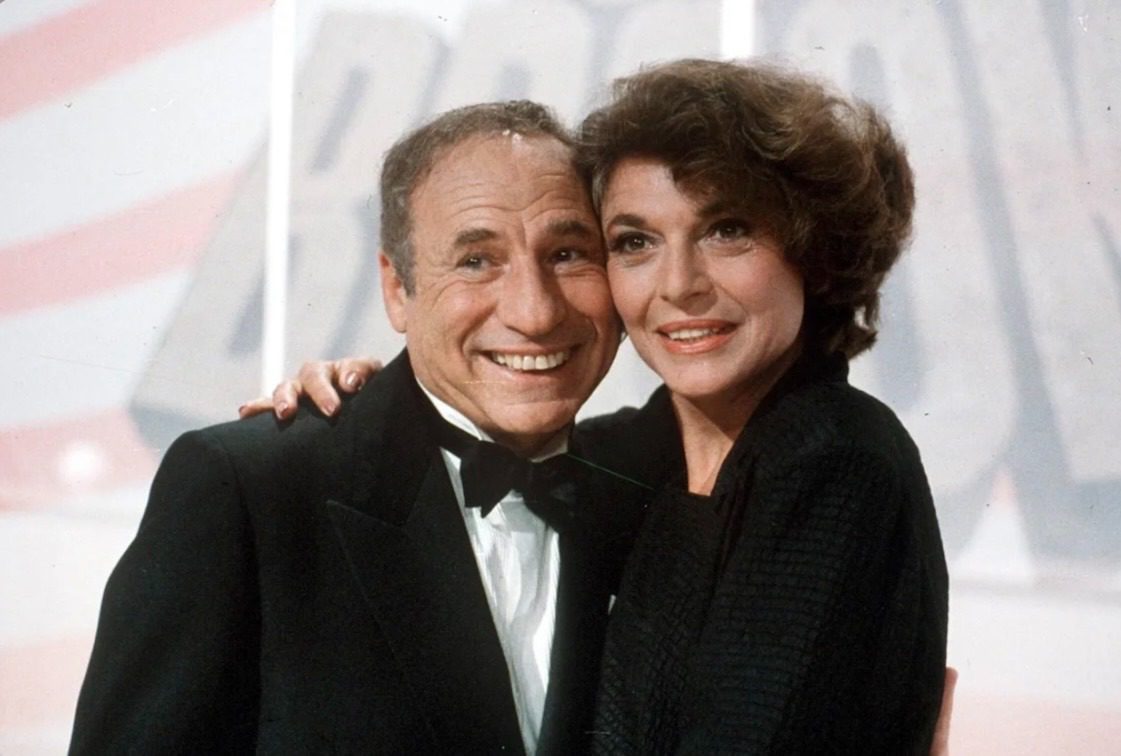
Their union proved astonishingly resilient. They spent 41 years together until Bancroft’s passing in 2005. In Hollywood, where lasting marriages are the exception, their relationship was a genuine phenomenon.
Bancroft never hid the fact that she fell in love quickly and completely. In a 2000 interview, she recalled:
“He makes me laugh a lot. I get excited when I hear his key in the door. It’s like, ‘Ooh! The party’s going to start!'”
In 1972, the couple welcomed a son, Max. He forged his own path and became a wildly successful author. His most famous novel, World War Z, deals with an entirely different kind of disaster, yet it explores a familiar theme: how human beings hold themselves together in the midst of total chaos.
In the Brooks household, laughter wasn’t just a stage trick; it was a way of life. And it seems that laughter was the very glue that held their love story together longer than any Hollywood contract ever could.
Life as an Endless Punchline
On the verge of turning 100, Mel Brooks has long ceased to be just a filmmaker. He has evolved into a living cultural monument, operating outside the bounds of calendars and eras. Today, his story isn’t a retrospective; it’s an ongoing process that simply refuses to pause. The documentary Mel Brooks: The 99-Year-Old Man! (by Judd Apatow and Michael Bonfiglio) serves as a perfect testament to this. The film gently reminds us that while any long life has its cracks and tragedies, they never drown out the voice of humor—if anything, they give it more depth.
And if anyone thinks this kind of boundless energy must have an expiration date, Brooks regularly proves them wrong. In 2023, he made a triumphant return to the screen with the series History of the World, Part II, once again shuffling historical facts as if the past exists solely to be mocked. And looking ahead, there’s another massive comeback on the horizon: Spaceballs 2, slated for 2027.
His hardware collection has long since cemented his ultra-rare EGOT status—the ultimate hallmark of show business supremacy. But for Brooks, it doesn’t feel like a final bow. It’s just another milestone in a life of perpetual forward motion.
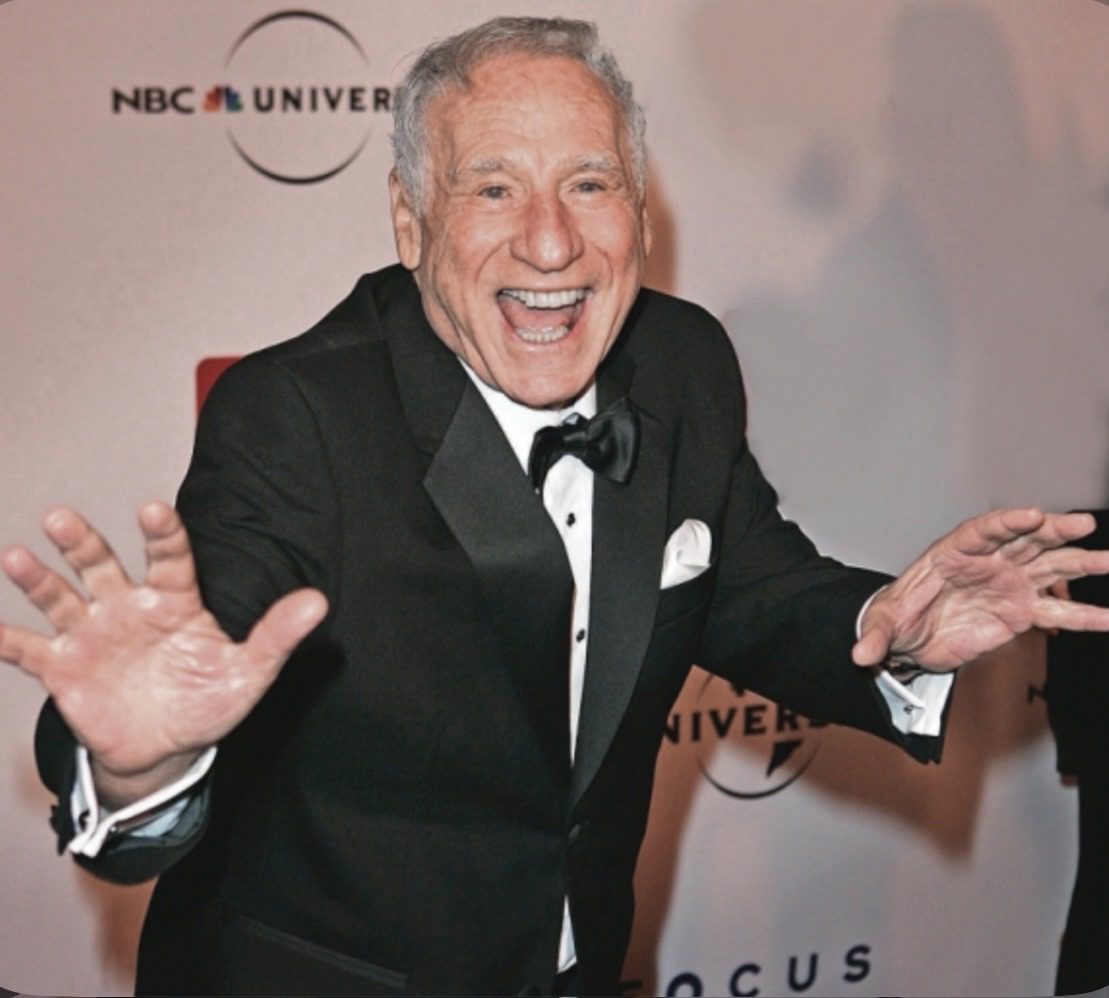
His journey from a Brooklyn kid to a WWII combat engineer, and from a TV writer to a director who rewrote the laws of comedy, doesn’t fit the mold of a traditional success story. Rather, it is living proof that humor can be a survival mechanism, a language of resistance, and a profound form of memory all at once.
That is precisely why his legacy has no expiration date. It lives on—in his films, in razor-sharp quotes, and in the roaring laughter of audiences who crack up exactly where they are usually expected to stay respectfully silent.