

He is instantly recognized by the iconic polo player on horseback, Polo shirts, classic tailored blazers, sporty elegance, and a distinct aesthetic that blends the American Dream, British heritage, and the romance of countryside living. Lauren offered customers something that fundamentally stood out from the typical menswear of the era: wide, striking ties crafted from premium fabrics. Those very neckties marked the beginning of a brand that would eventually grow into a global lifestyle powerhouse. Read more on newyorkski.info.
Biography
Ralph Lauren was born Ralph Lifshitz on October 14, 1939, in the Bronx, New York, the youngest of four children. In his teens, he changed his last name to Lauren. During those years, he graduated from DeWitt Clinton High School in the Bronx and enrolled at Baruch College to study business. However, he left before finishing his degree and enlisted in the U.S. Army. After his military service, Lauren returned to civilian life and began building a career in the apparel industry. He did not start out with formal design training; his greatest assets were his singular vision, entrepreneurial drive, and ability to craft not just garments, but an entire way of life.
Following his time in the army, Lauren worked at Brooks Brothers and later became a salesman for a necktie manufacturer. Ties proved to be his gateway into the world of fashion. In the 1960s, menswear was undergoing a period of transformation: young men increasingly sought individuality, and the rigid rules of traditional dress were beginning to loosen. Lauren seized the opportunity to turn the humble necktie into a standout centerpiece of personal style.
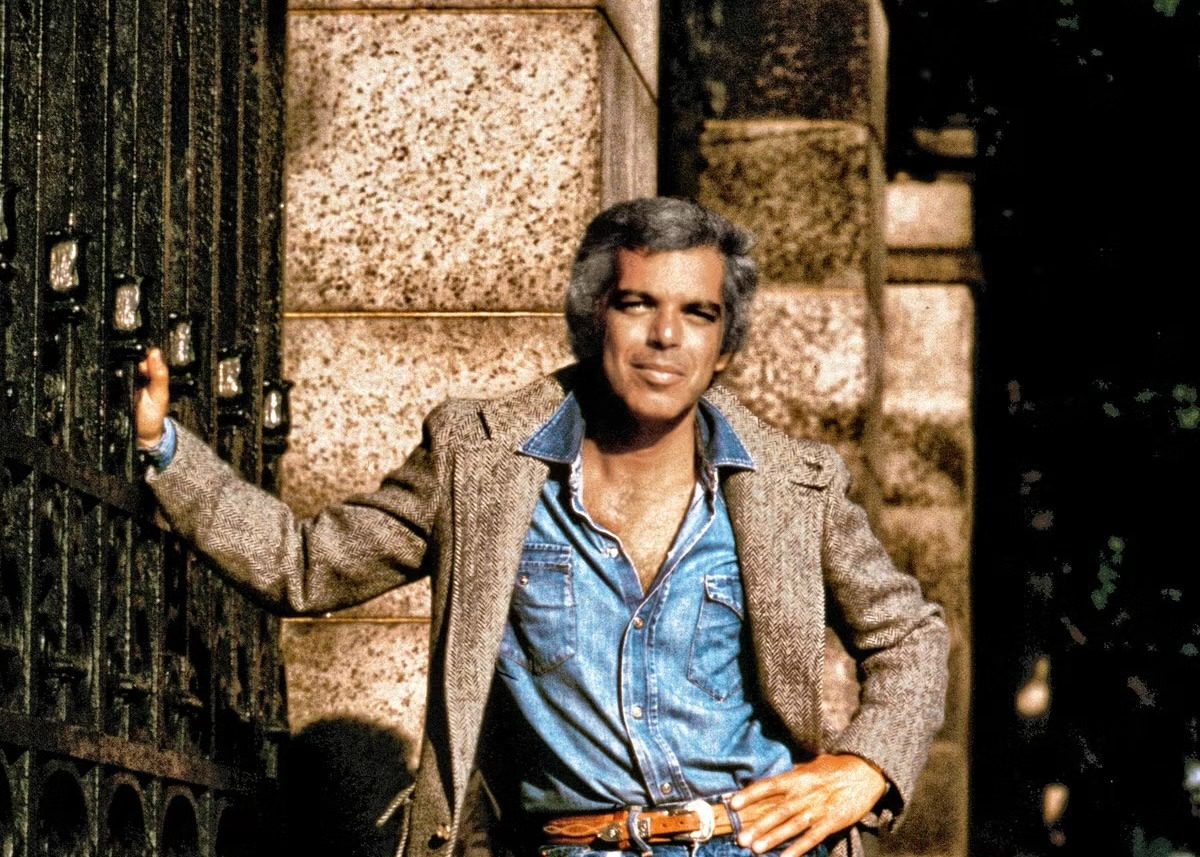
The First Line of Ties
In 1967, he launched his debut necktie collection under the name Polo. It was a defining turning point: Ralph Lauren understood that consumers were looking for more than just an item of clothing—they were buying an aspiration and an emotion.
By 1968, Lauren had unveiled his first full menswear collection, featuring dress shirts, suits, sport coats, and other wardrobe staples. Unlike many designers of the period, Lauren didn’t chase fleeting trends. He focused on timeless style built to endure for decades. His creations fused American athletic heritage, British tailoring, country estates, cinematic romance, and an understated sense of wealth without flashiness.
In 1970, Bloomingdale’s opened an in-store Polo by Ralph Lauren boutique—the first time a department store of that prestige had dedicated a standalone shop-in-shop to a single designer. For the young brand, it was a massive breakthrough. Soon after, in 1971, Lauren opened his first standalone retail boutique on Rodeo Drive in Beverly Hills.
The Polo Logo
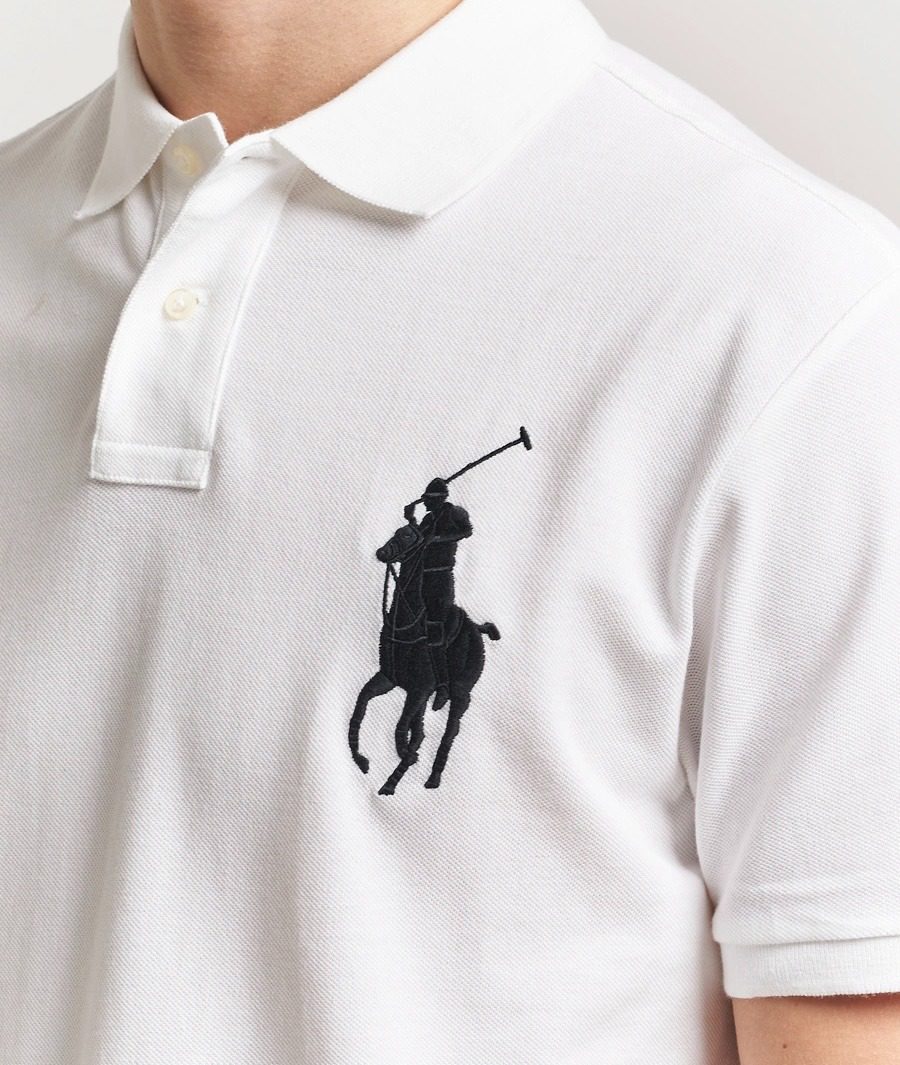
The polo player on horseback is one of the most recognizable logos in global fashion. Interestingly, it did not originate on the classic polo shirt. In 1971, the signature embroidered pony first appeared on the cuff of a women’s tailored shirt, marking the debut of Ralph Lauren’s first womenswear collection.
In 1972, the garment that would become the ultimate hallmark of the brand was introduced: the Polo shirt. Available in a wide spectrum of colors, it seamlessly balanced athletic spirit with classic elegance. The Polo shirt quickly became an essential cornerstone of the American wardrobe. Its genius lies in its simplicity: it isn’t an evening gown or an ornate designer suit, but an understated collared shirt with a button placket and an embroidered pony on the chest. Yet Ralph Lauren elevated it into a symbol of an entire lifestyle.
Ralph Lauren and Hollywood
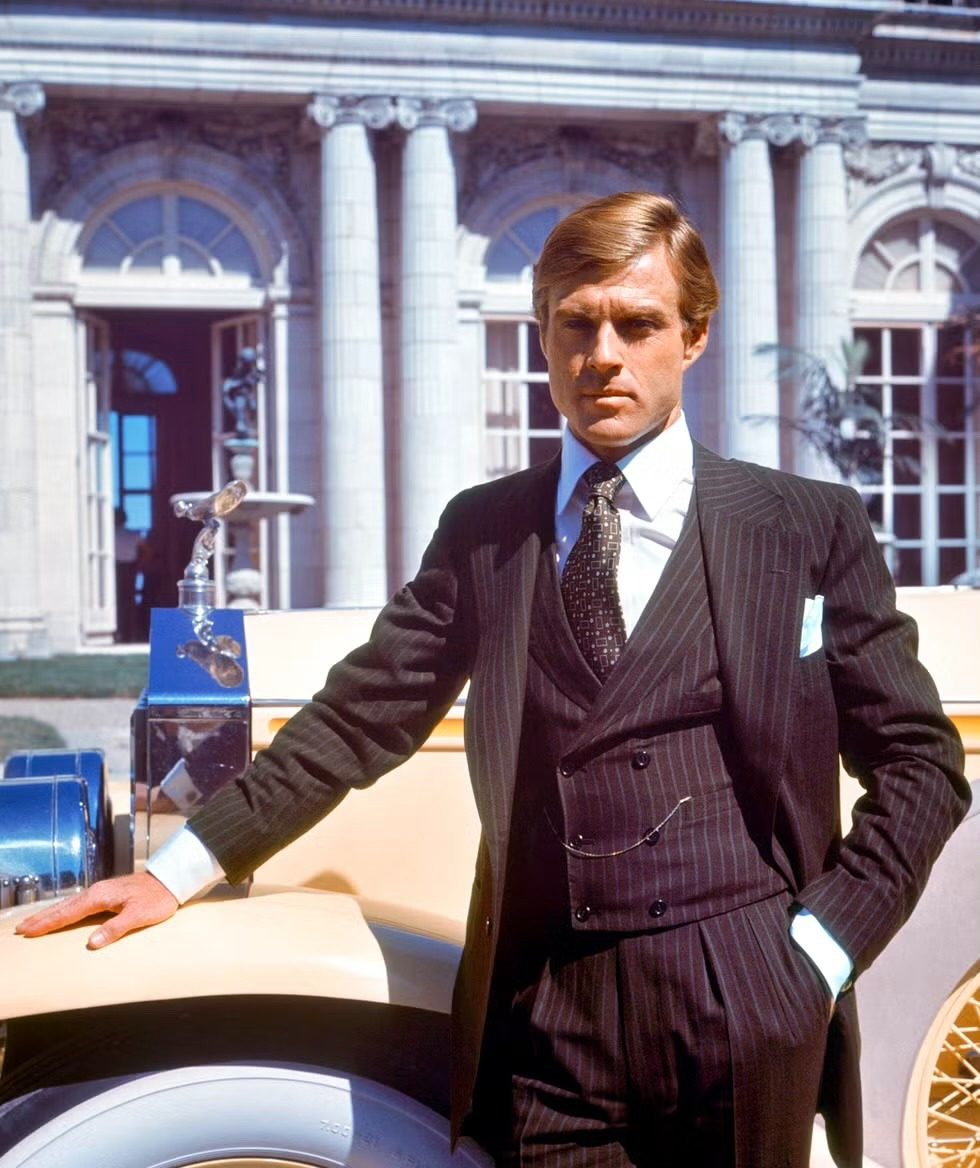
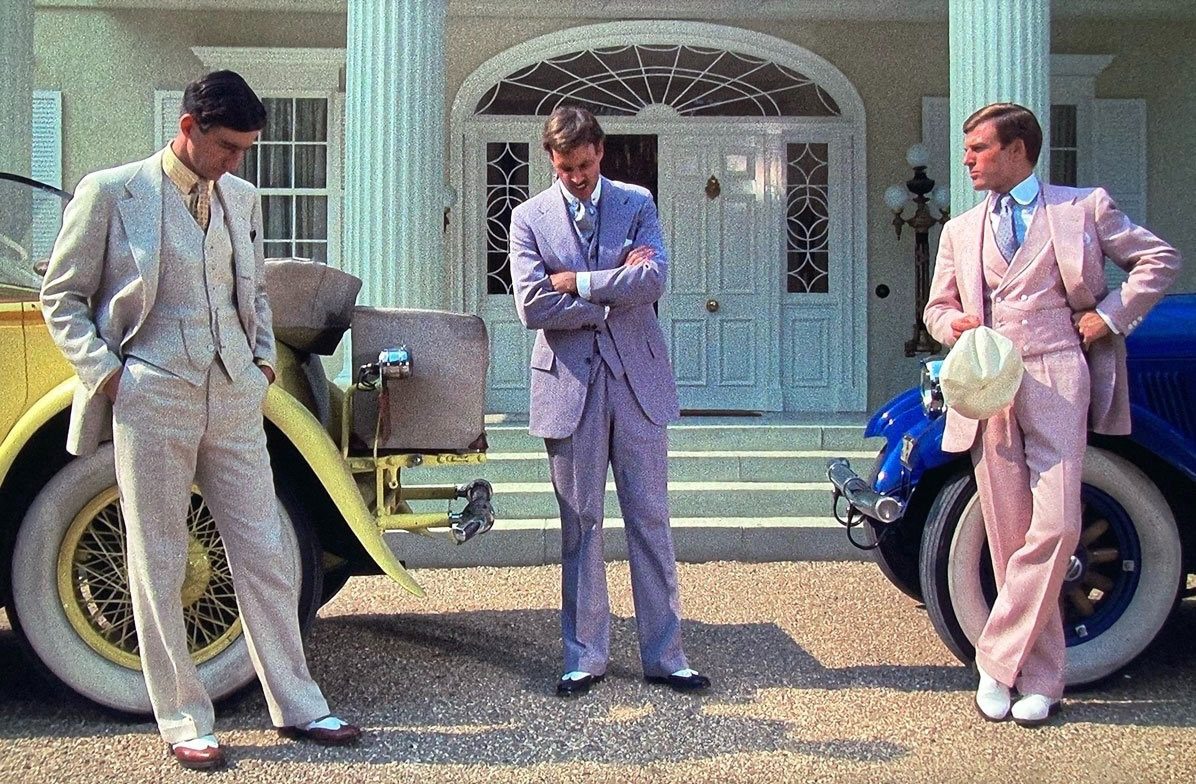
Cinema played an essential role in expanding the brand’s cultural influence. In 1974, Lauren designed the male wardrobe for the film adaptation of The Great Gatsby. The collaboration proved monumental, allowing Ralph Lauren’s designs to move beyond runways and boutiques into the world of film.
A few years later, Ralph Lauren apparel helped define the visual identity of Woody Allen’s Annie Hall. Diane Keaton wore pieces from the brand, and her on-screen character became a timeless fashion reference for incorporating menswear staples into chic, feminine style.
The success of the apparel lines enabled the company to expand into new categories. Over the years, the brand introduced fragrances, home furnishings, activewear, children’s collections, and accessories. In 1978, Ralph Lauren made industry history by simultaneously launching two signature scents: Lauren for women and Polo for men.
The Ralph Lauren Store as a World of Its Own
In 1986, Ralph Lauren opened a flagship store inside the historic Rhinelander Mansion on Madison Avenue in New York City. The landmark building was curated so that stepping through its doors felt like walking straight into one of the brand’s evocative advertising campaigns. It represented a groundbreaking approach to experiential retail.
The store was never meant to be a simple shopping destination; it was designed to craft an atmosphere. Rich mahogany paneling, antique furniture, vintage photography, equestrian details, private-library aesthetics, and refined interiors gave visitors the sensation of entering the private manor of a movie character.
In September 2015, Ralph Lauren announced he was stepping down as CEO of the company. However, he remained closely tied to the brand, continuing as Executive Chairman and Chief Creative Officer. In these roles, he continues to guide the overarching brand vision, design ethos, and strategic trajectory. This structure enabled the company to separate day-to-day corporate management from the founder’s core creative vision.
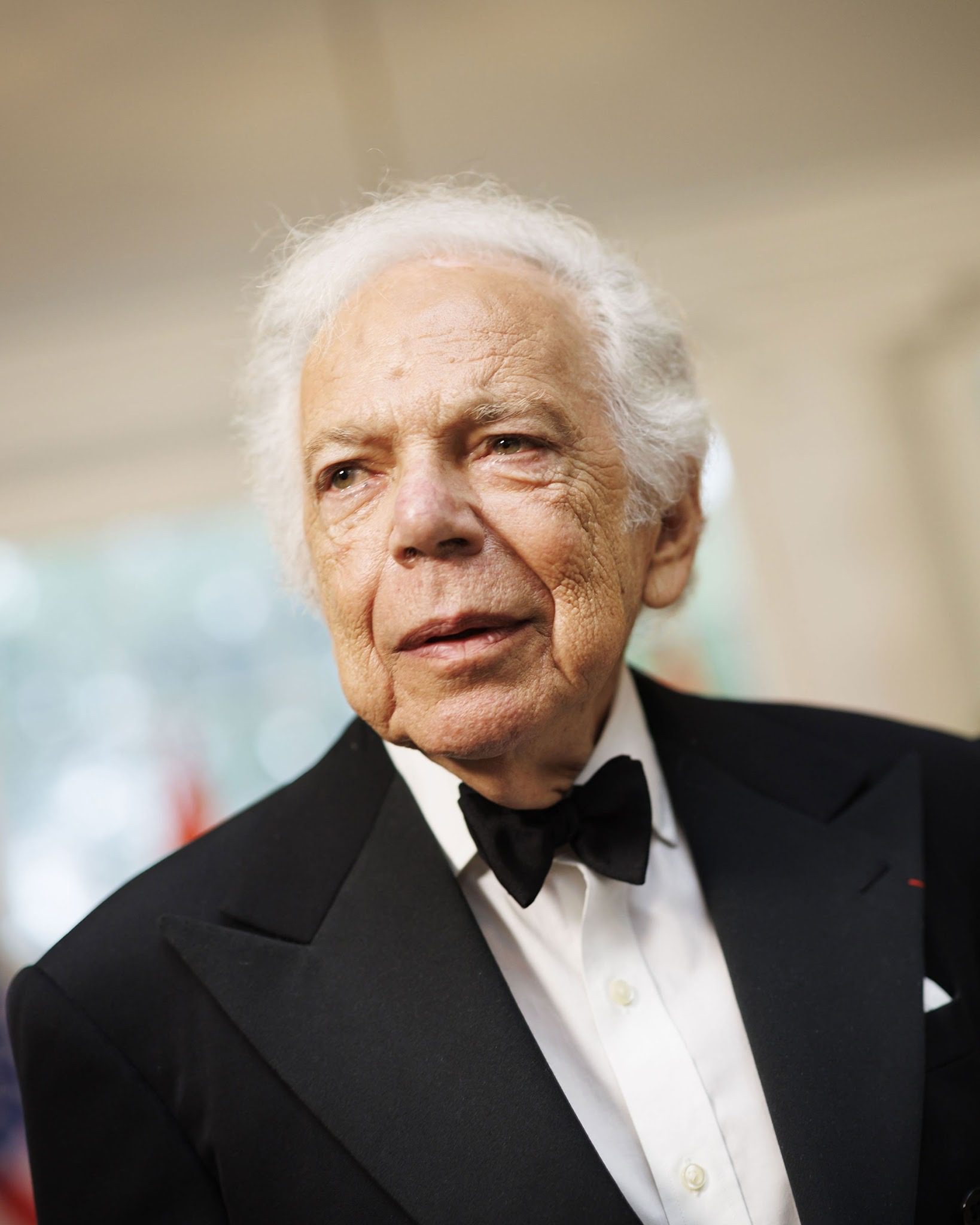
Philanthropy
Ralph Lauren’s journey goes well beyond fashion and commerce. Cancer care and research have long been at the forefront of his philanthropic commitments. In 1989, alongside Katharine Graham, he co-founded the Nina Hyde Center for Breast Cancer Research at Georgetown University.
In 2001, the Ralph Lauren Corporate Foundation established the Pink Pony Fund—an initiative dedicated to supporting cancer care and reducing disparities in early prevention, screening, and treatment. In 2003, the Ralph Lauren Center opened in Harlem through a partnership with Memorial Sloan Kettering and other leading medical institutions.
In 2022, the Ralph Lauren Corporate Foundation pledged $25 million to establish or expand five designated cancer centers across the United States. In 2026, the foundation announced a grant to the University of Chicago Medicine Comprehensive Cancer Center to create the UChicago Medicine Ralph Lauren Center.
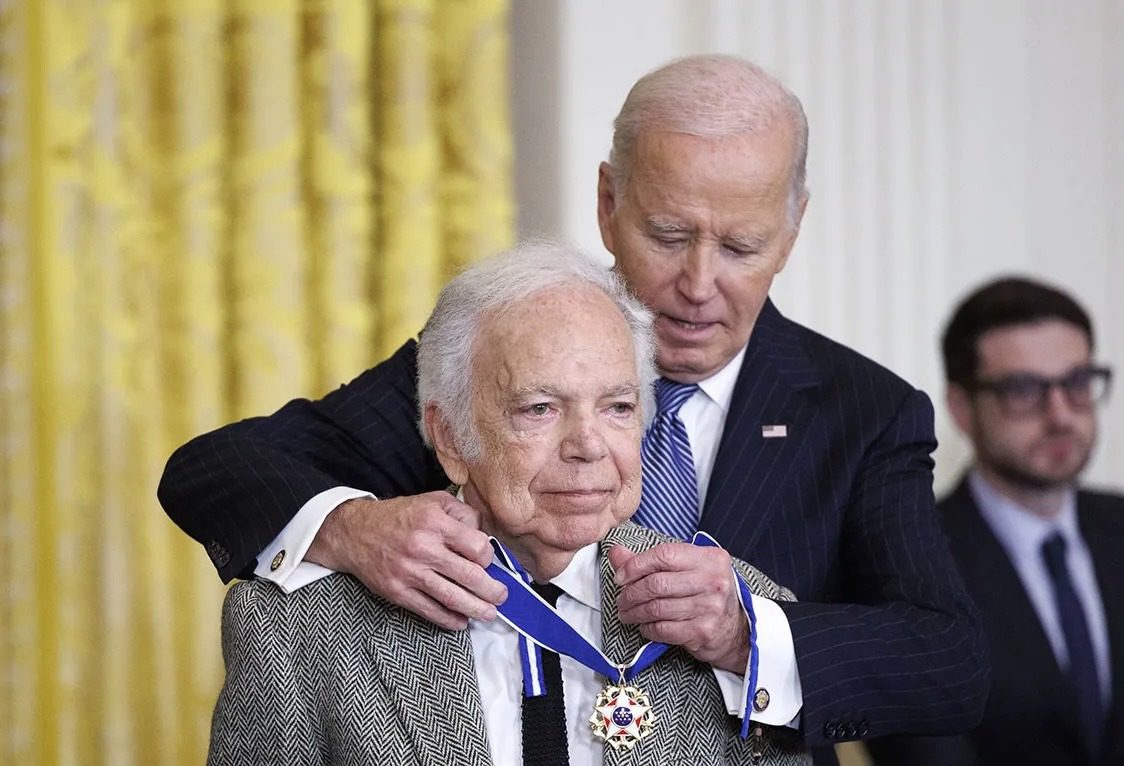
On January 4, 2025, Ralph Lauren was awarded the Presidential Medal of Freedom—the nation’s highest civilian honor [INDEX]. President Joe Biden presented the medal during a White House ceremony [INDEX], making Lauren the first fashion designer ever to receive the award [INDEX]. The honor recognized his enduring legacy as a designer, entrepreneur, business pioneer, and philanthropist. For the American fashion landscape, it marked a historic milestone: Lauren earned national recognition not merely for tailoring suits or iconic shirts, but for embedding his vision into the cultural and design heritage of the United States.
Ralph Lauren is far more than an acclaimed American designer and the founder of the Ralph Lauren Corporation. He is a testament to how an individual’s clear aesthetic vision can evolve into a global cultural language. Perhaps Ralph Lauren’s greatest legacy is that he fundamentally transformed the way we view clothing: he demonstrated that fashion is not just about what hangs in a closet, but about creating an ambiance, telling a story, and bringing an aspiration to life.