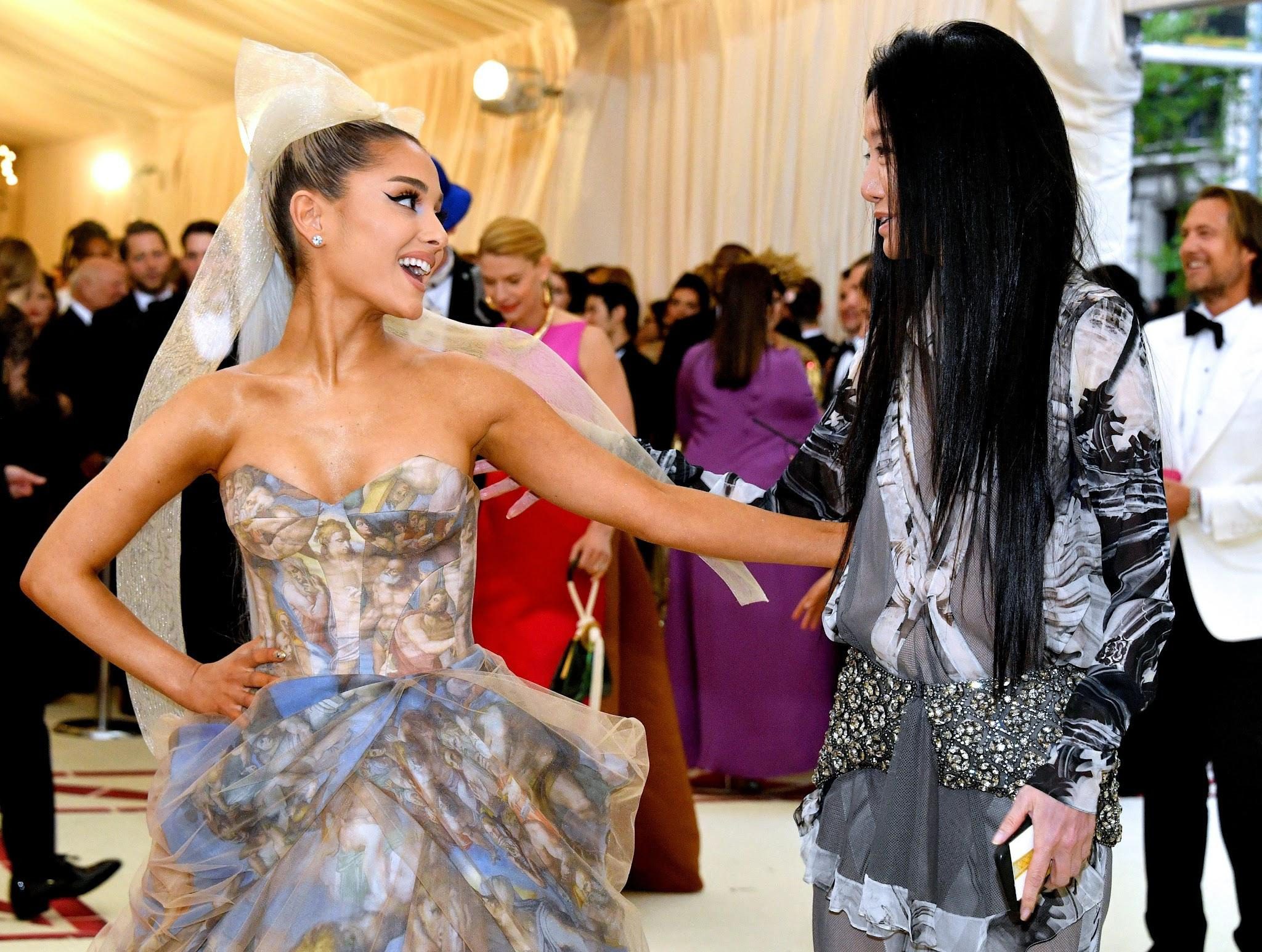
Vera Wang built a bridal brand beloved by global celebrities and brides around the world. By launching a brand-new career chapter at the age of 40, the designer transformed perceptions of bridal fashion and helped countless women express their individuality through exquisite bridal looks. Today, the Vera Wang label is synonymous with elegance, daring design choices, and distinctive personal style. Wang’s trajectory is a testament to relentless hard work, passion for her craft, and steady, hard-earned success—the very qualities that keep her at the forefront of a fiercely competitive industry. How did she achieve this, and what did her journey to the top look like? Discover the story in this article on newyorkski.info.
Vogue and Ralph Lauren: What Vera Wang Did Before 40
Long before the world knew the bridal label Vera Wang, its founder had to build an impressive foundation of experience. Vera Wang was born in New York City to affluent Chinese immigrant parents. Her father was an entrepreneur, her mother had an eye for fashion, and young Vera was naturally drawn to creative pursuits. As a child, she took up figure skating, living a life governed by rigorous discipline and daily training. However, her dreams of an Olympic career were crushed when she failed to qualify for the U.S. Olympic team. Left without a backup plan, Vera found solace in the fashion world. Even as a teenager, her peers admired her innate sense of style and sophistication. Her mother played a pivotal role in nurturing that passion, subscribing to high-fashion magazines, taking her to runway shows, and bringing her along to shop in luxury boutiques. Vera went on to study art history at Sarah Lawrence College, working as a sales assistant at Yves Saint Laurent on the side. Following graduation, she realized fashion was her true calling and planned to pursue formal design studies in New York. Yet that dream hit a wall when her father refused to finance what he considered an impractical career.
The fashion world first took note of Vera Wang in 1971, when she landed an assistant position at Vogue. Within just a year, the 23-year-old was promoted to senior fashion editor, becoming the youngest person ever to hold that role. She had originally caught the eye of the magazine’s fashion director, Frances Stein, while working at the YSL boutique, and Stein accurately predicted a stellar career ahead. Indeed, Wang dedicated 17 years to Vogue. On her very first day, she arrived dressed in an elegant gown, which she quickly had to trade for practical clothes once confronted with the sheer volume of behind-the-scenes physical labor. As Vera later recalled, the film “The Devil Wears Prada” captures only a fraction of the high-pressure reality inside the editorial offices. With virtually no days off and constant travel, she delivered impossible requests on razor-thin deadlines. Yet even when her seniority granted her access to glamorous industry parties, she preferred rolling up her sleeves backstage. Nothing showcased her mindset better: she loved clothes, creative problem-solving, and the craft itself far more than the limelight.
While Vera relished her time in high-fashion editorial, she never abandoned her dream of becoming a designer and communicating her own creative vision. With her father still unwilling to back her private venture, she decided to hone her skills elsewhere and joined Ralph Lauren. At 38, Wang pivoted to design, overseeing accessories, lingerie, and athletic wear for the iconic American brand. She felt immense pride every time she spotted people on the street wearing pieces she had sketched. To Vera, the role felt like an intensive masterclass where she was being paid to learn. Those decades in the fashion industry—first as an editor, then as a designer—refined her eye and sharpened her technical expertise. And then, life took an unexpected turn that would define her entire legacy.
Her Own Wedding: The Turning Point That Changed Everything
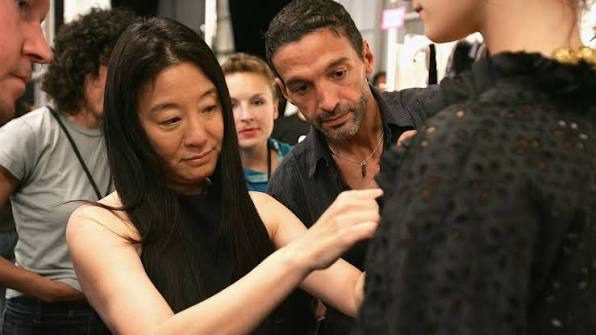
From the moment she finished college, Vera Wang’s life was deeply intertwined with fashion. She was never motivated purely by fortune or fame; she simply wanted to do what she loved and shape cultural aesthetic trends. By her late thirties, Wang was a respected industry insider, perfectly content with her life as an accomplished career woman. She later admitted that if anyone had told her she would get married at 40 and launch a bridal label, she would have burst out laughing. Yet that is precisely what happened. At 39, Vera got engaged to investor Arthur Becker. The milestone sparked a revolution in both her personal and professional life. While her fiancé asked her not to wear anything overly avant-garde, Vera could not compromise her design integrity. She faced a dilemma: how to take traditional bridal conventions and turn them into a stylish, personal statement. Frustrated by the sea of uninspired, cookie-cutter dresses in bridal salons, she decided to design her own gown. In fact, for her 1989 wedding, Wang wore several different outfits—boldly pioneering the modern trend of multiple bridal looks on the big day.
The bridal preparations got both Vera and those around her thinking. Her father, colleagues, and friends watched her design process and pitched an inspired idea: launch her own bridal brand. Her father, who had previously dismissed her entrepreneurial ambitions, now recognized the immense commercial potential of an untapped market niche. Still, it was industry peers who ultimately convinced her to take the leap. Vera worried she was too old to start a brand from scratch, and bridal had never been her intended arena. It was Ralph Lauren who stepped in, convincing Wang that 40 was the perfect age: she would be guided not by naive impulse, but by mature insight and calculated strategy.
In 1990, Vera opened her first bridal boutique at the legendary Carlyle Hotel on Madison Avenue in New York. Initially, she curated and sold dresses from established European and American designers, applying her distinct editorial eye to every selection. Soon, however, she began introducing her own custom designs under the Vera Wang label. Her breakthrough client was Ethel Kennedy, who was planning her son’s wedding and commissioned Vera to craft a gown for his bride. Wang spent eight months perfecting the bespoke design. Lacking the funds for massive runway spectacles, Vera operated on a conviction: a single show-stopping bridal or evening look could generate far more buzz than an entire mediocre collection. She was right. The meticulous craftsmanship and the bride’s glowing appearance spoke for themselves. It marked the launchpad of Vera Wang’s phenomenal ascent—a journey she embarked upon at 40.
How Vera Wang Redefined Bridal Fashion
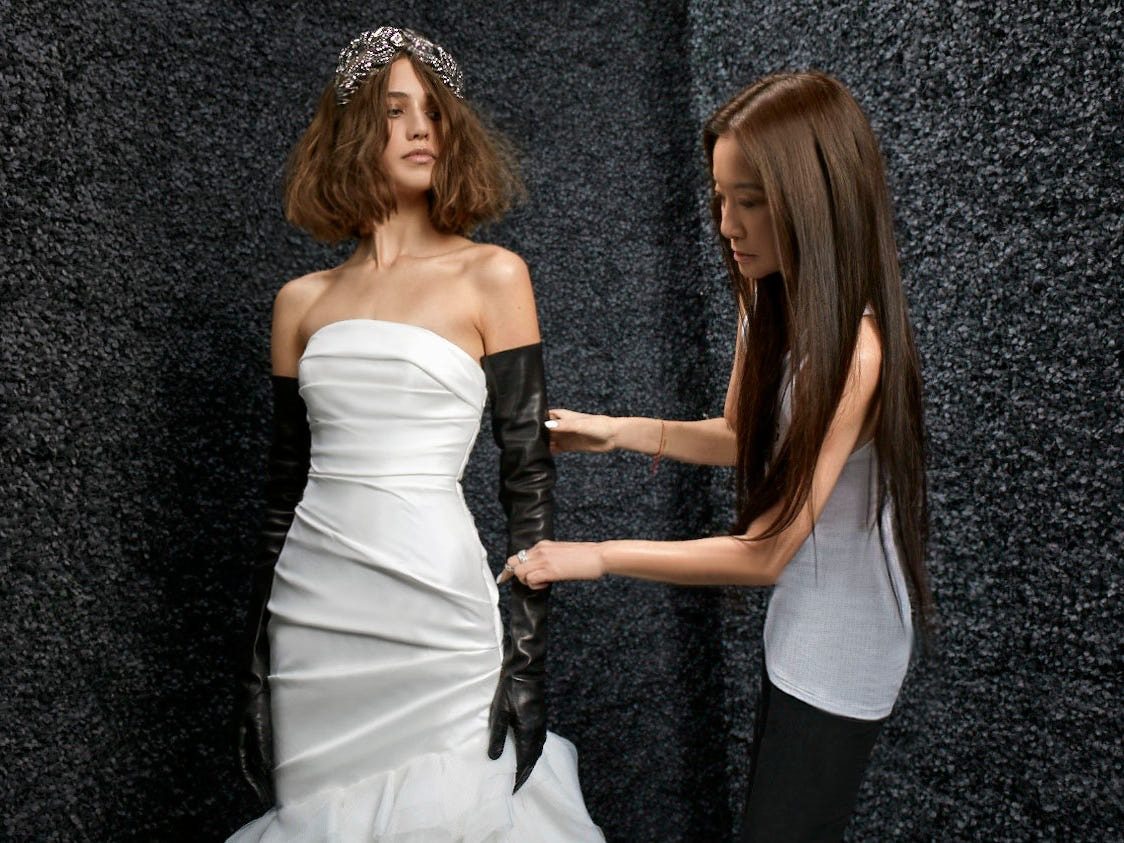
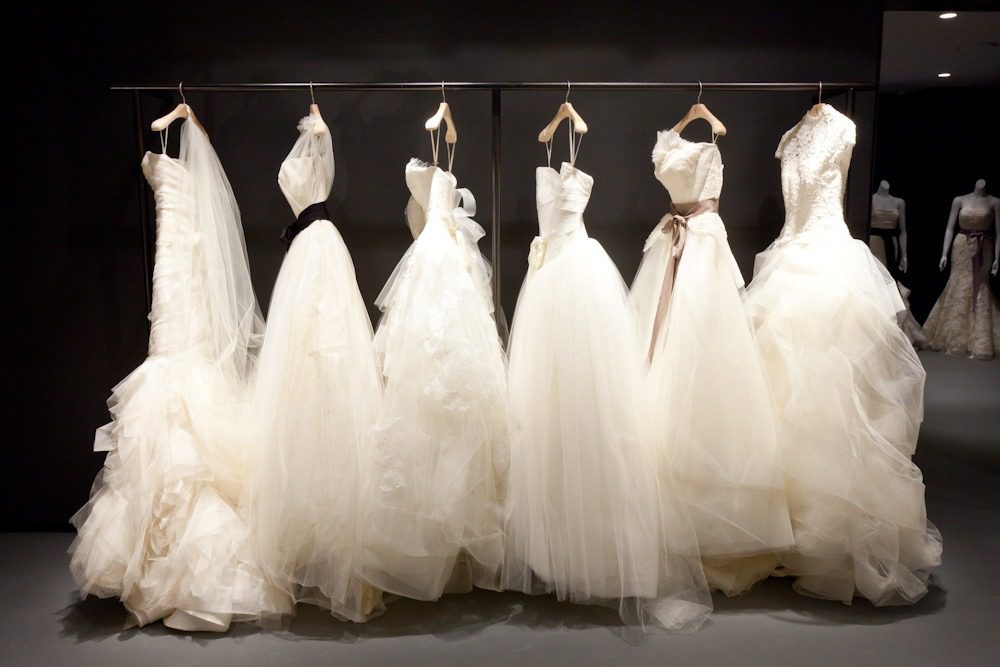
Vera Wang began reshaping bridal fashion with her own wedding gown, and went on to liberate countless brides on one of the most important days of their lives. Everything she created underwent her own rigorous scrutiny. Driven by a genuine obsession with tailoring and style, Wang never did anything halfway. Industry colleagues routinely praised her unmatched understanding of garments and construction. That expertise, paired with relentless work ethic, allowed her to solve a major problem plaguing brides at the time. While bridal salons were flooded with predictable, overly ornate, meringue-like gowns, Vera introduced chic versatility. She began designing dresses that reflected a woman’s stature, personality, and contemporary taste. If modern women expressed themselves boldly through everyday wardrobe choices, why should they settle for generic conventions at the altar? Wang’s tailored, individualistic approach revolutionized the bridal landscape.
The Vera Wang brand introduced brides to modern coolness, architectural sophistication, and effortless drama. Her collections showcased intricate layering, asymmetric necklines, deconstructed silhouettes, delicate detailing, and unexpected palettes. Vera herself described her signature aesthetic as an interplay between romance and sensuality. To the traditional public, her gowns often felt like high-fashion experiments, but Wang knew exactly what she was doing. Beneath the sheer illusions, airy tulles, and daring cutouts lay immaculate corsetry and a refined sense of proportion that never crossed into vulgarity. Crucially, each piece was tailored to the woman wearing it. Vera weighed every bride’s character, physicality, and the message she wanted to broadcast to the world. That level of precision was vital, as her clientele quickly grew to include A-list stars where there was zero margin for error. Vera Wang became the go-to designer for celebrity weddings. Wearing Wang became a badge of elite taste and luxury. Her high-profile bridal clients included Victoria Beckham, Kim Kardashian, Ariana Grande, Hailey Bieber, Mariah Carey, Ivanka Trump, and Chelsea Clinton. Wang’s portfolio defied convention—ranging from ballgowns to minimalist slip dresses, rendered in blush, nude, and even dramatic black.
The soaring reputation of Vera Wang gowns didn’t just captivate the elite; it captured the imagination of everyday brides who dreamed of walking down the aisle in one of her creations. Recognizing this widespread demand, Vera launched more accessible bridal collections. This was a defining moment for both the designer and her audience, proving that cutting-edge bridal design did not have to come with a six-figure price tag. In no time, Vera Wang became a pop-culture fixture. Her dresses were immortalized in iconic films and television series, from “Sex and the City” and “Bride Wars” to “Gossip Girl”. Millions watched on screen and fell in love with her work. Yet Wang’s greatest triumph went far deeper than celebrity endorsements: she gave modern brides the confidence to embrace their authentic identity.
From Wedding Gowns to a Global Empire: The Secret to Vera Wang’s Success
Rather than resting on her bridal laurels, Wang capitalized on her brand momentum and diversified into a lifestyle powerhouse. She expanded her universe to include fragrances, fine china, luxury bedding, fine jewelry, and men’s formalwear. Standouts among her ventures included the ready-to-wear Simply Vera line, red-carpet evening gowns, high-fashion runway shows, and Olympic figure skating costumes. In each sector, Wang brought a fresh, elevated perspective. Recognizing that red-carpet galas were just as meaningful for modern women as wedding ceremonies, she dove headfirst into eveningwear. Meanwhile, her athletic background gave her unique insight into the technical needs of champion figure skaters, who competed and won medals in custom Wang costumes. By adhering to a philosophy of relentless innovation and self-refinement, she cemented her status among the world’s most enduring fashion visionaries.
Vera Wang is not someone who believes in overnight success. Her journey is living proof that true mastery demands time, grit, and tireless effort. That is precisely her advice to aspiring designers: master the craft and never expect instant accolades. Launching her brand at 40, Wang maintains that she could not have succeeded any earlier. The seventeen years at Vogue and her tenure at Ralph Lauren were the crucible where her skills were forged. The true benchmark of her work has always remained modern relevance: if an idea feels too predictable or nostalgic, it fails to meet her exacting standards. Across her entire career, Wang has been propelled by genuine love for what she does—a mindset she urges everyone to adopt, regardless of their field. Above all, her philosophy is disarmingly simple: stay true to your voice, listen to your audience, and never be afraid to take that first bold step.