

This is one of the oldest free classical music concert series in the U.S., held outdoors in Central Park, New York, for over 100 years. These are not just concerts—they are a tradition of the city’s summer, a symbol of the accessibility of art and music for all New Yorkers, regardless of age or social status. Read on newyorkski.info for the history of this wonderful tradition and the people behind it.
Elkan Naumburg: The Man Who Gave Music to the City
When Elkan Naumburg arrived in America as a fifteen-year-old boy, he had only two things: quick wits and a deep love for music. Born on January 1, 1835, in Bavaria, he came to Baltimore in 1850 to start a new life from scratch. Working in his brother-in-law’s dry goods store, young Elkan saved his first dollars not for entertainment but for tickets to the concert hall to hear virtuosos like Vieuxtemps or Thalberg. Yet, one frustrating incident remained in his memory forever: he could not scrape together seven dollars to attend a performance by the legendary Jenny Lind. Perhaps this very disappointment fueled his dream—to make music accessible to everyone.
In 1853, Elkan moved to New York, where he founded his own clothing manufacturing firm. The business quickly flourished, and Naumburg himself became one of the city’s most successful entrepreneurs. It is said his company tailored the “Sunday Best” suits—elegant clothing for Sunday outings that became a symbol of the affluent urban class. But even amidst financial success, Elkan’s heart remained devoted to music.
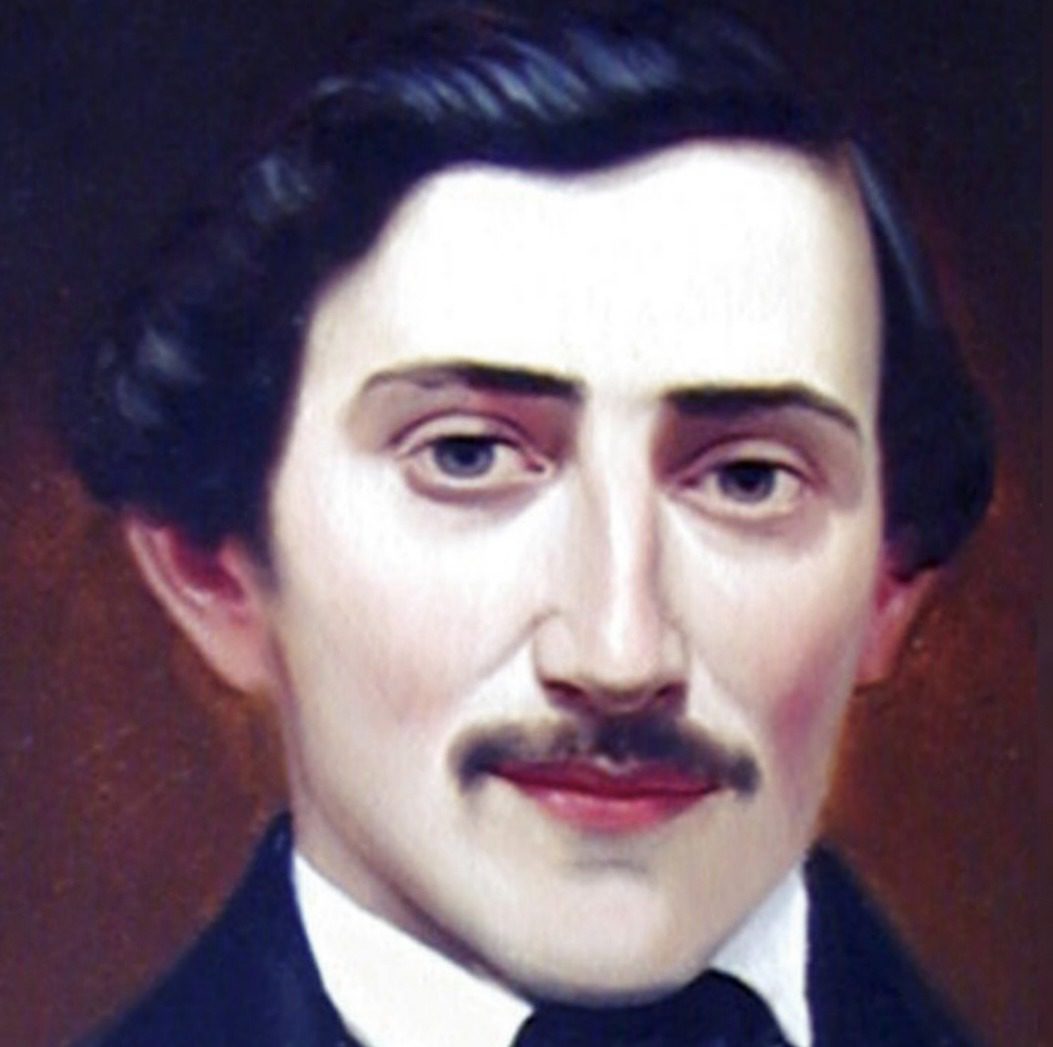
His house on 23rd Street became a true music salon. Chamber music was played there every Sunday by figures like Leopold Damrosch, Theodore Thomas, and Richard Arnold. In 1873, the New York Oratorio Society, which still exists today, was founded right in his parlor. The name was coined by Elkan’s wife, Bertha, the inspiration for many of her husband’s creative endeavors. It was members of this society, including Louise Whitfield, who inspired philanthropist Carnegie to build the famous Carnegie Hall.
Naumburg did not limit himself to private evenings. He funded scholarships for musicians at Harvard and Agnes Scott College, established a pension fund for the New York Philharmonic, and became one of the few laypeople elected as its honorary member.
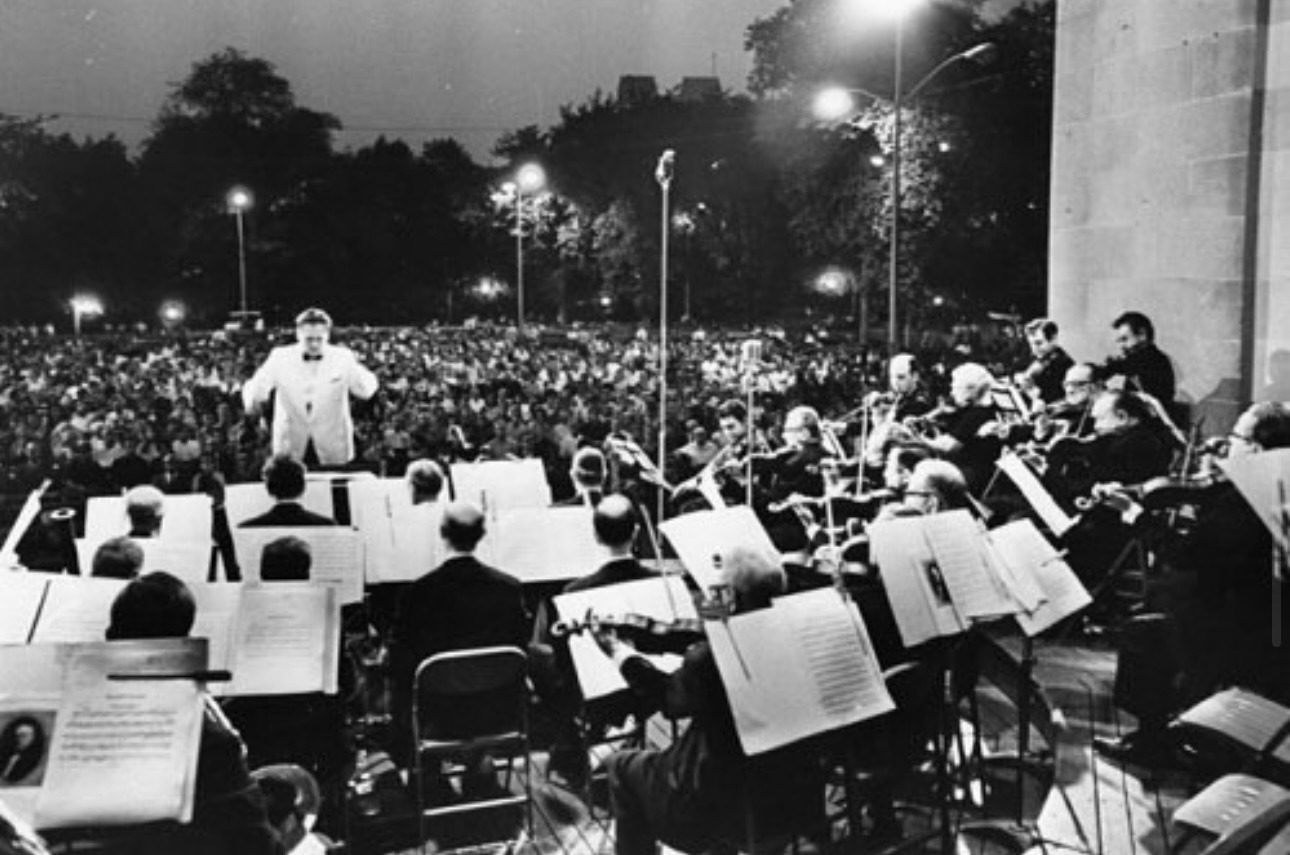
In the early 20th century, Elkan conceived something grander—to bring music out of the concert halls and into the park, directly to the people. In 1905, he initiated a series of free concerts in Central Park.
“Mr. Naumburg is the first, and for many years was the only, philanthropist who has given music to the people of New York free of charge,” The New York Times wrote in 1924.
Elkan personally selected the programs and soloists and even checked the acoustics. His concerts took place on holidays, drawing thousands of people: workers, children, tourists, and aspiring musicians. Despite his wealth, Naumburg remained a humble man. He believed that music should be a common good, not a privilege:
“I built no palace—only a place where everyone can hear music.”
The Temple of Music in the Heart of Central Park
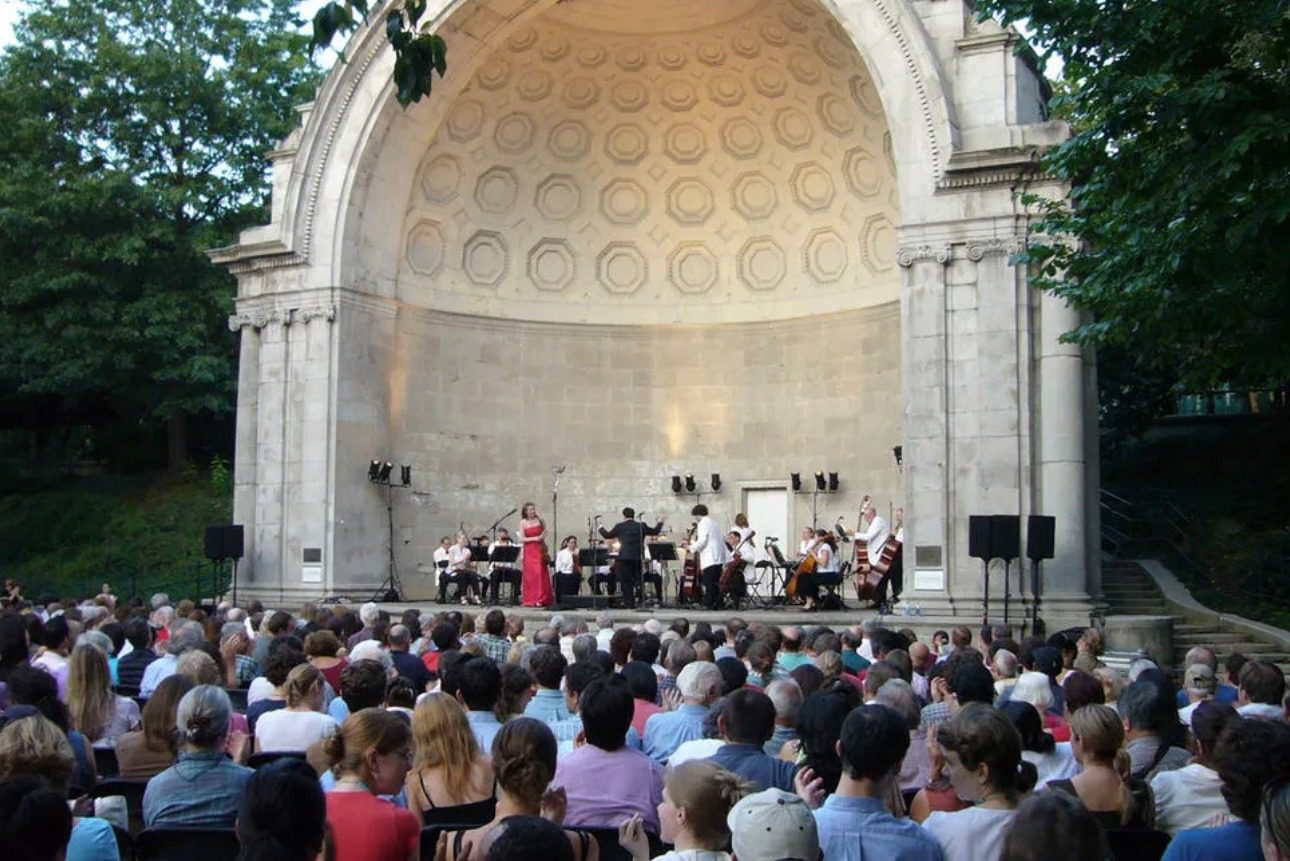
The Naumburg Bandshell was designed in 1916 but only opened seven years later, on September 29, 1923. Elkan deliberately delayed construction, feeling it was inappropriate to build a structure dedicated to entertainment during World War I. When peace finally came, his vision was realized.
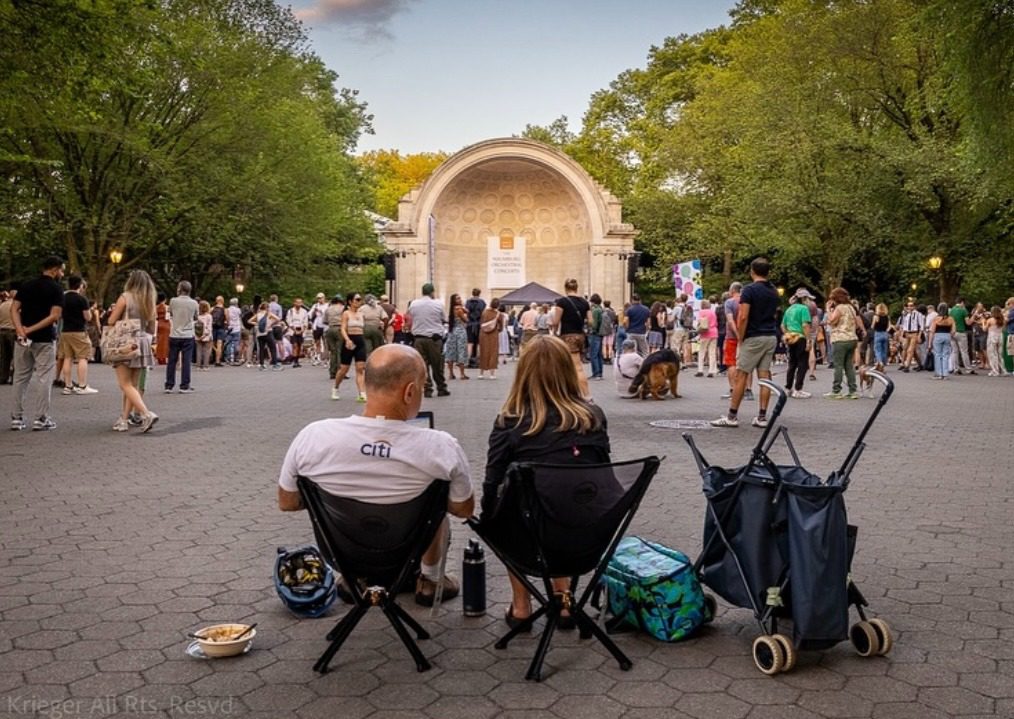
The project was created by architect William G. Tachau, Elkan’s nephew. His semicircular bandshell, made of Indiana limestone, combined the elegance of ancient forms with acoustic innovation. Tachau invented a special design—a double shell—that merged aesthetics with scientific precision. The outer dome, with 16 carved relief panels, protects the stage from the weather, while the inner dome, made of cast caisson panels, reflects sound so that every note reaches even the furthest listeners. The stage accommodates 75 musicians, and the sound is calculated for an audience of up to 70,000 people—a true marvel of engineering for its time.
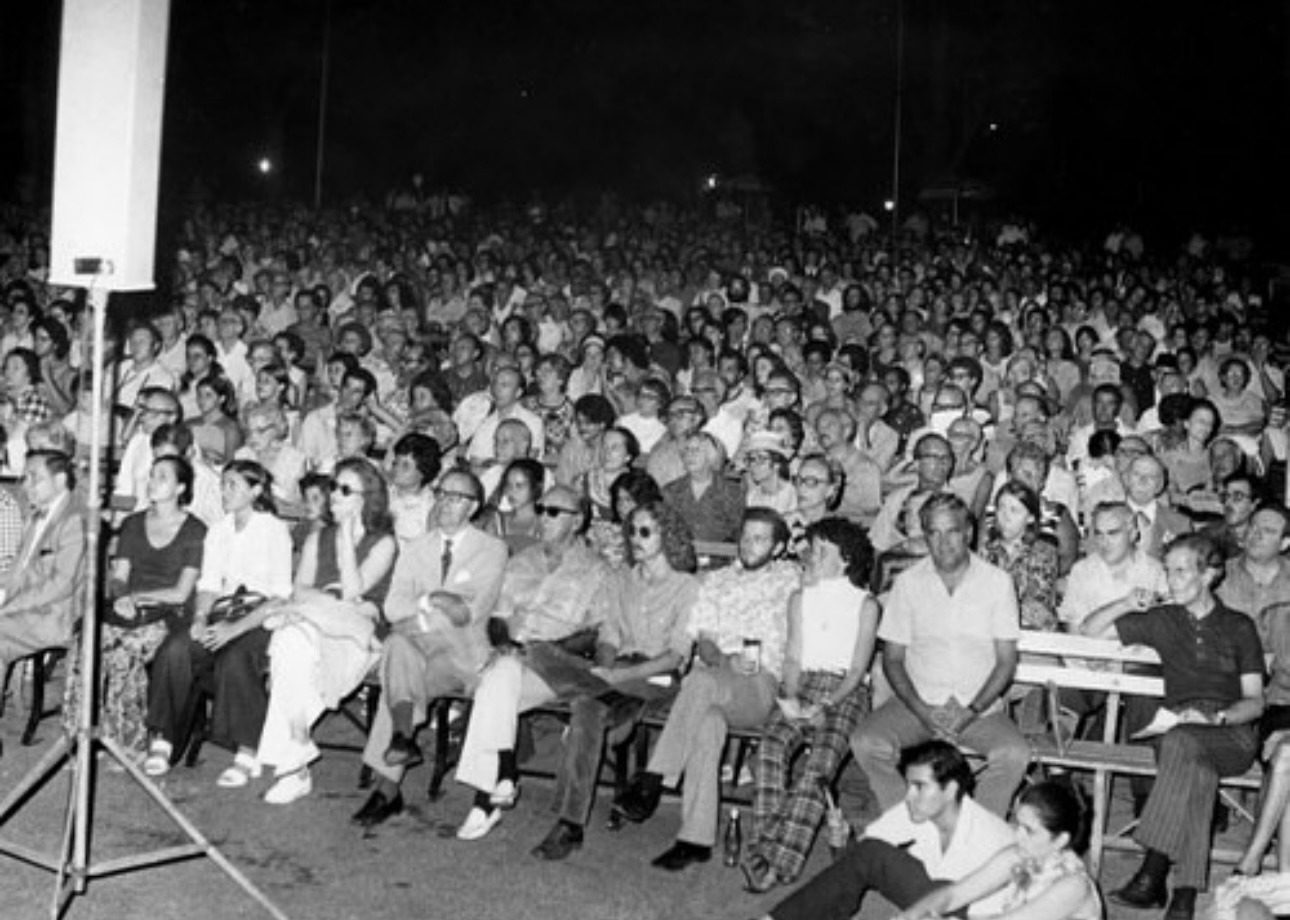
When the dedication ceremony finally took place, Elkan was 89 years old. He stood at the center of the crowd, which numbered about ten thousand spectators. The orchestra was conducted by Franz Kaltenborn, and the soloist was Kathryn Linbrook of the Chicago Opera.
The inscription on the bandshell reads:
“Presented to the City of New York and its music lovers by Elkan Naumburg.”
The construction cost $125,000—a colossal sum for that time—but for Elkan, it was not a gesture of luxury, but an act of love for the city that had become his home.
However, the history of this “temple of music” has not always been calm. In 1989, the bandshell was threatened with demolition. Only through public resistance and the formation of the Coalition to Save the Naumburg Orchestral Shell was this architectural and musical heritage defended. A court ruling in 1993finally halted the demolition plans.
Over the decades, the stage has hosted not only musicians but also historical figures—Martin Luther King, Eleanor Roosevelt, and John Lennon. Each left the imprint of their era on this stage.
The structure saw another revival in 2020-2021 when it was restored with funding from a city grant, the Paulson Family Foundation, and a donation from Judith Naumburg. Today, the bandshell shines again, as Elkan intended—as a stage for free concerts, open to the sky, the people, and music.
A Legacy That Resonates Across Generations
After Elkan Naumburg’s death in July 1924, his endeavor did not fade—on the contrary, it turned into a family tradition. His sons, Walter and George Naumburg, took on the honorable mission of continuing the free symphony concerts in Central Park. When Walter died in 1959, his will provided for the creation of a special foundation intended to ensure the concerts would continue as long as they served the community.
Elkan Naumburg’s memory was honored immediately after his passing. On September 14, 1924, a solemn concert was held in his honor in Central Park, drawing about 30,000 people. New York Mayor John Hylan gave a speech, calling Naumburg “the philanthropist who democratized music.” His words, published in The New York Times, became a kind of civic epitaph:
“Mr. Naumburg devoted himself to bringing the blessing of music to the people. His name will forever be associated with the idea of free concerts and the musical development of the city.”
Subsequently, other descendants of Elkan also made their mark in the world of culture.
- Eleanor Naumburg Senger (1900–2000)—his niece, along with her husband Elliott Sanger, founded the legendary radio station WQXR, which remains New York’s only classical music station today.
- Her brother, Ned Naumburg Jr., headed the Naumburg Concerts for over 25 years, and after him, the work was continued by Michelle Naumburg, George Naumburg Jr.’s wife.
- In 1992, the foundation’s president became Dr. Christopher London, Elkan’s great-grandson, who founded the Coalition to Save the Naumburg Bandshell. It was his efforts that helped defend the historic structure from demolition in the 1990s.
- Philip Naumburg (1920–1995)—Elkan’s grandson, was one of the founders of the Santa Fe Chamber Music Festival, one of the most famous in the U.S., and served for many years as a patron and board member of the Naumburg Concerts.
From Elkan to his great-grandchildren, the Naumburg family has kept the flame lit by their love for music for over a century.
Naumburg Concerts in the 21st Century
In the early 21st century, the Naumburg Orchestral Concerts not only maintained their tradition but strengthened their reputation as the world’s oldest continuous free classical music concert series held outdoors.
Even during the most challenging periods, such as the COVID-19 pandemic in 2020, the organizers remained true to their calling. After a unanimous decision by the Board of Directors, they chose to pay all the musicians of the five chamber orchestras scheduled to perform that summer—despite the cancellation of the concerts. This gesture reaffirmed the series’ core philosophy: music must live, even in silence.
The Naumburg Concerts’ programming covers a wide range: from Baroque masterpieces and Romantic symphonies to contemporary experimental works. Another consistent goal remains at the heart of their mission: to give talented young performers a chance to perform with an orchestra, as these stages often serve as their first step in professional life.
Among the series’ most recent highlights were performances by the chamber ensemble The Knights, which blended Brahms’s Hungarian Dances with Anna Clyne’s tender elegy In Her Arms, dedicated to her mother, as well as a program by the Orchestra of St. Luke’s featuring soprano Sherezade Panthaki, dedicated entirely to the works of Vivaldi.
In April 2025, the series entered a new stage of its development—Anthony Brasewitch, a violinist, violist, and Juilliard graduate, became the Executive Director. Brasewitch, known for blending classical, folk, and world music traditions, emphasized:
“Live music cannot be replaced. Elkan Naumburg believed it should be free and accessible to everyone, and I want to continue that mission.”
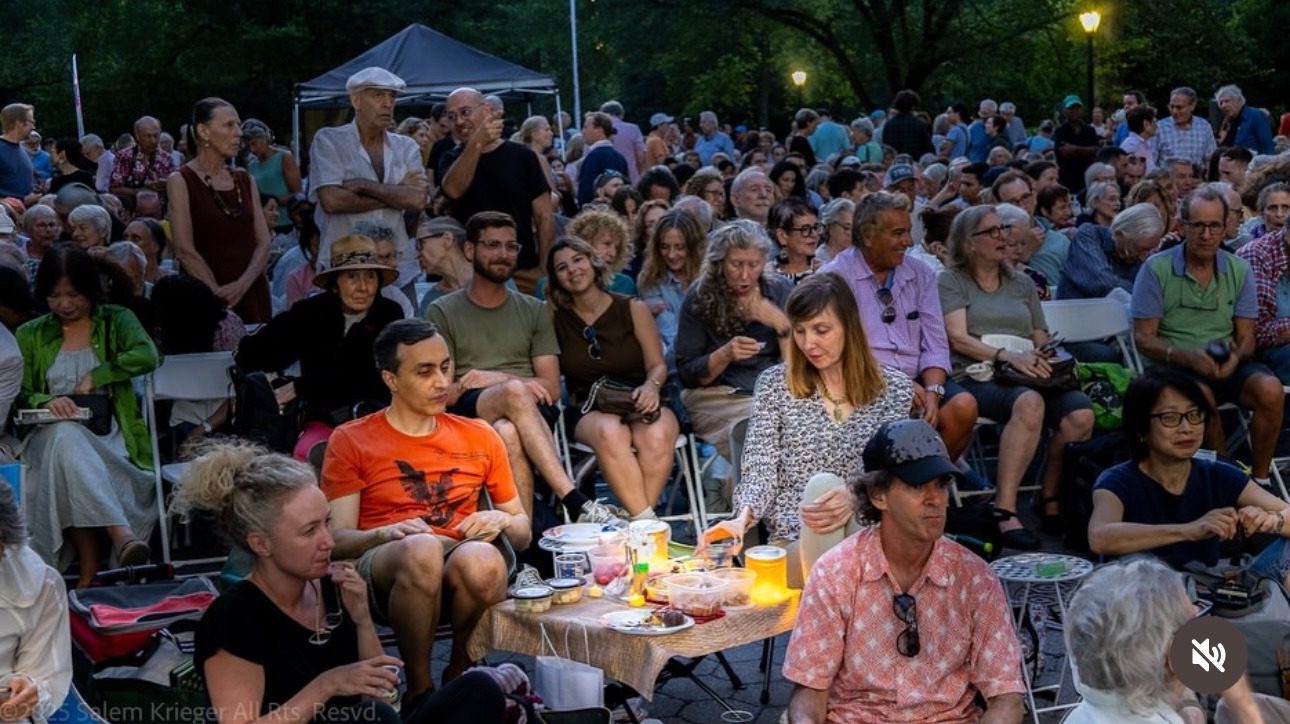
The Naumburg Orchestral Concerts are more than just music in the park. They are a living symbol of Elkan Naumburg’s philanthropic spirit—a man who believed that true art must be heard under the open sky, for everyone.