
New York is not only the heart of financial and cultural activities, but it is also a true mecca for fans of various festivals. Here, everyone will find something for their taste. You can learn more at newyorkski.info.
With its endless variety of cultural and exciting events, New York City serves as the world’s capital of entertainment and development. Since ancient times, this cultural hub has drawn the attention of artists, tourists and art enthusiasts from all over the world.
During its numerous festivals, the streets of New York are filled with energy and a burst of color, capturing the heart of the city and making everyone feel the pulse rhythm. The diverse range of cultural activities that take place here is both inspiring and impressive.
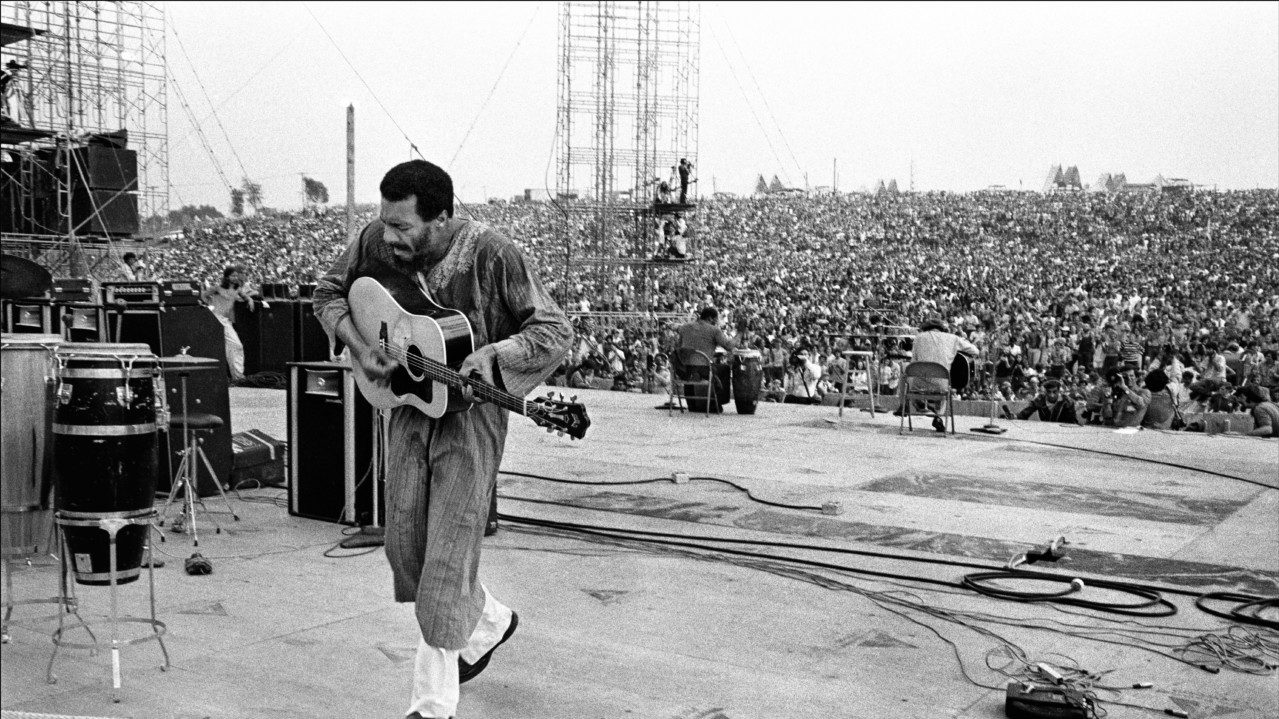
Amazing events take place in New York City to amuse visitors and residents alike. One of the state’s most notable festivals is the Woodstock music festival, which has been around since the 20th century.
The Woodstock music festival began on August 15, 1969, at the Catskills dairy farm near Bethel, New York, with 32 bands and performers performing over three days. Despite the lack of basic living conditions, security and rainy weather, more than 400 thousand people attended Woodstock, making it a watershed moment in the history of rock music and a symbol of the end of the hippie era.
The idea of organizing a festival
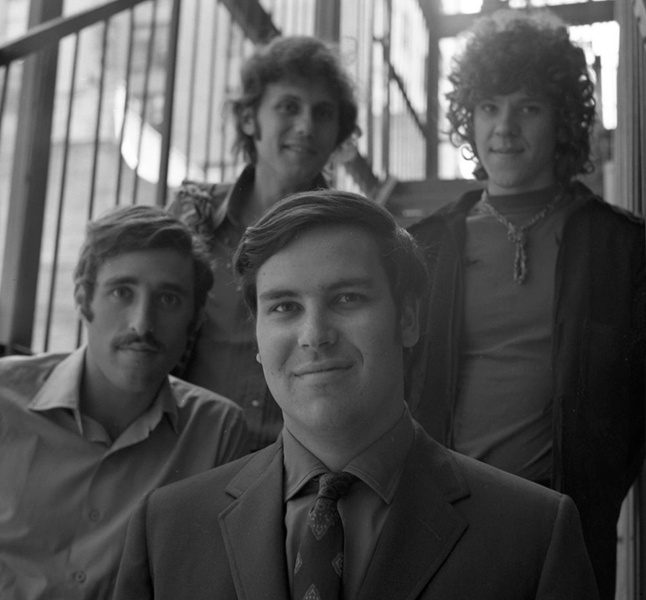
It’s hard to believe, but the festival was started by four young people, the oldest of whom was only 27 years old at the time of Woodstock. It all began when Michael Lang, who at the time embodied the image of a barefoot hippie with a shock of curly hair and little money in his pocket, began to fantasize about a commune away from the large cities where musicians could create for their pleasure. He was an avid music enthusiast and even managed the San Francisco-based band Train. Michael had vividly seen this “hippie paradise” in all its glory in his dreams, but there was one drawback. He didn’t have the money to implement the ambitious project.
After a while, Michael met Artie Kornfeld, Vice President of Capitol Records, and was surprised to find a like-minded individual in him. Young men came up with the notion of opening a music studio in Woodstock that would welcome all talented musicians. The only thing left to do was to find sponsors.
Meanwhile, in New York, John Roberts, the heir of a pharmaceutical company, and his friend Joel Rosenman were considering the opposite question: where should Roberts’ money be invested? In the lack of their own ideas, they put an ad in the New York Times stating: “young men with unlimited capital looking for interesting, legitimate investment opportunities and business propositions.”
By a stroke of luck, among this pile of crazy and quack ideas, Lang and Kornfeld’s notion piqued the interest of Roberts and Rosenman. “Why not?” they decided. Following a meeting of four young people in February 1969, the idea of establishing a music studio grew into a much larger and more consistent plan: to organize a three-day rock festival for 50,000 people and use the proceeds to construct a large cultural center with recording studios and a retreat for musicians.
Organization of the festival
Four young people started organizing the music event. With their own money, they also printed tickets ($7 for one day, $13 for two days and $18 for three days) and sold them at small local shops and post offices. To put it briefly, for several months each of these “fantastic four” acted as a human orchestra. They handled everything from resolving issues with the territory’s owners to scheduling food deliveries, recruiting musicians and convincing them to play at an unknown festival and hiring staff, from service personnel to security.
Opening of the first festival
The festival was almost canceled at some point because citizens were concerned that an event of such scale would be hosted in their city. Fortunately, the organizers resolved this issue.
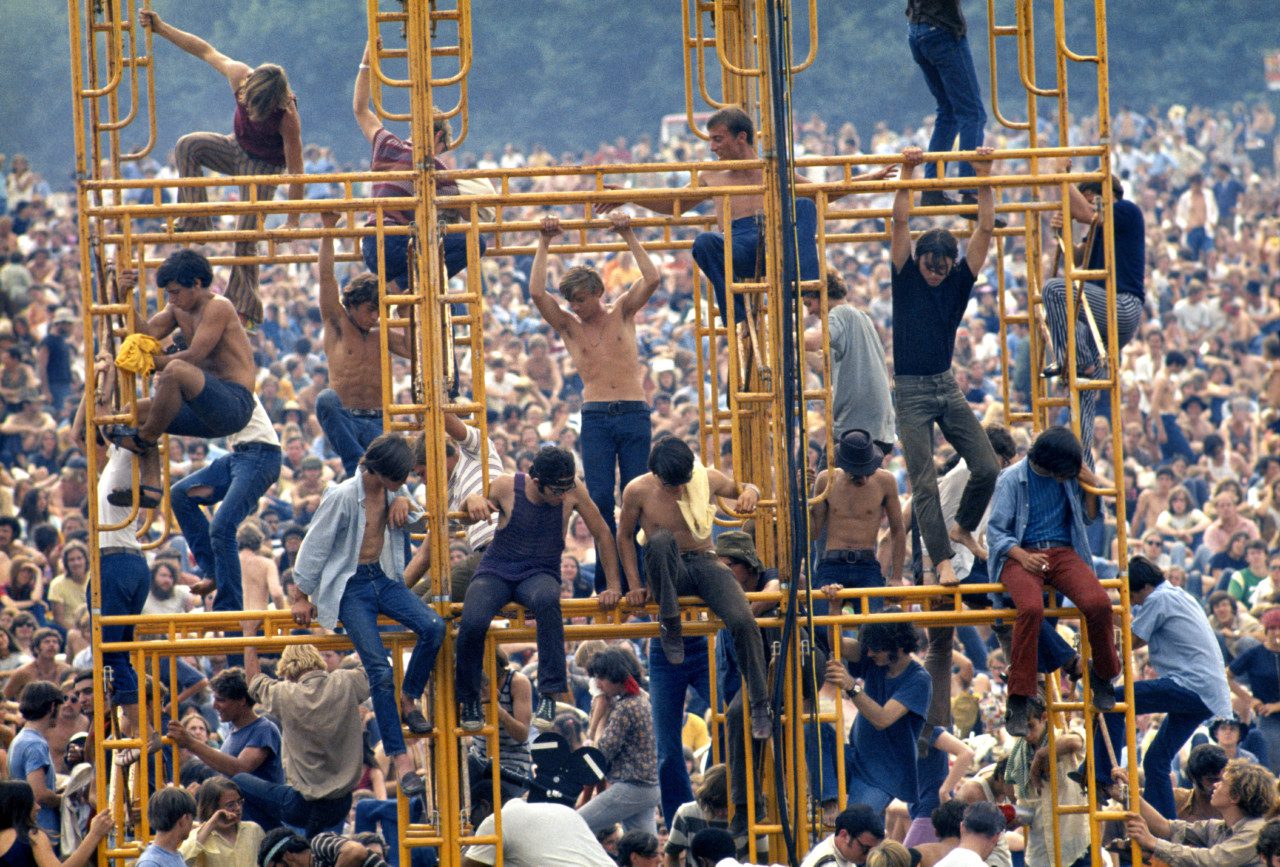
As you know, the festival was originally planned to take place in Woodstock, but due to a lack of available space, the organizers rented Mills Industrial Park in the nearby city of Wallkill instead. The city administration banned the event, so it had to be relocated to Bethel, where a 240-hectare plot of land was leased from a local farmer. Due to the late change of venue for the festival, the organizers had little time to prepare for it. All the funds were invested in the building of the stage, and there was not enough money to construct a fence and hire security.
The Woodstock festival, held under the slogan “Three Days of Peace and Music,” drew the attention of a large number of visitors who flooded the road from New York due to heavy traffic jams. People left their cars on the freeway and walked several kilometers on foot along rural roads and fields washed out by rain. The festival started on August 15, 1969, one hour later than scheduled, and rainy weather prevailed for the majority of the festival.
Who performed during the festival?
Despite the fact that the music leaders of the day, The Doors, Led Zeppelin, Bob Dylan, The Beatles, Frank Zappa, Procol Harum, Jethro Tull, Chicago and The Byrds, refused to participate in the event, Woodstock drew over 400 thousand people in three days. Among the artists who performed for them were Joe Cocker, Carlos Santana, Janis Joplin, Ravi Shankar, Johnny Winter, and the bands Blood, Sweat & Tears, Creedence Clearwater Revival, Canned Heat, Nash & Young, Grateful Dead, Jefferson Airplane, Sly and the Family Stone, Ten Years After, The Who and Jimi Hendrix, who closed the festival on August 17.
Tragic incidents during the festival
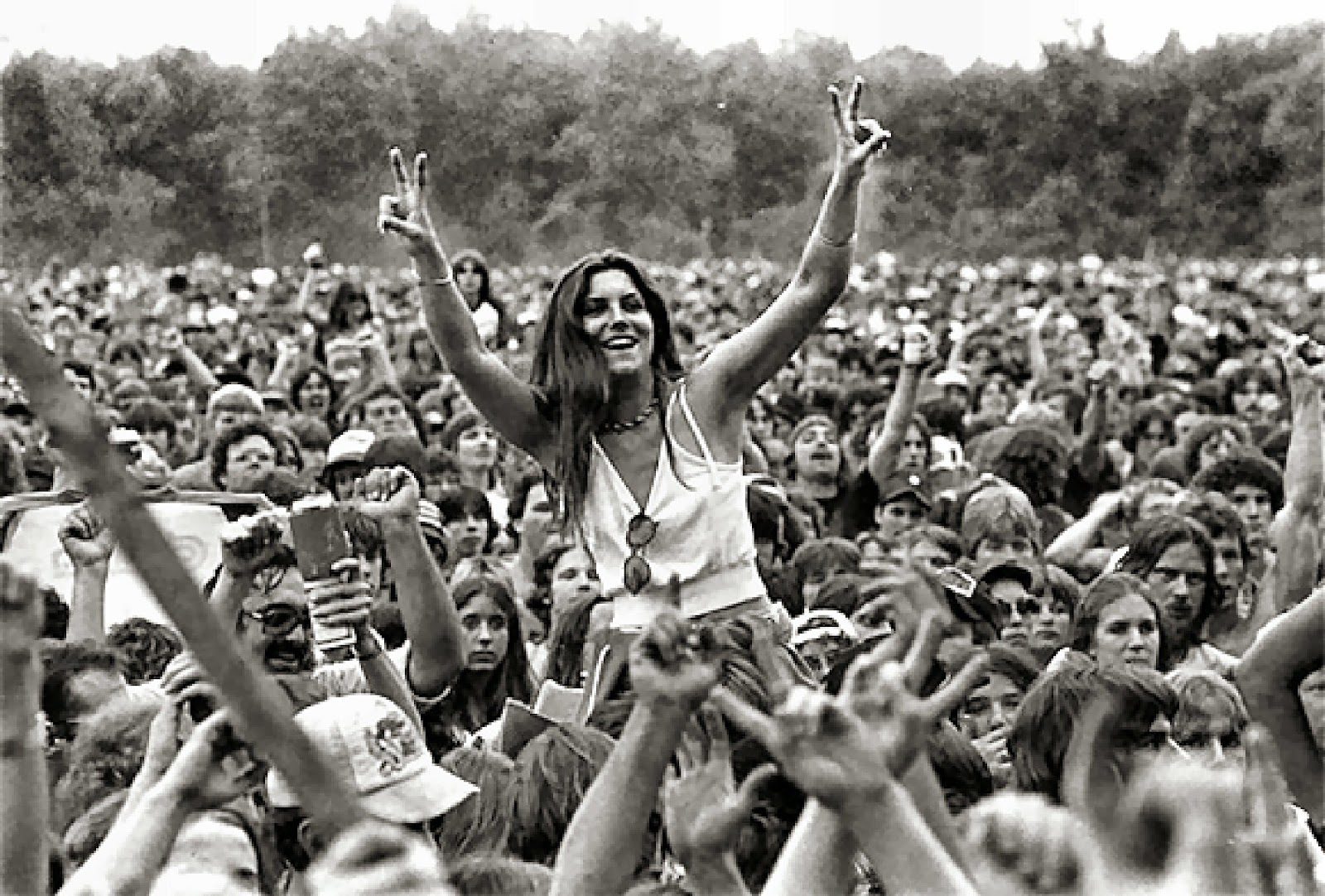
The festival was held almost without excess and became a notable cultural phenomenon marking the end of the beatnik and hippie era despite the unfavorable weather, lack of basic living conditions and lack of security. However, there were three deaths (a heroin overdose, a tractor acident and a fall from a height). The festival’s events inspired a three-hour documentary film called “Woodstock”. “Woodstock: 3 Days Of Peace And Music” received an Academy Award in 1971 and Rolling Stone magazine named Woodstock one of the 50 events that changed the history of rock and roll.
Following the events of Woodstock
The Woodstock organizers were stunned by the event, but they didn’t have time to celebrate the fact that they had organized the most successful music festival in history. This was mostly due to the fact that they were in debt for $1 million and had 70 lawsuits filed against them. To their great relief, the film about the festival released a year later, received universal acclaim and even won an Oscar in 1971. Most importantly, the profits helped them pay off the majority of their debt.
It is apparent that such a cult celebration had to be recreated. Several attempts were made to revive Woodstock and its incredible atmosphere. However, none of them can be considered fully successful. In 1999, Michael Lang, the genius behind the original Woodstock, helped organize the festival, which again had its slogan “Peace, Love and Music”. However, the spirit of the original Woodstock had already been irretrievably lost. Ticket costs had increased by one and a half times, and food and drinks could only be purchased on the festival grounds (while a bottle of water cost $4 and a burger cost $10). Interestingly, more control had the opposite effect.