

Richard Feynman wasn’t just one of the greatest theoretical physicists of the 20th century. He was an incredibly charismatic figure whose life read like a thrilling adventure novel. In this article on newyorkski.info we’ll dive into his remarkable journey—from helping build the atomic bomb to laying the groundwork for nanotechnology and quantum electrodynamics.
Top Secret Science: Feynman’s Role in the Atomic Bomb
Born in New York in 1918, Richard Feynman was a prodigy. By the age of fifteen, he had taught himselftrigonometry, advanced algebra, infinite series, and both differential and integral calculus.
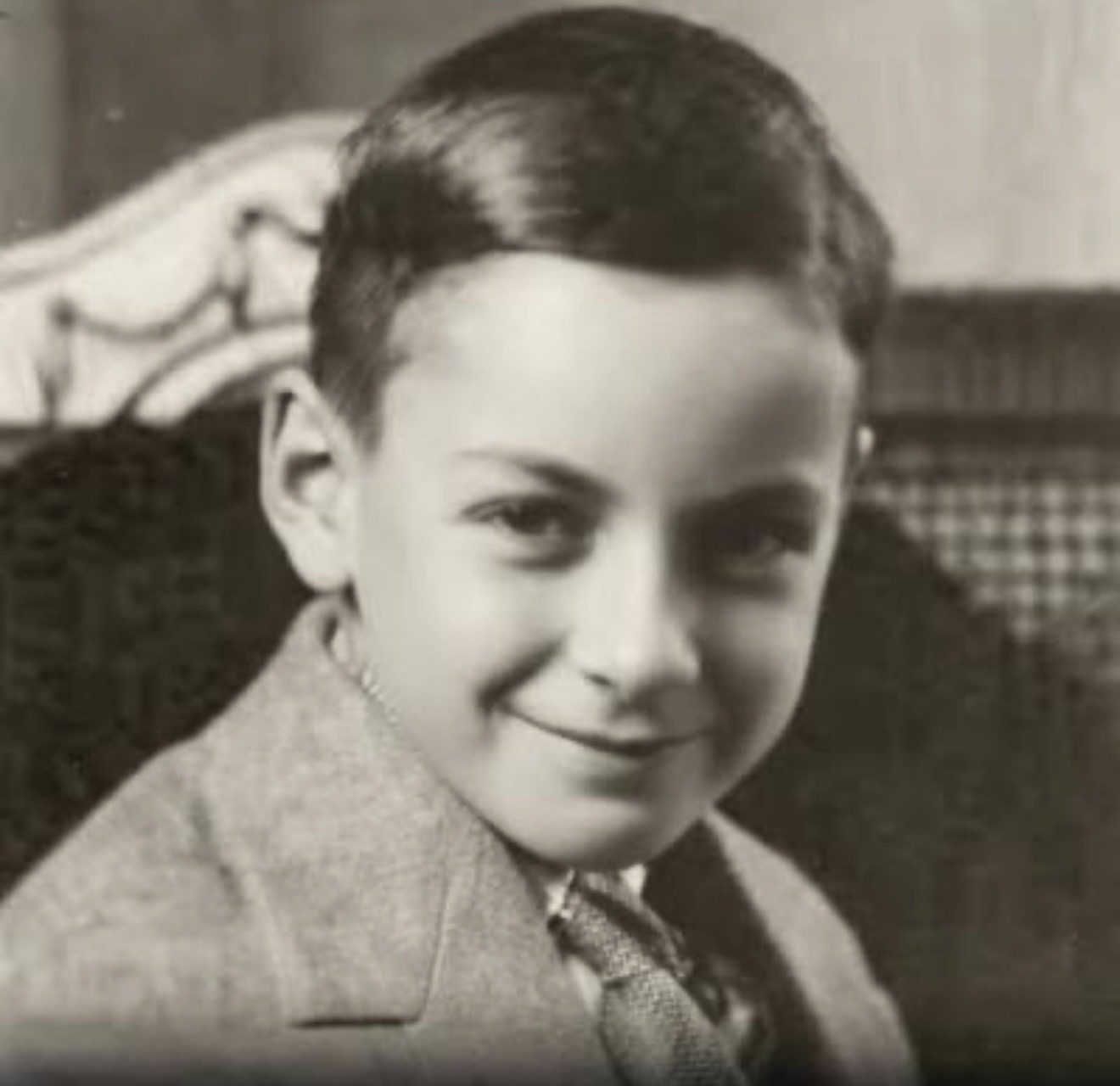
After earning his Ph.D. from Princeton University in 1942, he quickly became a key figure in the scientific community.
During World War II, before even finishing his doctorate, Feynman was recruited for the top-secret Manhattan Project. Robert Wilson invited him to join the team working on uranium isotope separation. Feynman later moved to the Los Alamos National Laboratory, where he headed the theoretical division’s computational group under Hans Bethe. The lab’s director, J. Robert Oppenheimer, called the 25-year-old scientist undeniably the most brilliant young physicist.
Among other things, Feynman developed the formula for calculating the yield of a nuclear explosion and helped design safety protocols for the Oak Ridge facilities. Yet, despite the immense responsibility, he always found time for mischief. Security at the lab was incredibly strict, but Feynman noticed that most physicists either left their safes on factory settings or used easily guessable combinations. He regularly cracked his colleagues’ safes, leaving anonymous notes inside to expose the flaws in the security system—much to the dismay of upper management.
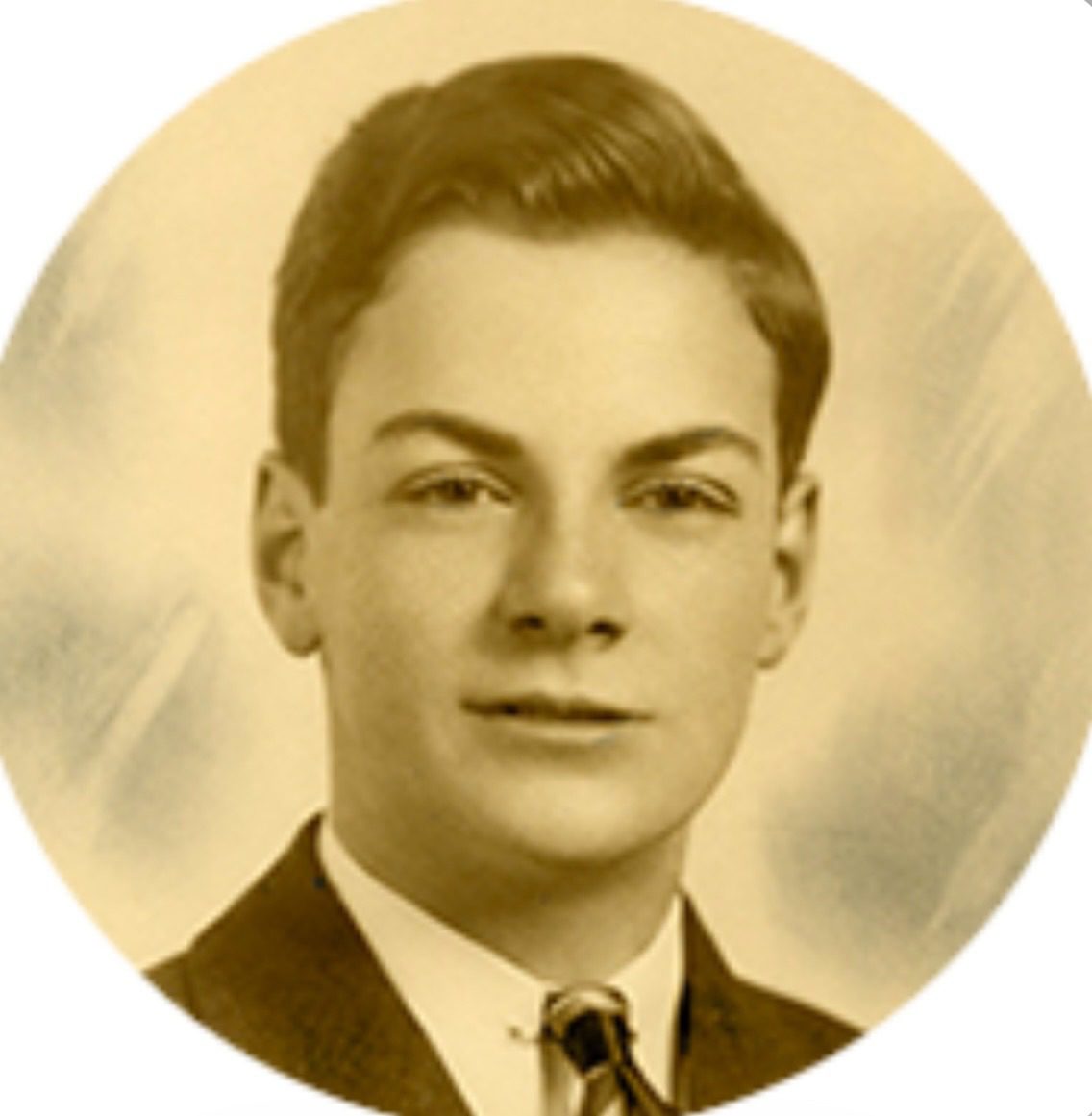
His work culminated with the Trinity test, the detonation of the first atomic bomb. Feynman flatly refused to wear the standard-issue dark goggles. Instead, he chose to watch the explosion through the windshield of a truck, knowing the glass would filter out the harmful ultraviolet radiation.
When Formulas Became Pictures
In the mid-20th century, physics found itself in a bizarre spot. The theories worked, but the actual calculations were a chaotic mess. That’s when Richard Feynman stepped onto the stage.
In 1965, he shared the Nobel Prize with Julian Schwinger and Sin-Itiro Tomonaga for their work on quantum electrodynamics (QED)—the theory that describes how light interacts with matter. To this day, it remains one of the most precise theories in science, with predictions matching experimental data to an astonishing number of decimal places.
But Feynman’s real breakthrough wasn’t just in the math. Back in 1948, he introduced a game-changing tool: the diagrams that now bear his name. Instead of wrestling with endless, complex equations, physicists were given a way to literally “draw” the processes happening in the quantum world.
On these diagrams, everything feels intuitive:
- straight lines represent particles of matter, like electrons;
- wavy lines represent photons, which carry the electromagnetic force;
- intersections show the exact moment particles interact or transform.
What used to take pages of grueling integrals could suddenly be understood on a single sheet of paper. This approach didn’t just simplify the math; it fundamentally changed how physicists think. This visual language made it easier to spot patterns, test hypotheses, and build bold new theories.
American physicist Frank Wilczek, who later won a Nobel Prize himself, summed up the impact perfectly:
“My calculations would have been literally unthinkable without Feynman diagrams.”
Explaining It So Anyone Could Understand
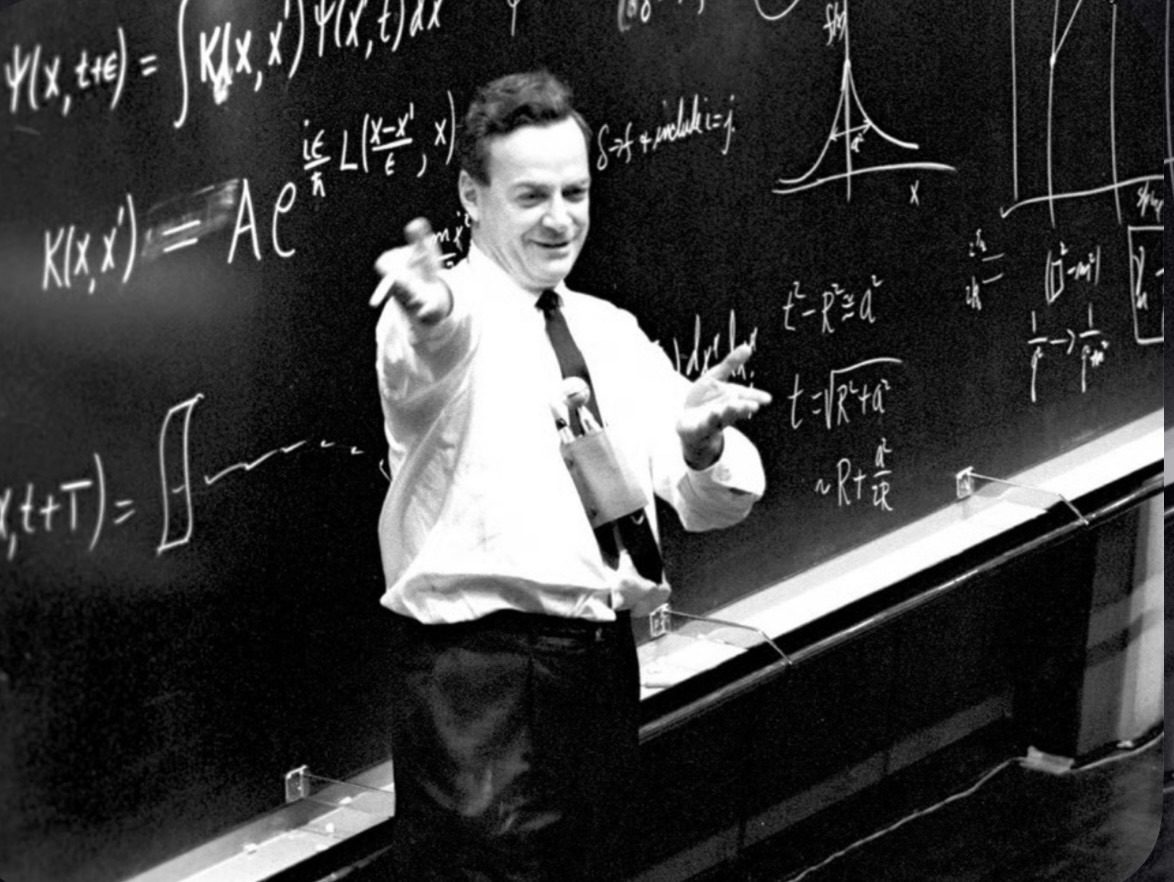
Richard Feynman had a knack for talking about physics in a way that stripped away the intimidation. This earned him the nickname “The Great Explainer” among peers and students. Where others built mazes of jargon and equations, Feynman always looked for the clearest, most direct path—using vivid imagery, relatable comparisons, and everyday language.
In the early 1960s, he taught an introductory course at Caltech that eventually became the legendary “Feynman Lectures on Physics.” Today, these lectures are still read by students and professors alike—not just for the raw information, but for the way they teach you how to think.
Feynman insisted on a simple, almost ruthless test of comprehension: if you can’t explain an idea in plain English, you don’t really understand it.
This principle gave rise to what we now call the “Feynman Technique,” a highly practical study method that ditches rote memorization. It sounds simple, but it requires total intellectual honesty.
First, pick a topic and write down everything you know about it, plain and simple. Then comes the fun part: try explaining it as if you were talking to a twelve-year-old. No professional jargon, no big words—just the core concepts. This instantly exposes your weak spots. Wherever your explanation stumbles, that’s where your knowledge gaps are. Feynman advised going back to the source material, relearning it, and trying again until you can explain it effortlessly.
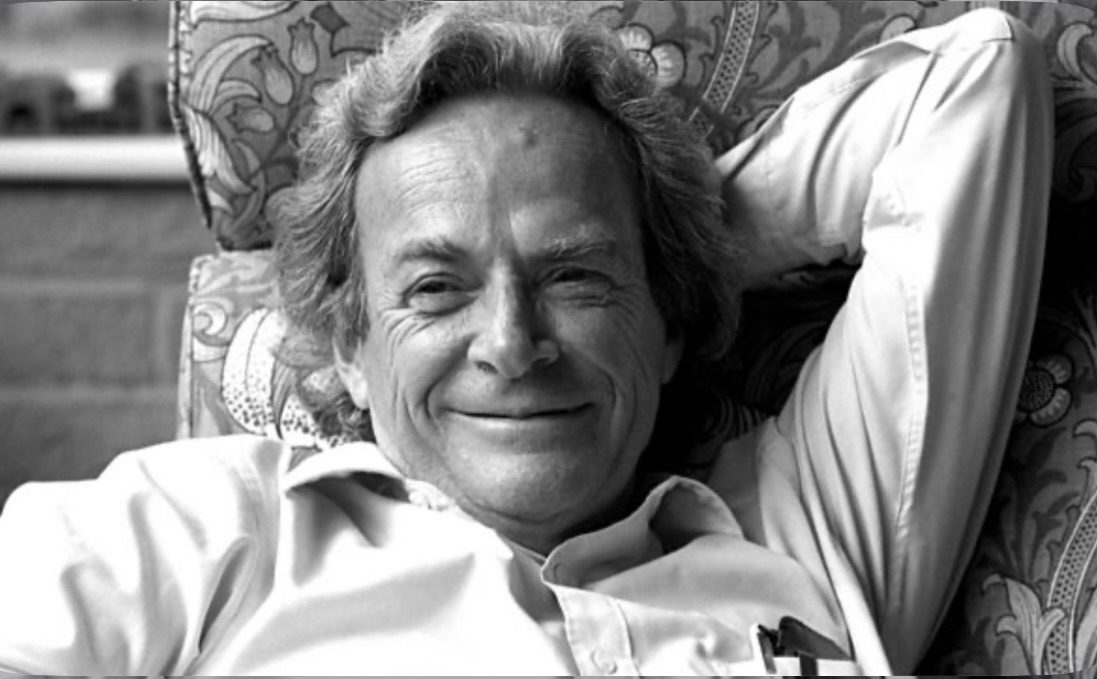
The final step is to polish your explanation: find the exact right words and use analogies from everyday life. To Feynman, analogies were the key to making knowledge feel alive rather than robotic. This approach works because it forces active thinking, not just passive recall. It demands that you truly understand, rather than just repeat.
Alongside his lectures, Feynman left behind several books that showcase his unique style even better:
- “QED: The Strange Theory of Light and Matter” explains a mind-bending theory with barely any math—it reads almost like magic.
- “Surely You’re Joking, Mr. Feynman!” reveals the man behind the science: ironic, fiercely curious, and utterly unpredictable.
- “What Do You Care What Other People Think?” shows a more serious side, including the story of his role in the Challenger Space Shuttle disaster investigation.
Ultimately, Feynman left behind more than just formulas and theories. He gave us a unique way of thinking—one that is simpler, more honest, and far more effective.
Personal Life: Love, Loss, and Eccentric Passions
Beneath the towering scientific achievements was a man of profound emotion. His first and greatest love was his high school sweetheart, Arline Greenbaum. Even knowing she was terminally ill with tuberculosis and had only a couple of years to live, Richard married her anyway in 1942. Arline passed away in June 1945 while he was working at Los Alamos.
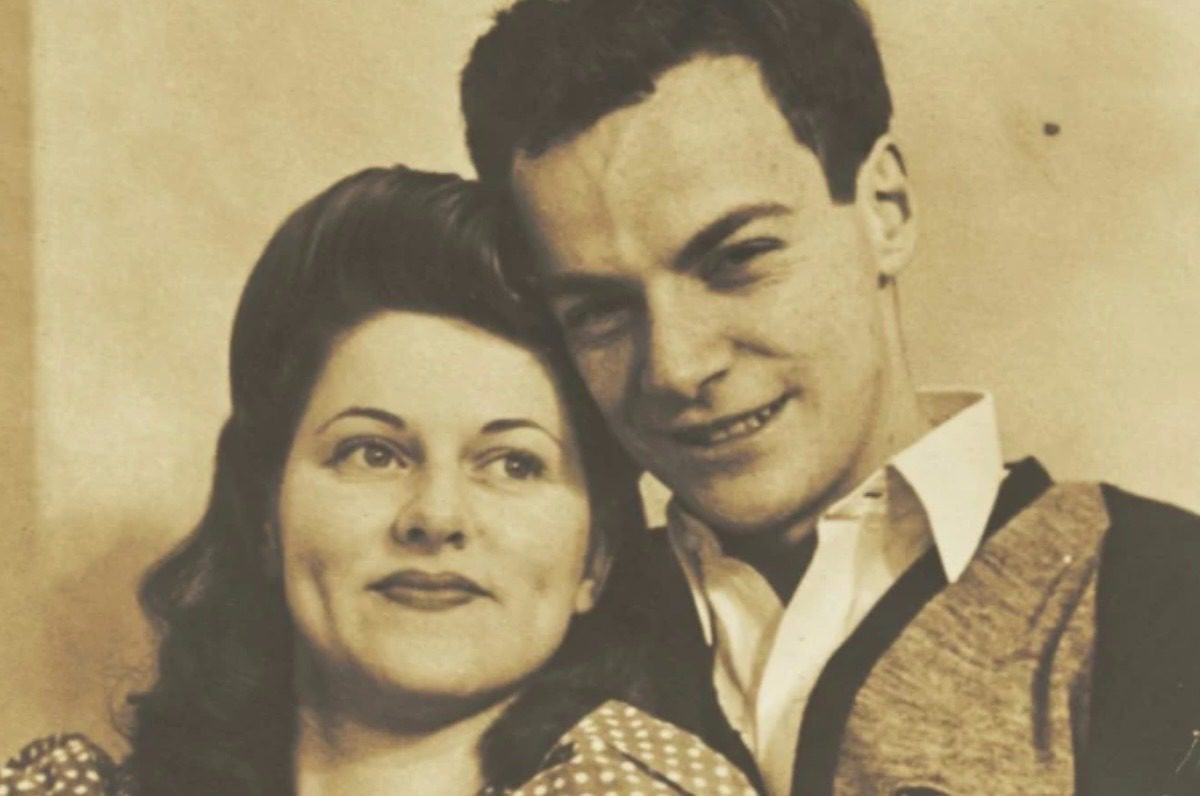
Sixteen months later, the heartbroken physicist wrote her a deeply moving letter, ending with the lines:
“Please excuse my not mailing this — but I don’t know your new address.”
This letter wasn’t opened until after Feynman’s own death.
His curiosity about the world was boundless. His final grand dream was to travel to the remote republic of Tuva in the Soviet Union. For a decade, he and his friend Ralph Leighton battled Cold War bureaucracy trying to get visas. Feynman was absolutely captivated by their postage stamps and traditional throat singing. Tragically, the letter of approval from the Soviet government arrived just four days after he died.
Richard Feynman passed away on February 15, 1988, at the age of 69, after a long battle with a rare form of cancer. His final words were:
“This dying is so boring.”
Richard Feynman left a legacy that extends far beyond dry formulas and quantum electrodynamics. He proved to the world that a true scientist isn’t just a pale shadow in a lab coat, but a human being with an unquenchable thirst for life. He constantly stressed the critical importance of intellectual honesty, noting:
“The first principle is that you must not fool yourself — and you are the easiest person to fool.”
Feynman was a genius who despised academic snobbery and boredom. His zest for life wasn’t limited to quantum mechanics. He played the bongo drums, deciphered Mayan hieroglyphs, painted, and loved pulling off safe-cracking pranks.
Through his lectures, books, and unique worldview, Richard Feynman continues to inspire new generations of thinkers. He reminds us of what truly matters: science isn’t just a collection of dry facts; it is, above all, the profound joy of figuring out how nature works.