

FringeNYC was an international powerhouse for independent, experimental theater and performance art, serving for years as one of New York’s most vital alternative cultural landmarks. For a deep dive into its history and standout moments, read on with newyorkski.info.
From Edinburgh to Manhattan: The Birth of FringeNYC
For over two decades, the New York International Fringe Festival—better known as FringeNYC—was a place where theater breathed deeply. It was a haven for “weird” ideas, edgy themes, and boundary-breaking forms. Since its debut in 1997, the festival evolved into one of North America’s largest fringe forums, annually hosting hundreds of independent artists and drawing thousands of spectators eager for the unexpected.
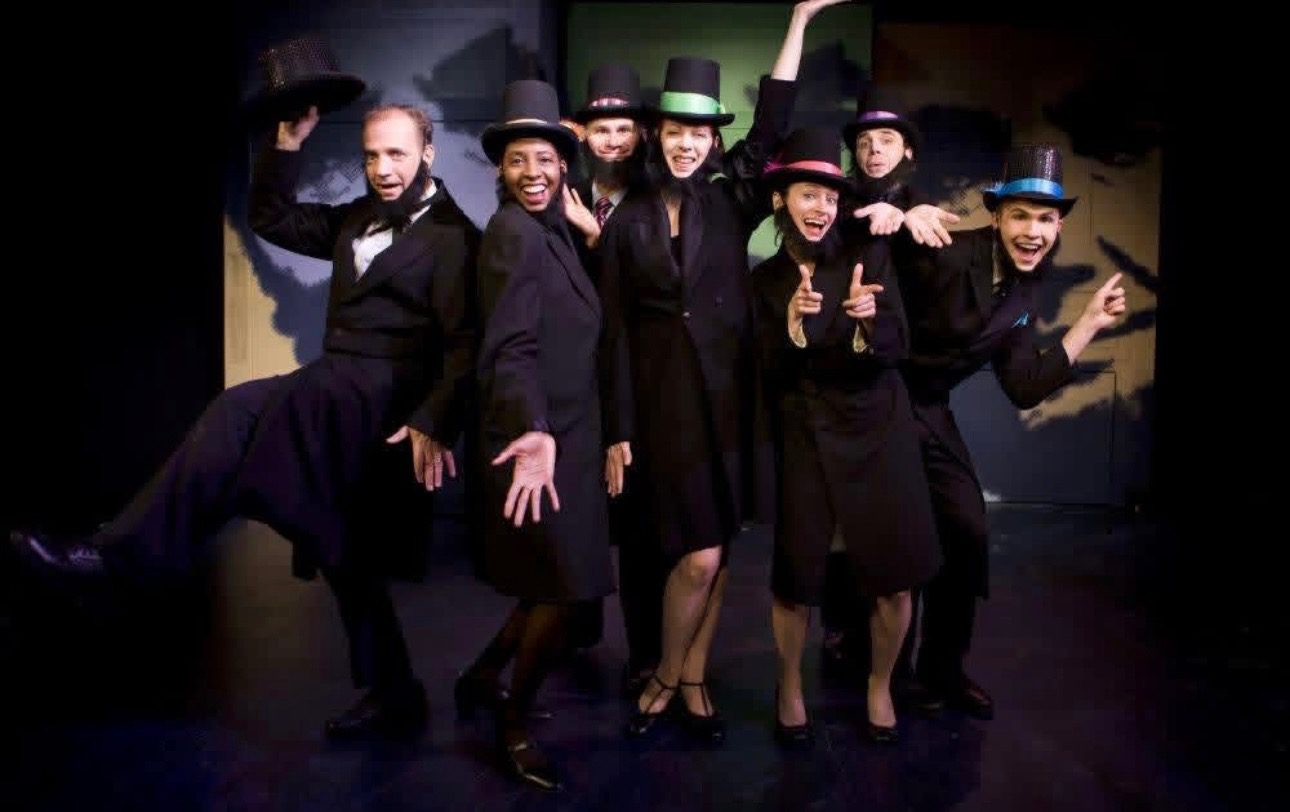
It all started with a simple, almost naive question posed by New York theater enthusiasts in the late ’90s:
“If Edinburgh has a Fringe, why shouldn’t New York?”
The idea went viral instantly; hundreds of people showed up to the very first meeting. Thus, a festival was born from the city’s gritty Off-Off-Broadway culture of independence. It became the flagship project of The Present Theatre Company—an organization that viewed theater as a vital space for community, dialogue, and change.
FringeNYC stages served as the launching pad for productions that would eventually make American theater history: Urinetown, Dog Sees God, the musical adaptation of Debbie Does Dallas, and the English-language premiere of The Black Rider. The festival wasn’t just about discovering new talent; it was about giving it a second life. After the main season, the standout hits returned for the FringeNYC Encore series, enjoying an extra two weeks of buzz and box-office attention.
In 2017, the festival hit the pause button to reinvent itself. Its return in 2018–2019 was leaner but bolder, pushing Fringe beyond Manhattan’s borders to engage with the city at large. However, after 2019, the momentum began to fade. The quiet shuttering of its official website in 2021 marked the final chapter for an event that once defined the rhythm of New York’s alternative scene—leaving behind a legacy of creative freedom, risk-taking, and discovery.
Theater Without Borders
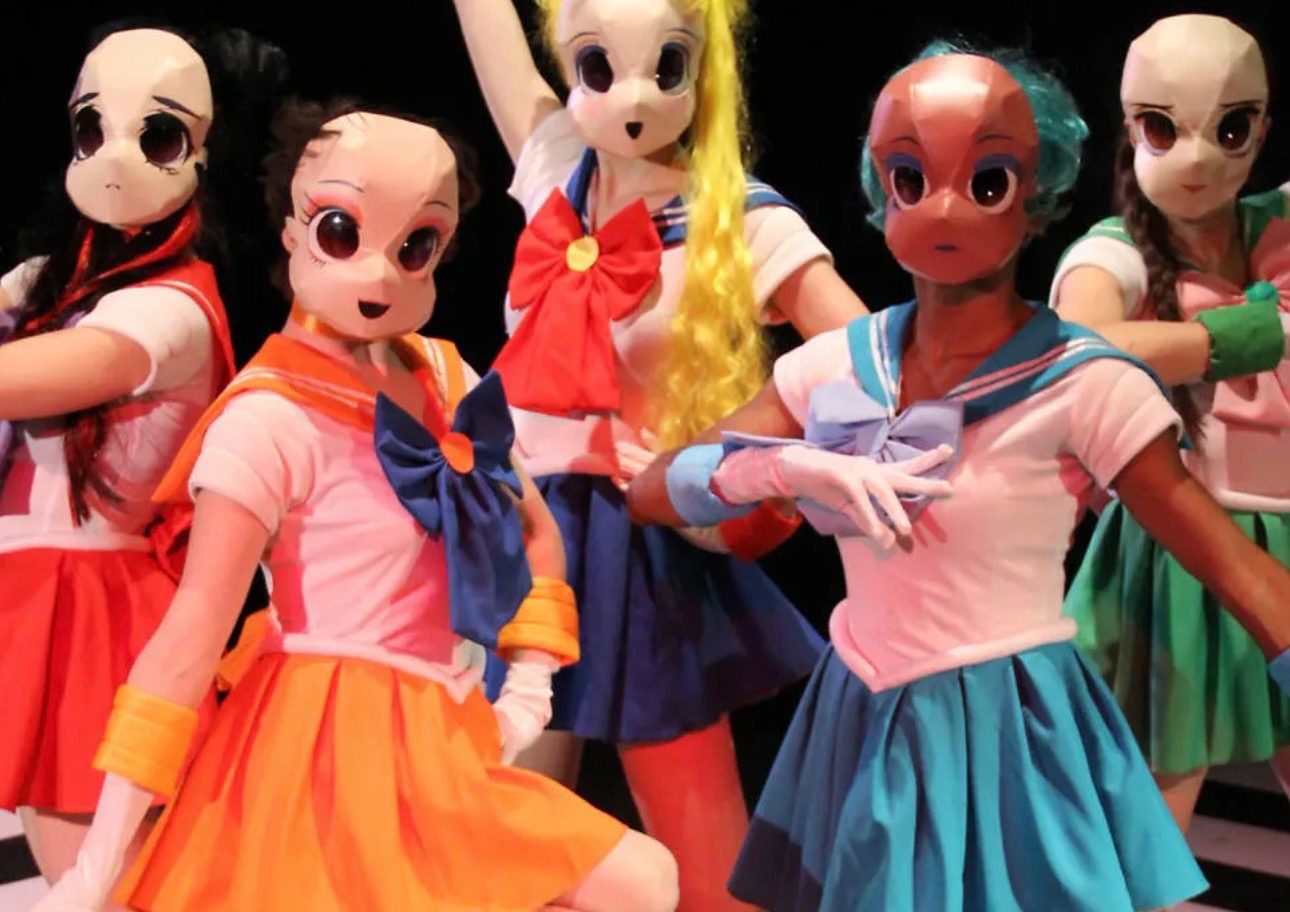
The FringeNYC lineup was never a product of chaos. Unlike many other fringe festivals, it operated on a juried selection process: out of a massive flood of applications, only about two hundred projects were chosen each year. The program was a vibrant melting pot of dramas, comedies, musicals, puppetry, burlesque, magic, and avant-garde multidisciplinary experiments. Being “accepted into Fringe” became a badge of honor and a major milestone for any independent artist.
Over time, FringeNYC evolved from a simple theater marathon into a full-scale cultural ecosystem:
- FringeU provided artists with professional workshops and tools;
- FringeART opened doors for visual arts installations;
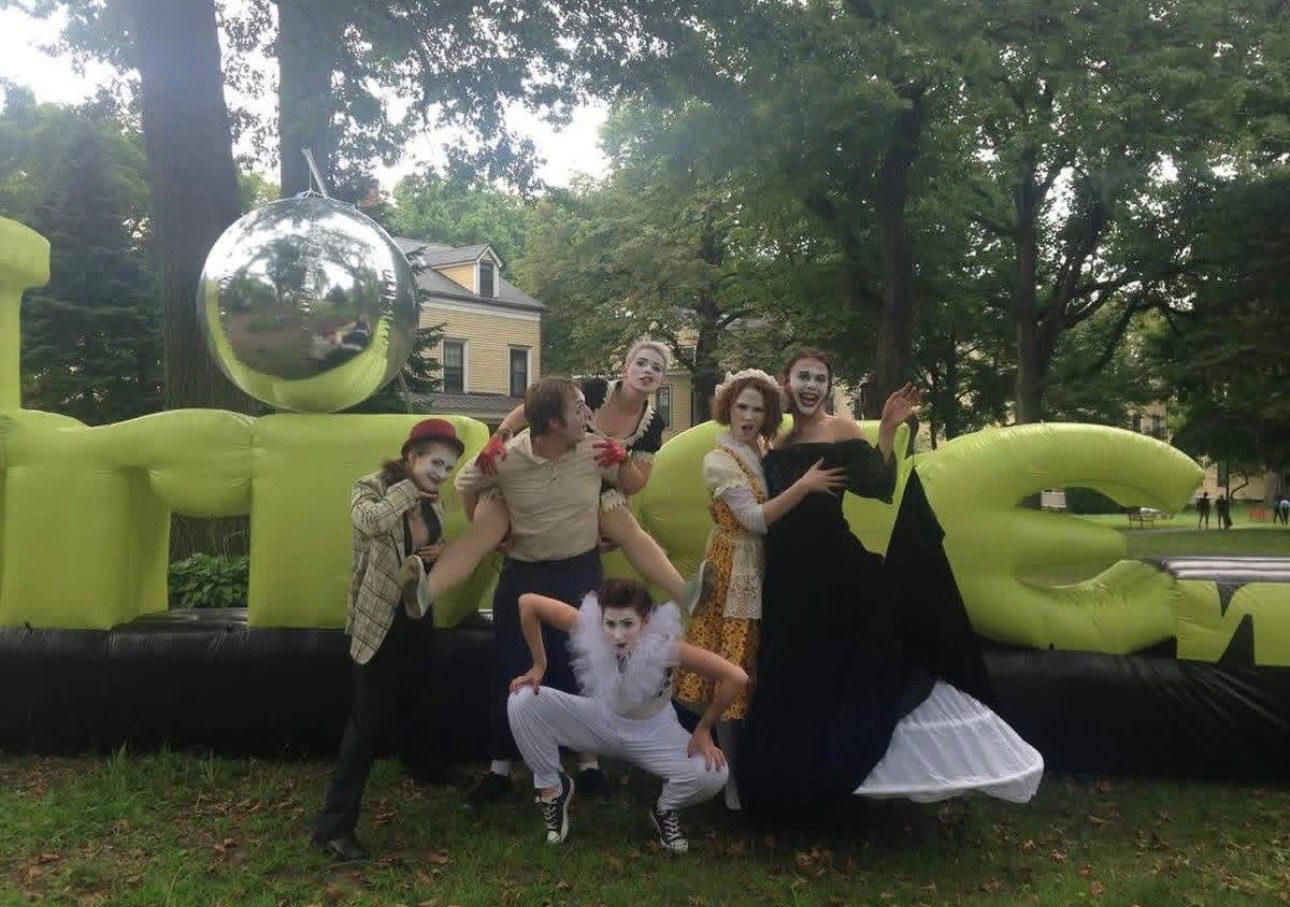
- FringeAL FRESCO brought performances directly to the city streets;
- FringeJR introduced the next generation of theatergoers to the magic of the stage.
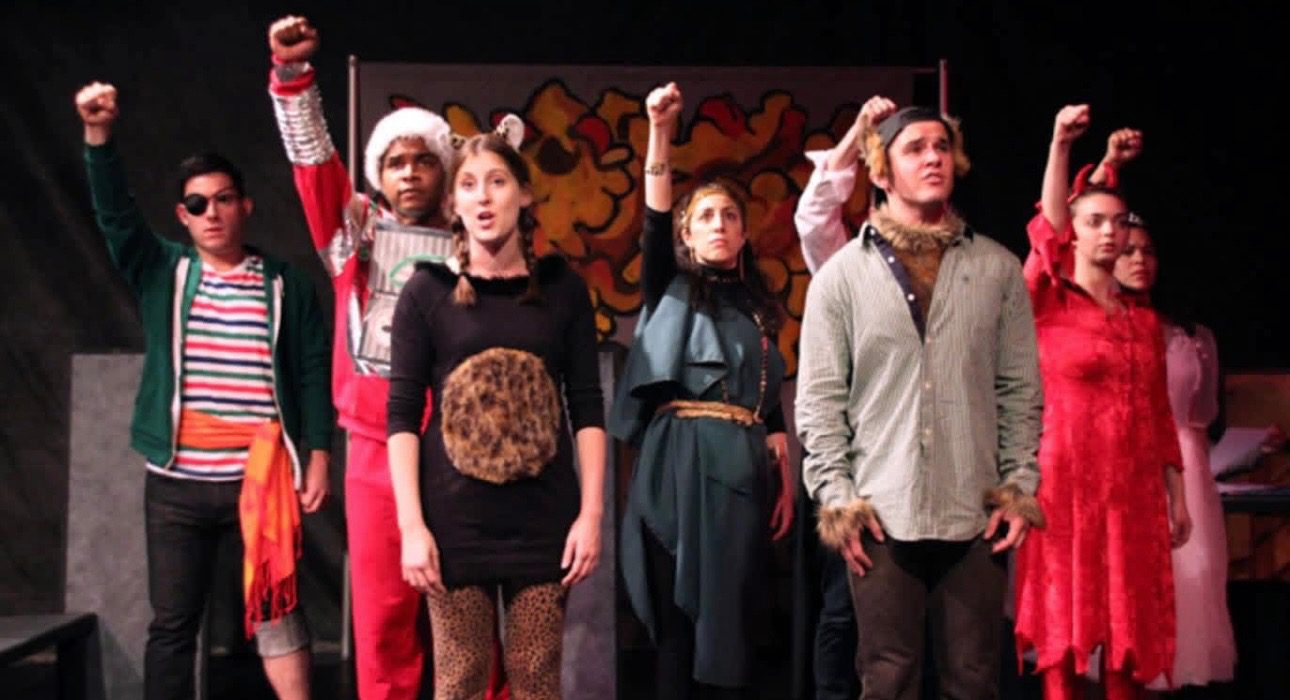
The festival didn’t just sit in theaters—it dissolved into the city’s urban fabric. Each season drew up to 75,000 attendees, including producers, critics, and “early adopters” looking for the next big voice. This massive operation ran on an “inverted pyramid” model: thousands of artists and volunteers supported by a small, dedicated core team. The festival believed in theater as a way to build community and spark honest, direct conversations with the modern world.
The People Behind FringeNYC
Behind every great theatrical movement are the people who keep the lights on day after day. For FringeNYC, that backbone was The Present Theatre Company and its Board of Directors—a group of professionals deeply in love with theater and New York City itself.
Shelley Burch, Board President, was there before the festival even had a name. In the mid-90s, she literally scouted the festival’s future into existence, taking notes during meetings in Lower East Side storefronts to ensure the project stayed rooted in the local community. Starting as a volunteer, Shelley eventually climbed the administrative ranks to lead the Board in 2005.
Chris Albrigo brought a unique blend of art, tech, and finance to the table. A producer and playwright with a background in consulting and fintech, he bridged the gap between cultural expression and data-driven management. His transdisciplinary approach helped the festival think bigger, navigating the intersection of the arts and new management models.
Megan Condit anchored the festival’s financial stability for years. An executive at StepStone Group with experience at Blackstone, she combined corporate precision with a playwright’s soul. Having had her own plays produced nationwide, Megan understood the needs of artists through the lens of the creative process, not just the bottom line.
Meggan Dodd, Board Secretary and longtime Director of the FringeHIGH program, came to theater after thirty years as a prosecutor. Upon retiring, she returned to her first love—the stage—focusing on applied theater and social change. Her work with inclusive theater companies made FringeNYC more accessible and profoundly human.
At the heart of this ecosystem was Elena K. Holy, the Producing Artistic Director of The Present Theatre Company and the definitive figure in FringeNYC history. She transformed a local idea into North America’s largest multi-disciplinary theater event. From filing the initial non-profit paperwork to managing million-dollar budgets and coordinating thousands of volunteers, her role covered everything. Under her leadership, FringeNYC became a place where bold ideas carried more weight than a big budget.
Over the decades, the festival grew from a modest $74,000 debut to a project with annual expenses exceeding $1 million. Remarkably, The Present Theatre Company built a sustainable model where the majority of funds were earned income, ensuring that the lion’s share of the budget went directly into programming rather than overhead.
FringeNYC was powered by people—hundreds of staff members, thousands of volunteers, and five thousand artists annually—all fueled by the belief that theater creates community. This team turned a mere event into a phenomenon that still defines the spirit of independent theater in New York today.
FringeNYC: Support vs. Risk—The 2016 Contract Dispute
In 2016, as it celebrated its 20th anniversary, the New York International Fringe Festival was operating like a finely tuned theatrical beehive. The organizers handled everything: venue rentals, technical equipment, insurance, and labor agreements with Actors’ Equity. This model relieved independent artists of their biggest burden—the staggering cost of NYC real estate. However, this very production model eventually sparked a heated controversy.
On the eve of the festival, the Dramatists Guild issued a “Biz Blip”—a formal warning to its members regarding FringeNYC’s contracts. The point of contention was a clause requiring authors to pay 2% of subsidiary rights revenue for seven years (after an initial $20,000 threshold). As the Guild’s statement pointed out:
“Festivals that are not the actual producers do not traditionally participate in an author’s subsidiary rights.”
The comparison to the Edinburgh Fringe became a central, and particularly sore, point of the debate. FringeNYC Producing Artistic Director Elena K. Holy sharply distinguished her festival from the Edinburgh model:
“We are the ones renting, equipping, and staffing the venues; we are investing in every single show.”
According to Holy, the festival invested roughly $6,000–$7,000 into each production, making the 2% clause more of a symbolic recognition of that support. Over twenty years, the clause had only been triggered three times—most notably by the massive success of the musical Urinetown.
The Dramatists Guild, however, viewed the issue through a strategic lens. Representative David Faux warned:
“The issue isn’t just about one festival. This could become a dangerous new norm across the country.”
The paradox of FringeNYC was that it served simultaneously as a powerful springboard for new voices and a potential barrier to their long-term financial freedom. The debate ultimately served not as a condemnation, but as a crucial reminder: an organization fueled by the energy of emerging theater must be hyper-aware of the legal signals embedded in its contracts.
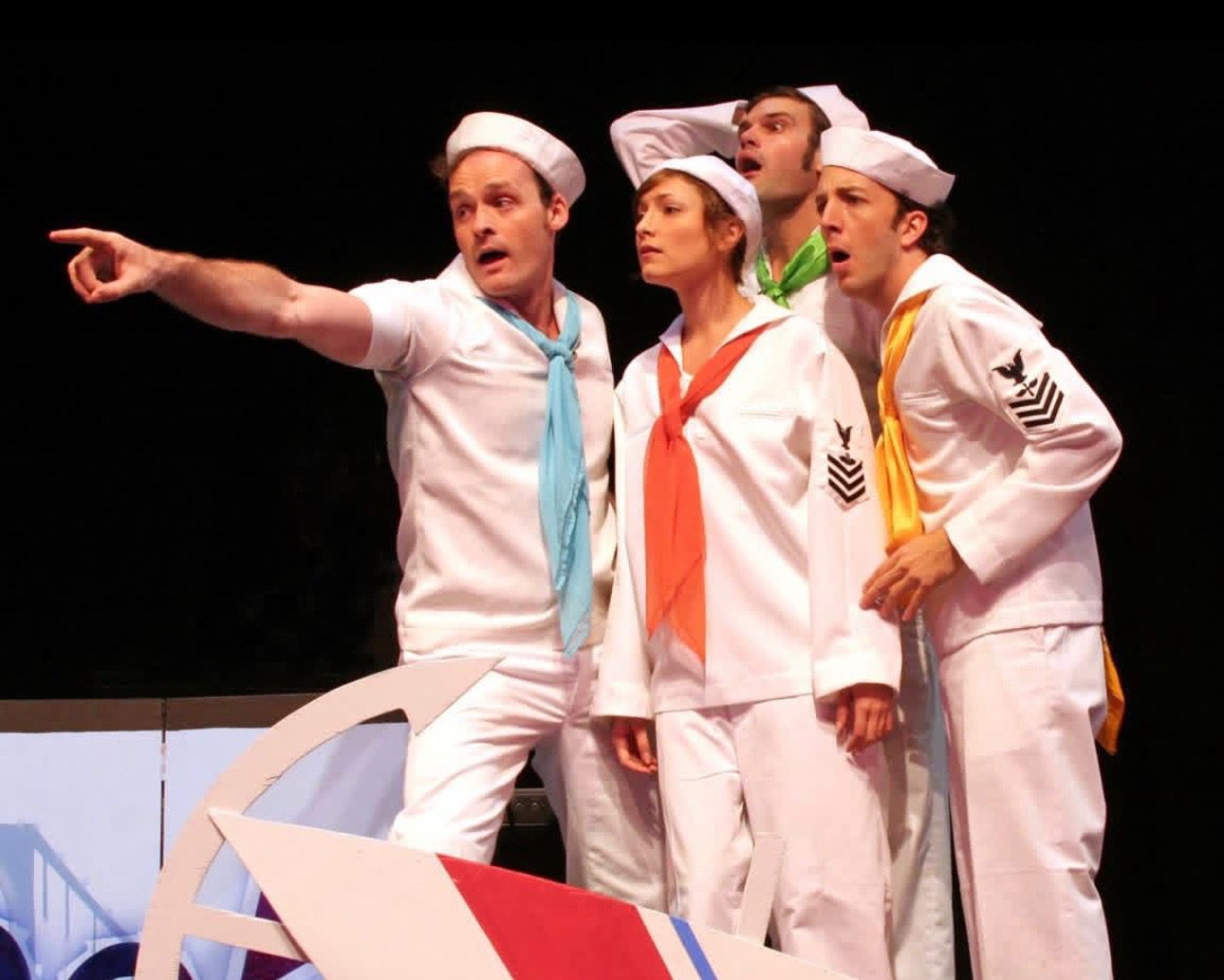
Today, FringeNYC is no longer an annual marathon, but a landmark chapter in New York’s cultural history. It lives on through archives and the work of the generations of artists it influenced. Its legacy remains a living testament that even a marginal stage can redraw the theatrical map of a metropolis—provided it has the courage, the freedom, and a city ready to listen.