

The Puerto Rican parade in New York is a vibrant and large-scale annual event that celebrates the culture, history, and contribution of Puerto Ricans to life in the U.S. It goes beyond a simple festive folklore event, carrying a social message and emphasizing the importance of identity, cultural heritage, and the political influence of the Puerto Rican community. Read on newyorkski.info for more details about this traditional annual event.
The History of the Parade’s Origin
Every year on the second Sunday in June, New York’s Fifth Avenue erupts in colors, music, and pride—the city celebrates the National Puerto Rican Day Parade. This is a grand tribute to the over four million Puerto Ricans living on the island and the many others who call the mainland United States home.
The history of this vibrant spectacle begins in 1958, when the first Desfile Puertorriqueño took place in Spanish Harlem. Its founders aimed to do more than just celebrate—they wanted to turn the successes of the Puerto Rican community into a visible demonstration of unity, dignity, and cultural strength.
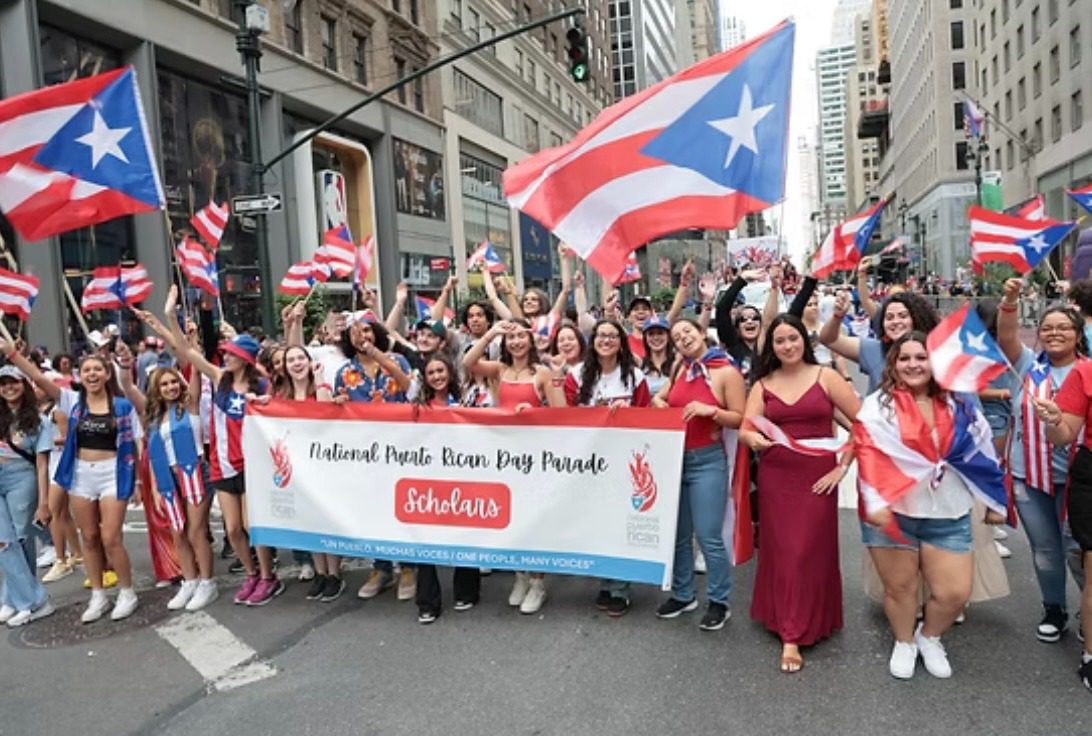
The parade quickly grew and eventually moved to Fifth Avenue—the heart of Manhattan. In 1995, the event achieved national status. The National Puerto Rican Day Parade, Inc. (NPRDP) organization was created, expanding the concept of the celebration nationwide. Under the leadership of Dr. Ramón Vélez, the new team made the parade not just a solemn procession but an educational and cultural movement that supports Puerto Rican leadership and identity in the U.S.
The route stretches from 44th to 86th Street along Fifth Avenue. Up to three million spectators gather along this legendary route, and tens of thousands of participants march in the procession—representatives of cultural organizations, schools, musical ensembles, and diaspora groups from across the country.
The parade has been graced repeatedly by world-famous stars—Jennifer Lopez, Ricky Martin, Marc Anthony, Rosie Perez, Geraldo Rivera—as well as political leaders, including Michael Bloomberg, Rudy Giuliani, and Chuck Schumer. Every year, honorary title holders are chosen, such as the Grand Marshal, “King,” “Godmother,” or “Ambassador of La Salsa.”
The National Puerto Rican Day Parade is the largest demonstration of ethnic pride in the U.S., a cultural icon that connects the island and the mainland. It is emulated by dozens of cities, from Chicago to Philadelphia, but New York remains the spiritual center of the celebration.
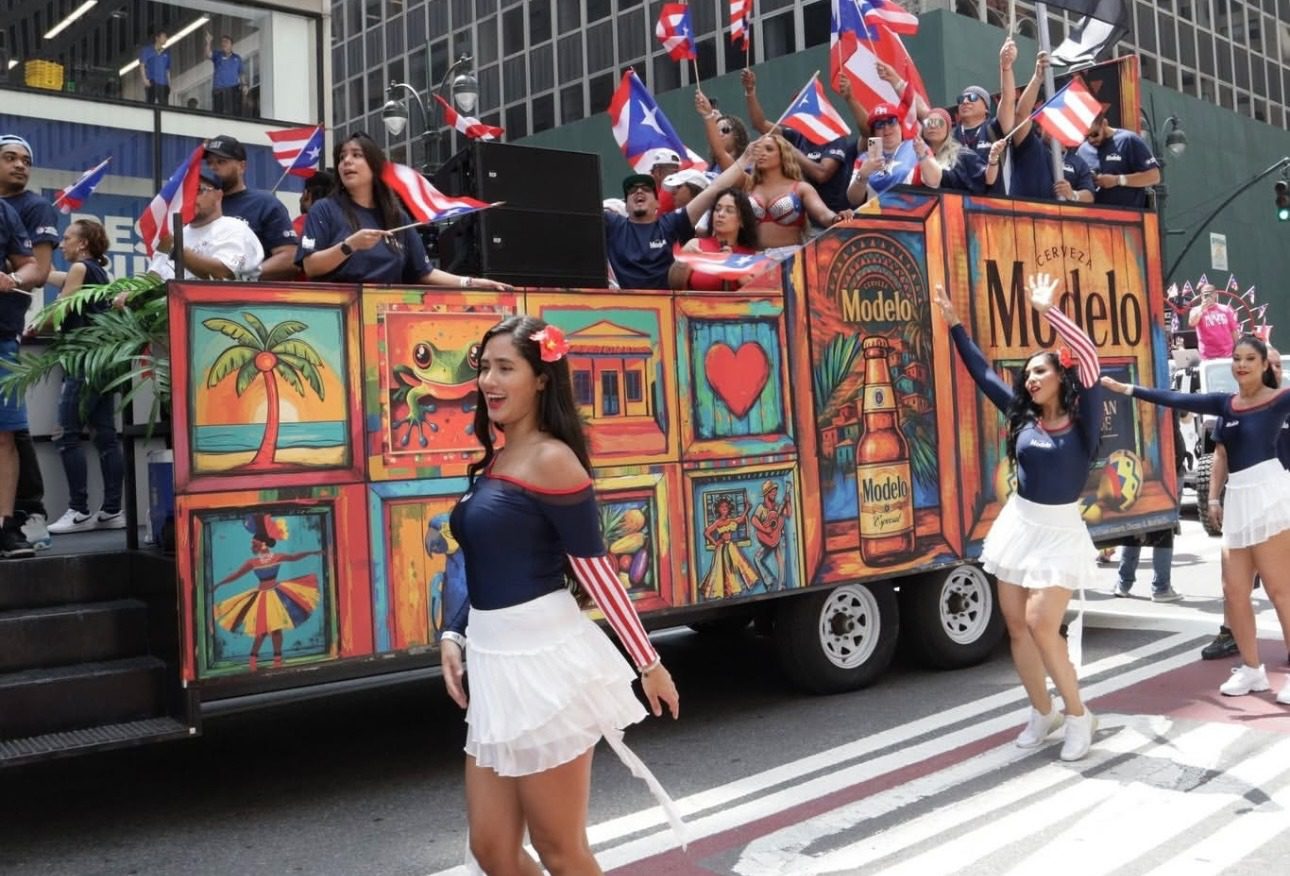
The Parade’s Mission and Impact
From the very beginning, the parade’s goal was to raise national awareness about the contributions of Puerto Ricans to society. Its mission is to empower the community by supporting education, economic development, social progress, and even environmental awareness.
Under the slogan “Un Pueblo, Muchas Voces”—”One Nation, Many Voices”—the organization emphasizes that the Puerto Rican identity is not monolithic. It thrives in many manifestations, from artists and scientists to business leaders.
One of the most important areas of NPRDP’s work is educational support for youth. The annual scholarship program, active since 2013, grants $200,000 yearly to one hundred talented Puerto Rican students and college attendees. The goal is simple but profound—to inspire the next generation to achievements that will make the entire community proud.
Like any major phenomenon, the parade has become a part of popular culture. It has been mentioned, parodied, and even criticized on television—a testament to how deeply it has become rooted in the American cultural landscape.
Its most famous appearance was in the cult series Seinfeld (the episode “The Puerto Rican Day”), where the characters get stuck in traffic because of the parade. The scene involving the accidental burning of the flag caused a huge scandal, and NBC temporarily banned the episode, which later returned to screens in a DVD version.
Another controversial case occurred in the series Law & Order (the episode “Sunday in the Park with Jorge”). Due to the parade’s ambiguous portrayal, the NBC channel was forced to apologize following protests from the National Puerto Rican Coalition. In Gianina Braschi’s 1994 poetic book Empire of Dreams, the festive procession turns into a true revolution—a symbolic uprising of spirit and freedom. And in the show Impractical Jokers, the parade is mentioned in a comical way, further highlighting its recognition in mass culture.
Therefore, the National Puerto Rican Day Parade is more than just a festive march. It is a movement that fosters self-awareness, unites the community, and reminds the world: Puerto Ricans are a nation with thousands of voices but one heart.
Loud Controversies Surrounding the National Puerto Rican Day Parade
The celebration of pride, unity, and culture has repeatedly become an arena for scandals, where the clash of politics, morality, and identity sounded no less loudly than the rhythms of salsa. The most notable ones include:
- The Shadow of the Past: The Case of Osvaldo Ríos (2010).
In 2010, the community was outraged after organizers selected telenovela actor Osvaldo Ríos as the parade’s “International Godfather.” Ríos had served three months in prison in 2004 for assaulting a former girlfriend—a domestic violence case that caused a huge public outcry.
Following a wave of protests and the withdrawal of figures like Congressman Luis Gutiérrez and even corporate sponsors such as Verizon, the actor resigned from the honorary role. His place was unexpectedly taken by Marc Anthony, who appeared at the parade alongside his then-wife Jennifer Lopez—and turned the scandal into a triumph of musical unity.
- The Question of Origin: The Story of John Leguizamo (2011).
The following year, a new wave of controversy rocked the New York press. Actor and comedian John Leguizamo, who had repeatedly claimed Puerto Rican roots, was chosen as the parade’s Global Ambassador of Arts in 2011. But shortly before the celebration, his father, Albert Leguizamo, stated in a candid interview with the newspaper El Diario La Prensa that the family originated in Colombia. The actor himself explained that his grandfather was Puerto Rican, and the organizers decided not to revoke his title, allowing him to participate in the parade.
- Controversial Honors (2017).
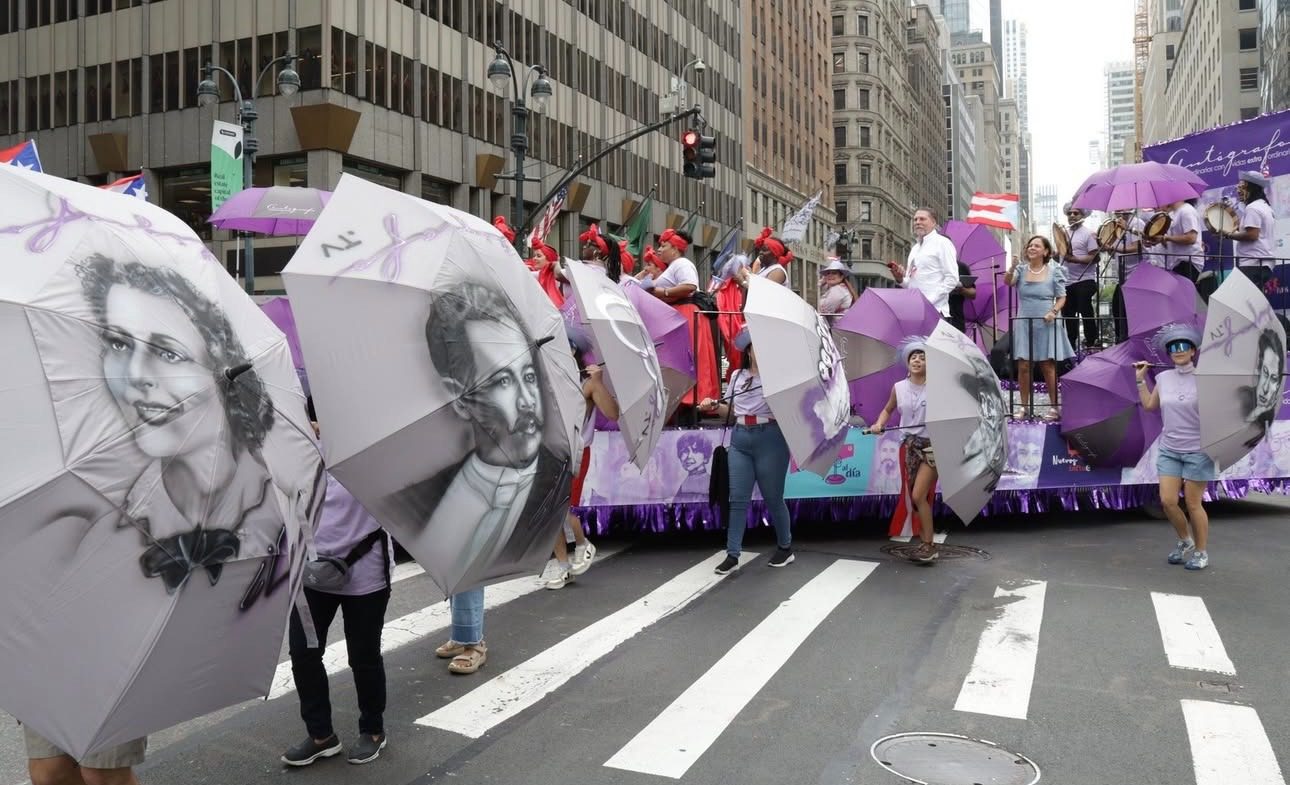
In 2017, organizers decided to honor Oscar López Rivera—an activist convicted for his ties to the radical group FALN. For some, he was a terrorist; for others, a freedom fighter. This decision led to a massive boycott: Goya Foods, JetBlue, Coca-Cola, AT&T, the New York Yankees, and several police organizations refused to participate. Despite the tension, the parade took place on June 12, 2017, and even Mayor Bill de Blasio joined the celebration. Ultimately, López Rivera opened the parade, stating that the main focus should be on Puerto Rico itself, not on him.
- Troubling Consequences (2000).
The darkest moment in the parade’s history occurred in 2000, when, following the celebration in Central Park, groups of young men committed assaults, robberies, and harassment against women. Video footage from the scene shocked the public, leading to numerous arrests. Security measures have been strengthened since then, but the shadow of that year remains long in the city’s memory.
But despite all the controversies, the National Puerto Rican Day Parade remains the largest demonstration of ethnic pride in the U.S.
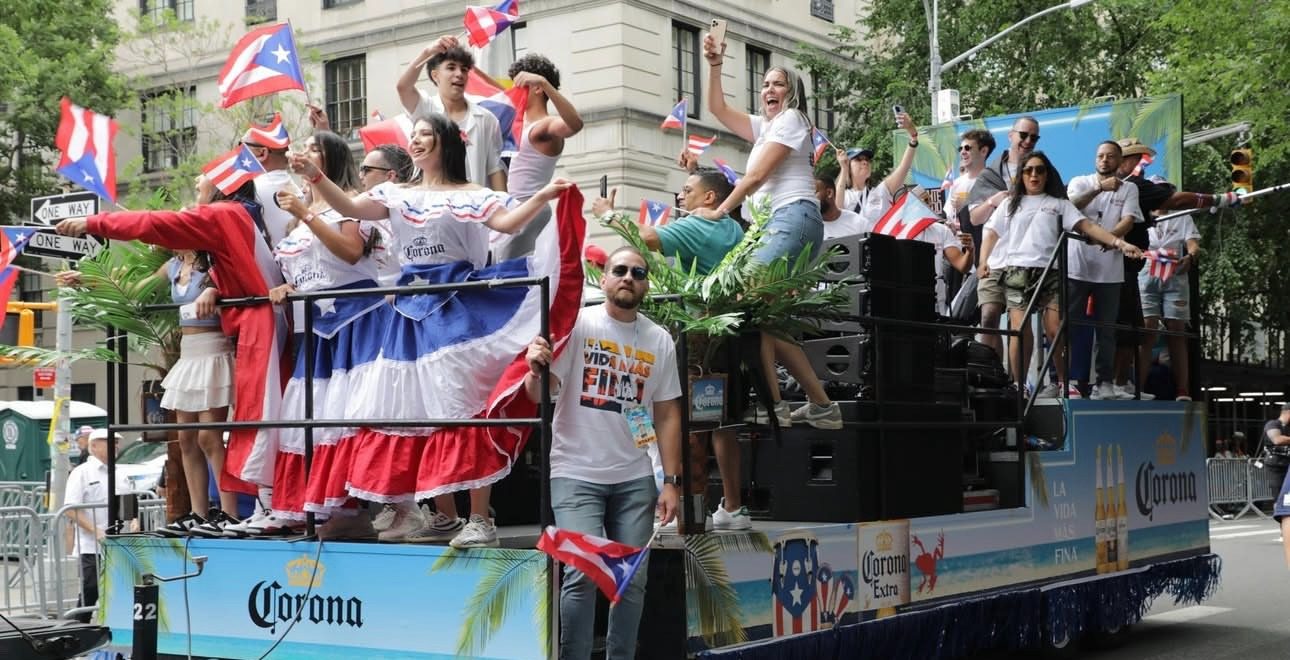
The 2025 National Puerto Rican Day Parade
On June 8, 2025, New York’s Fifth Avenue once again transformed into a sea of red, white, and blue—the 68th National Puerto Rican Day Parade took place here. The graphic symbol of the year—the Puerto Rican flag growing from the roots of a ceiba tree—was created by artist Jorge Rafael Calderón.
The special guest of the parade was boxing world champion Amanda “The Real Deal” Serrano. She is the first Puerto Rican undisputed world champion in the history of women’s boxing, listed in the Guinness Book of World Records for the most titles won in different weight classes.
The 2025 parade also celebrated Puerto Rican applied arts and urban culture. The television broadcast featured graffiti legend Lee Quiñones and art historian Dr. Yasmin Ramírez, who highlighted how Puerto Rican artists shaped the New York street art movement from the mid-20th century to the present day.
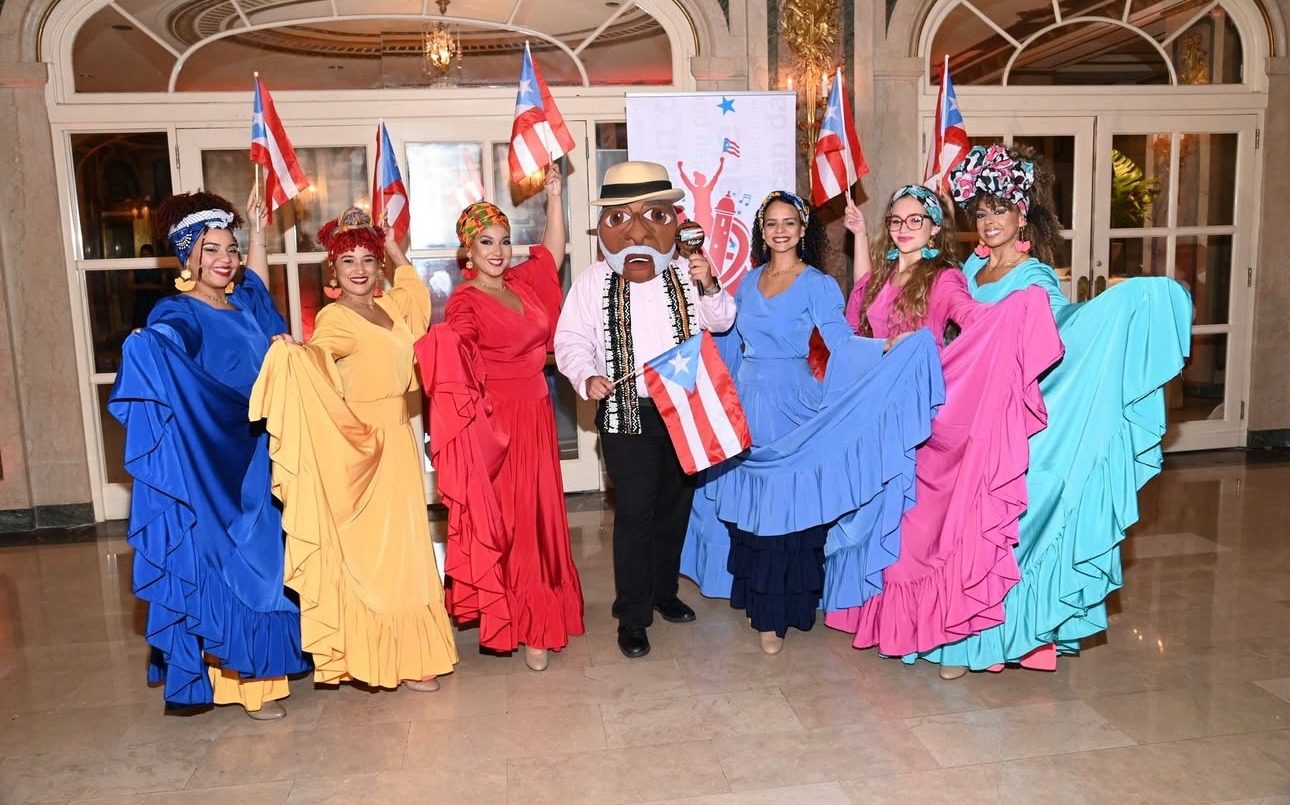
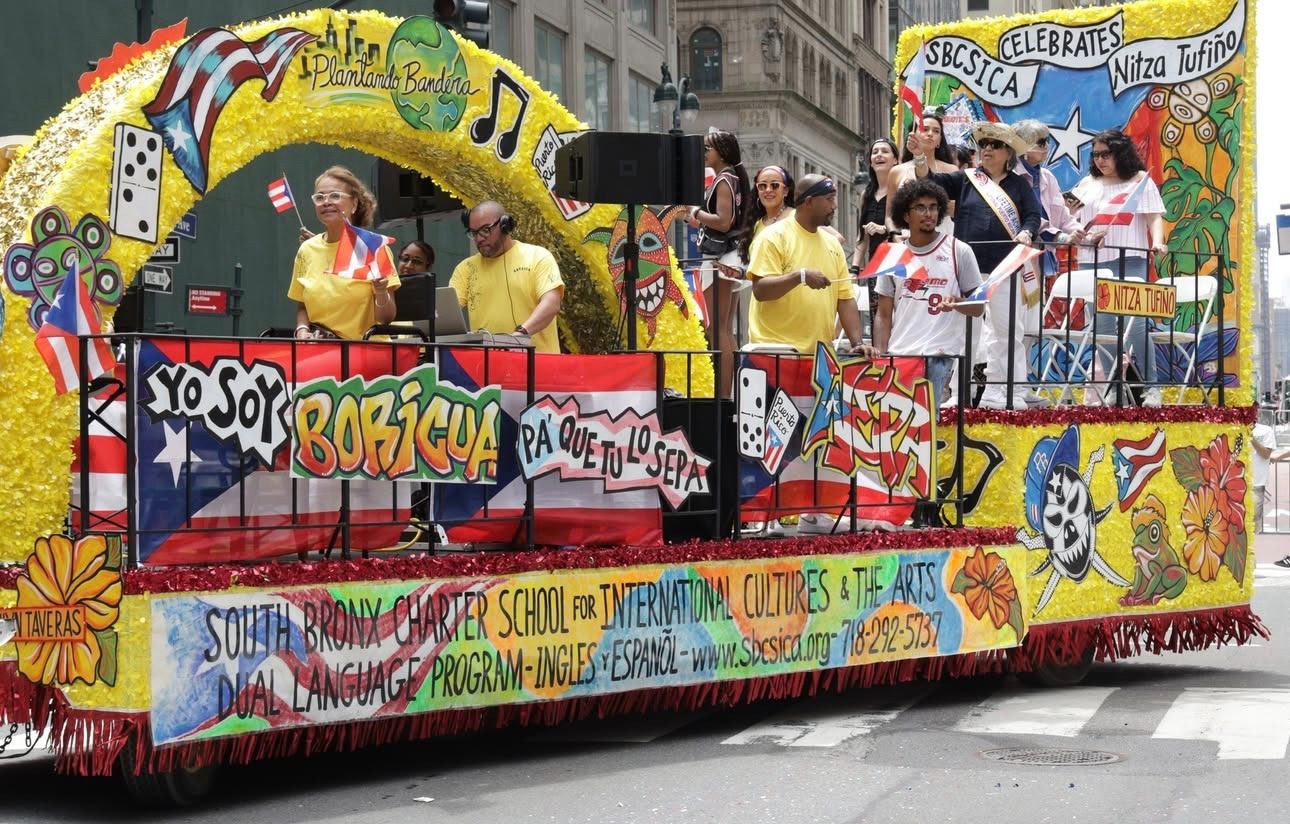
The 2025 honorees included philanthropist Wilnelia Merced Forsyth, artist Nitza Tufiño, screenwriter José Rivera, singer Norberto Vélez, photographer Rubén Natal-San Miguel, basketball player José Alvarado of the New Orleans Pelicans, and many other figures from culture, sports, and education.
The celebrations included:
- A Cultural Festival on 152nd Street in the Bronx (May 31).
- Mass at St. Patrick’s Cathedral (June 1).
- A Charity Gala at The Plaza Hotel (June 6), which honored 100 NPRDP scholarship recipients who received grants totaling $200,000.
For New Yorkers, this parade is not just a date on the calendar. It is the pulse of culture, pride, and community that, once a year, turns Fifth Avenue into a living sea of flags, dance, and endless Puerto Rican energy.