

Ella Fitzgerald was a global jazz legend, one of the most beloved and influential singers of the 20th century. She started her musical journey at 17, and over six decades, she recorded more than 200 albums. She sold over 40 million records in her lifetime. Fitzgerald often performed at the White House and collaborated with icons like Louis Armstrong and Frank Sinatra. She won 13 Grammy Awards and countless other prestigious accolades. Learn more about the life and songs of Ella Fitzgerald on newyorkski.info.
Childhood and Youth
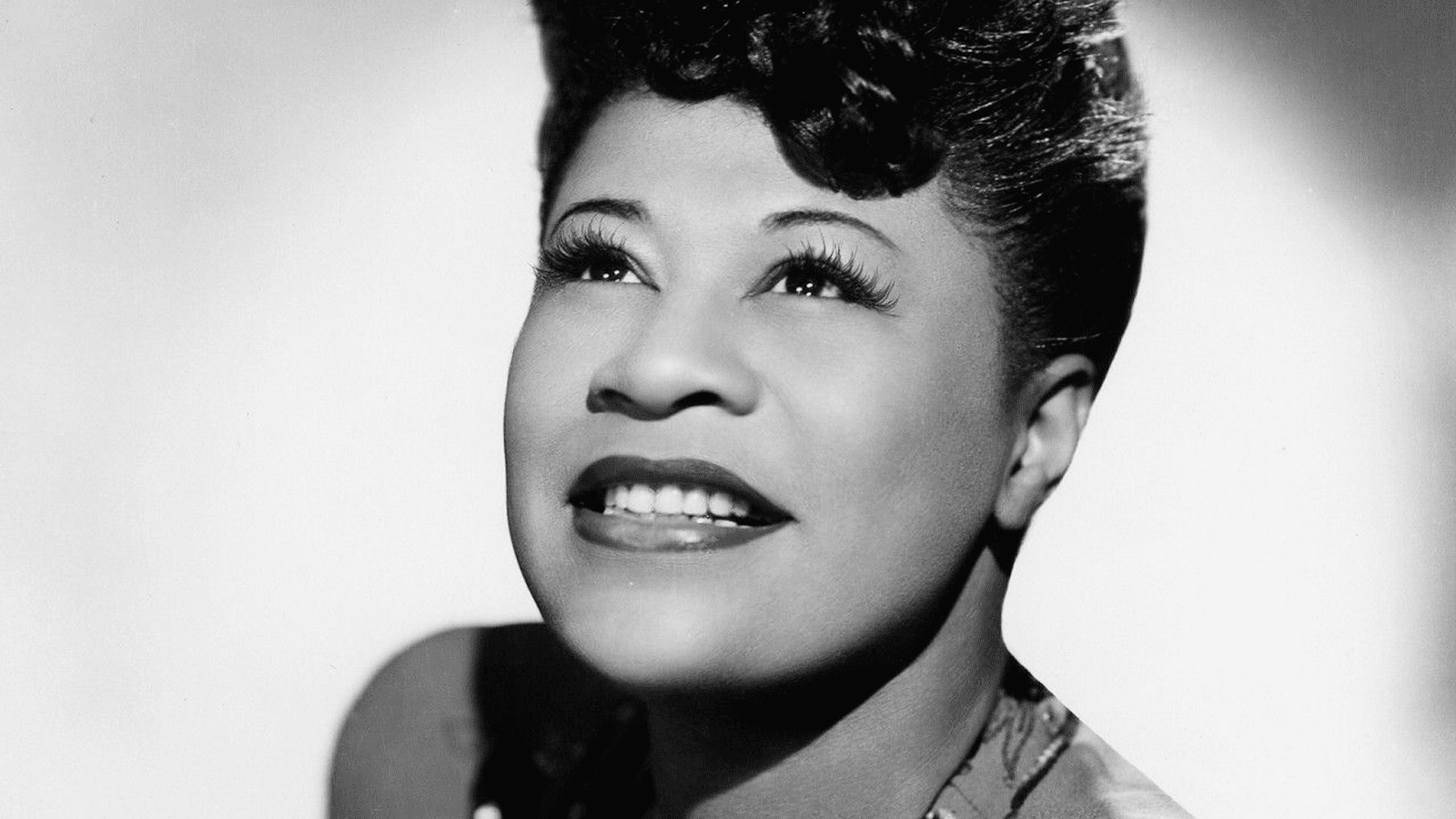
Ella Jane Fitzgerald was born on April 25, 1917, in Newport News, Virginia. Her father, William, a driver, left her mother shortly after Ella’s birth. Her mother then moved the family to Yonkers, New York, where she met a Portuguese immigrant who became Ella’s stepfather and the father of her younger sister. The family was religious, and every Sunday, young Ella would go to the local Methodist church with her parents. It was there she sang for the first time. She was a cheerful child who loved music, dancing, movies, and sports. Despite her family’s poverty, she dreamed of becoming a dancer and was always singing.
When Ella was 14, her mother died suddenly from a heart attack. After that, Ella stopped going to school, started fighting with her stepfather, and eventually ran away from home. She first went to live with her aunt in Harlem, who got her a job as a lookout for a brothel, where Ella was exposed to the world of the mafia. The police and child welfare authorities soon took an interest in the underage girl. Ella was placed in an orphanage in the Bronx and later transferred to a girls’ reform school. She ran away from there as well, ending up on the streets with nowhere to go.
The Start of a Musical Career
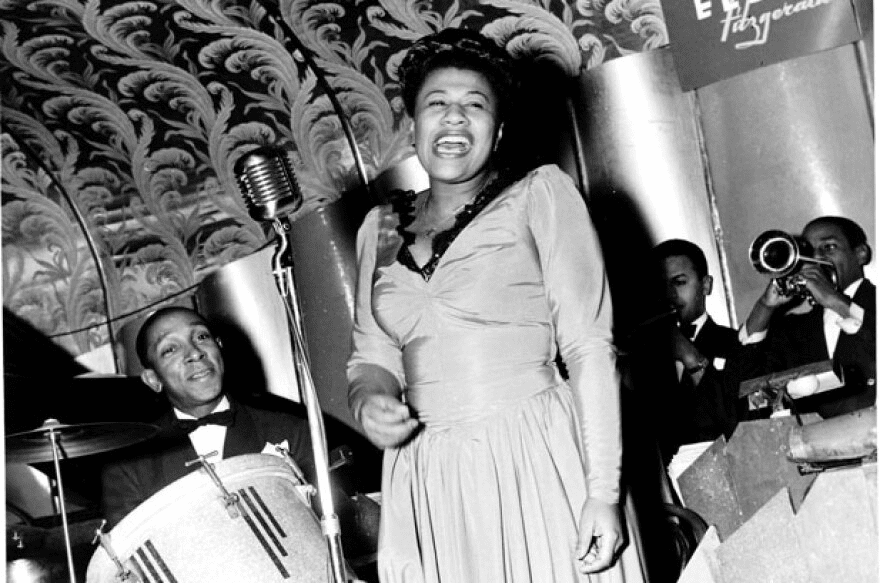
Alone once again, Ella headed back to Harlem and started working as a dancer in local clubs. A chance to change her life came in the fall of 1934. She heard about an amateur night contest for singers and dancers at the legendary Apollo Theater. Ella started preparing a dance routine, but at the last minute, she decided to sing instead. On the night of the performance, Fitzgerald wore her only decent dress and walked onto the stage. She froze, and her voice disappeared. But the host encouraged her to start over. Ella performed the song “Judy” with such grace that she captivated the audience, who decided the winner. The young singer won, earning a week-long gig at the Apollo and $25.
This marked the beginning of Fitzgerald’s gradual ascent to musical stardom. In 1935, she was hired by the famous jazz orchestra led by Chick Webb. Webb was looking for a talented singer, but when he first saw the unkempt, gangly Ella in men’s boots, he refused to even give her an audition. He was eventually persuaded, and after hearing her voice, he immediately signed her to a contract. That same year, she recorded her debut album with the orchestra. She went on to perform at the Apollo and the Savoy Ballroom, and soon, people from all over New York were coming to hear her. Her voice and sense of rhythm impressed not only the listeners but also her fellow musicians. Critics praised the young singer, and she continued to regularly record new albums and perform on radio and television. Benny Goodman invited her to his show, and Teddy Hill asked her to sing with his orchestra. Ella ultimately returned to Webb’s band, as he was the one who had truly helped launch her career. After the maestro’s death, she continued to lead the orchestra until 1942, when she decided to dedicate herself exclusively to singing.
Ella Fitzgerald’s Rise to Stardom
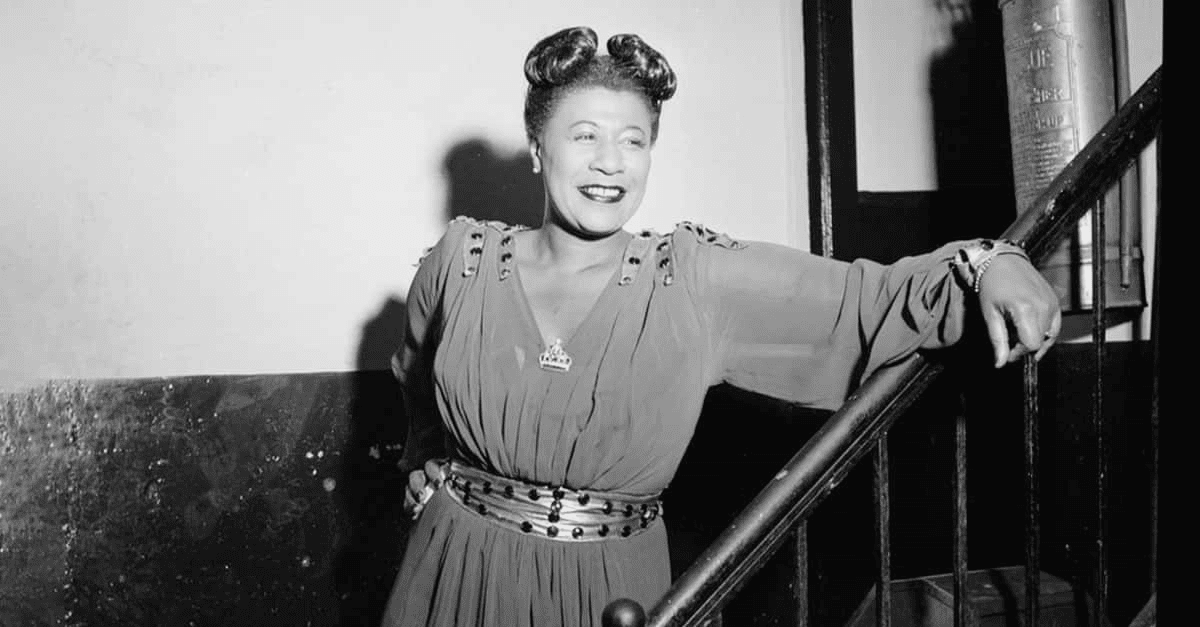
As a young woman, Ella was a huge fan of Louis Armstrong and often sang his songs. As her own career developed, she realized she should focus on her unique style rather than just covering other stars. Fitzgerald began studying improvisation and found her own niche in the world of jazz. Her star time came after World War II. Songs like “Flying Home” and “Lady Be Good” became international hits. The singer was dubbed “The First Lady of Jazz” and was listened to all over the world. Another hit was “All Of Me,” which had previously been performed by Louis Armstrong and Billie Holiday.
Ella’s jazz talent blossomed with the help of her manager, Norman Granz. He turned jazz into a genuine art form and played a vital role in Fitzgerald’s life. He not only chose her repertoire and musical arrangements but also took care of her daily needs, allowing Ella to focus on her music. At a time when segregation was still prevalent in the US, Granz was a strong advocate for African-American rights, and thanks to him, Fitzgerald’s fees were on par with other singers.
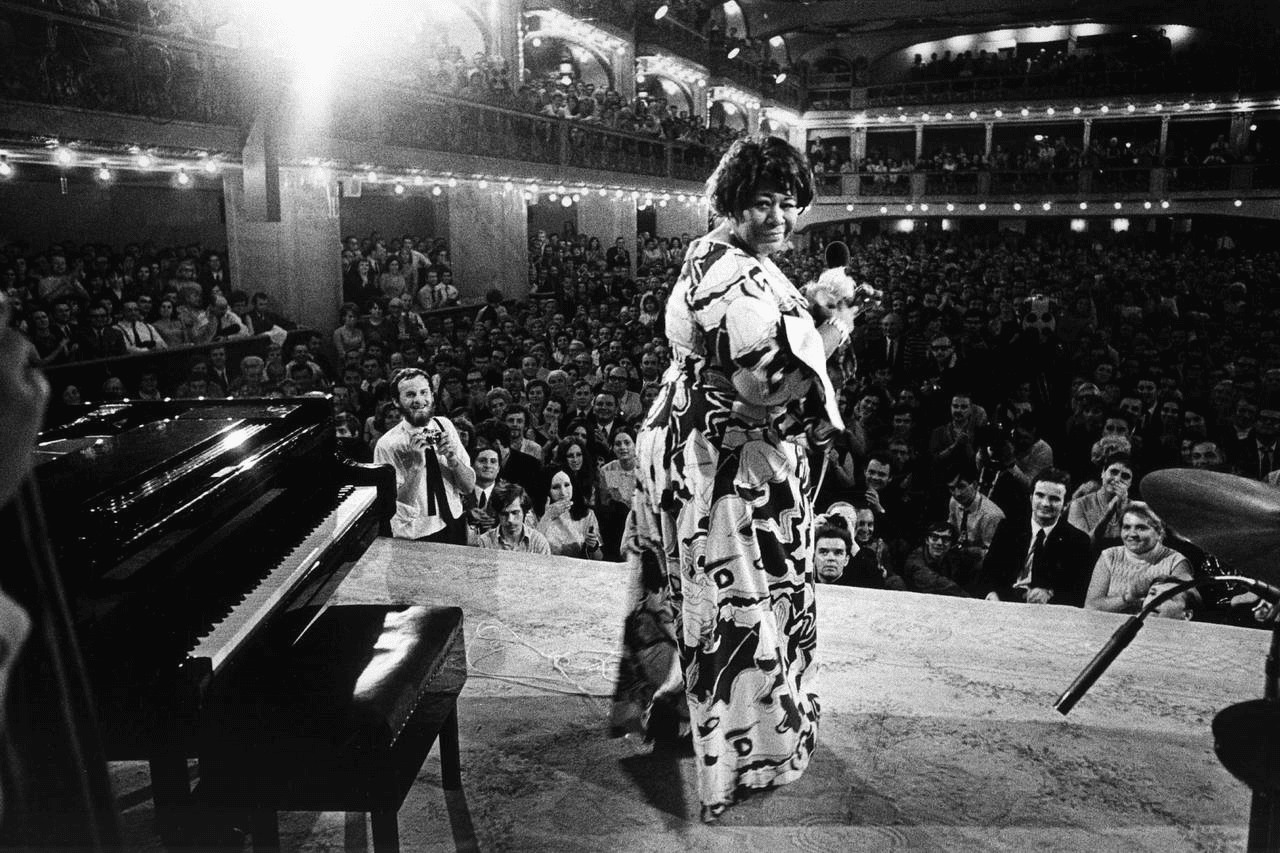
The song “Summertime,” both in her solo performance and as a duet with Louis Armstrong, became a timeless jazz classic. During this creative period, she turned her attention to the Great American Songbook, and Granz created the record label Verve Records. In addition to her music career, Fitzgerald was always interested in cinema. In 1955, she appeared in the film Pete Kelly’s Blues. When the Grammy Awards were first handed out, Ella Fitzgerald won two statuettes at once—for “Best Jazz Performance, Female” and “Best Vocal Performance, Female.” She was the first African-American and the first artist to win two Grammys in a single night. The 1950s and 1960s were the most productive years of Fitzgerald’s musical career. She had an incredible work ethic and amassed a great fortune, but she truly felt alive on stage. The star continued to sing into the early 1990s until her voice and health began to fail. Her last performance was in 1992.
The Famous Singer’s Personal Life
Ella Fitzgerald performed many iconic love songs, but her personal life was not a happy one. She married for the first time during World War II. After two years of marriage, she realized she had nothing in common with her husband and divorced him. Her second husband was Ray Brown, an African-American musician who played the double bass. They married in 1947, and this relationship lasted longer but also ended in divorce. The main issue was that married life pulled Ella away from her work, and after six years, she grew tired of trying to balance the two. Even after the divorce, the couple remained friends. They continued to collaborate on stage and co-parented Ella’s adopted nephew, Ray Brown Jr., who also became a jazz musician. In the late 1950s, rumors spread about the singer’s marriage to musician Thor Larsen, but this information was never confirmed.
Later Years
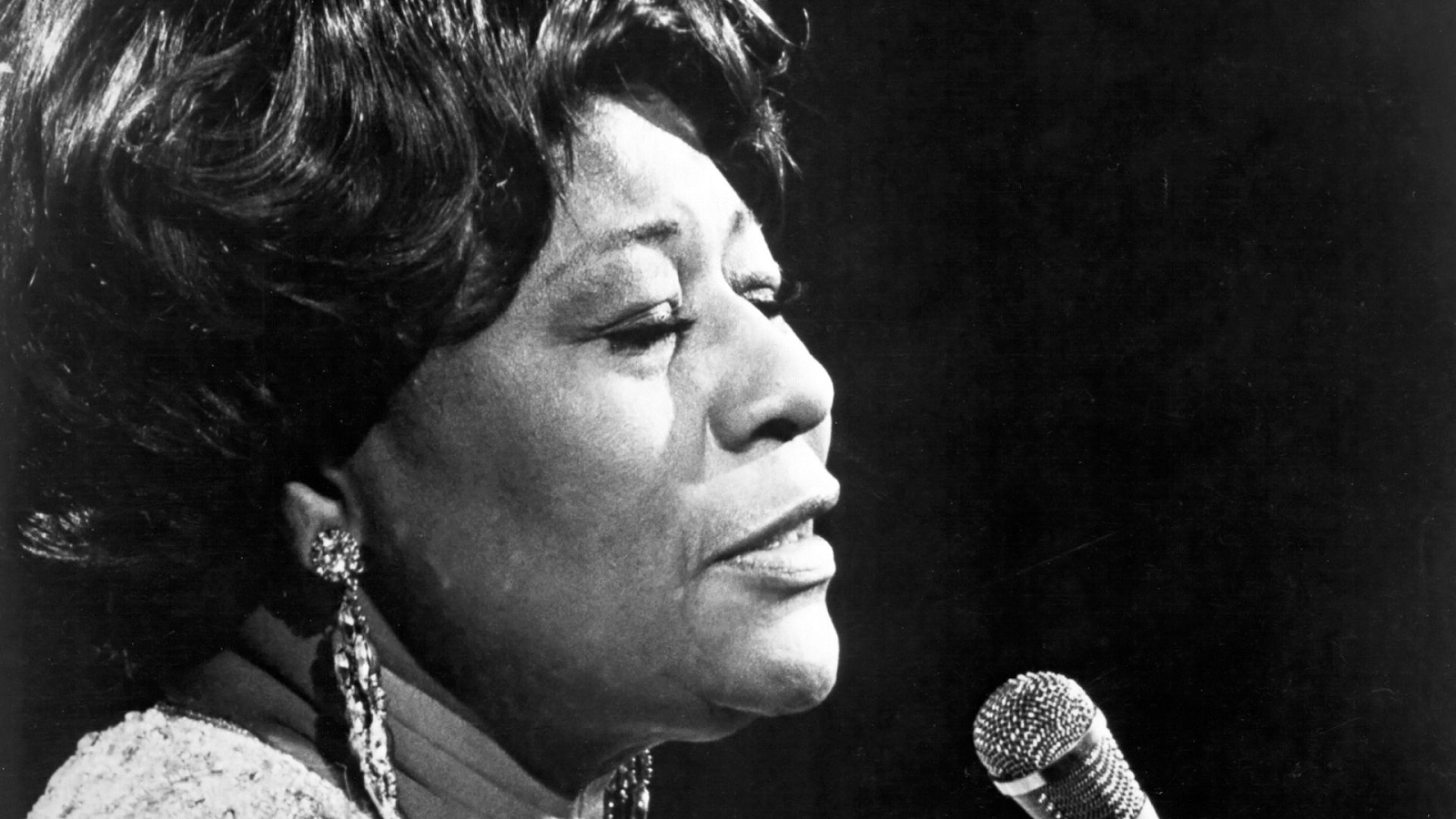
In the 1970s, Ella Fitzgerald’s health began to decline. She was diagnosed with diabetes, and her voice began to fade, but she continued to sing and perform. In 1986, she had heart surgery, followed by four bypasses. In 1993, due to advanced diabetes, both of her legs were amputated below the knee. She also lost her sight due to cataracts and became a recluse at her home in Beverly Hills. She was cared for by her son Ray and granddaughter Alice. The jazz star died on June 15, 1996, after suffering a stroke, and was buried at Inglewood Park Cemetery in Los Angeles.