

Henry Flagler is a name synonymous with the industrialization and rapid transformation of New York in the 19th century. Few people in American history have left such a huge and significant mark on urban development as this industrialist and innovator. Flagler’s legacy is incomparable. It begins with his early days of formation and ends with the creation of grandiose enterprises that shaped and developed the New York economy. Read more at newyorkski.info.
Early beginnings in business
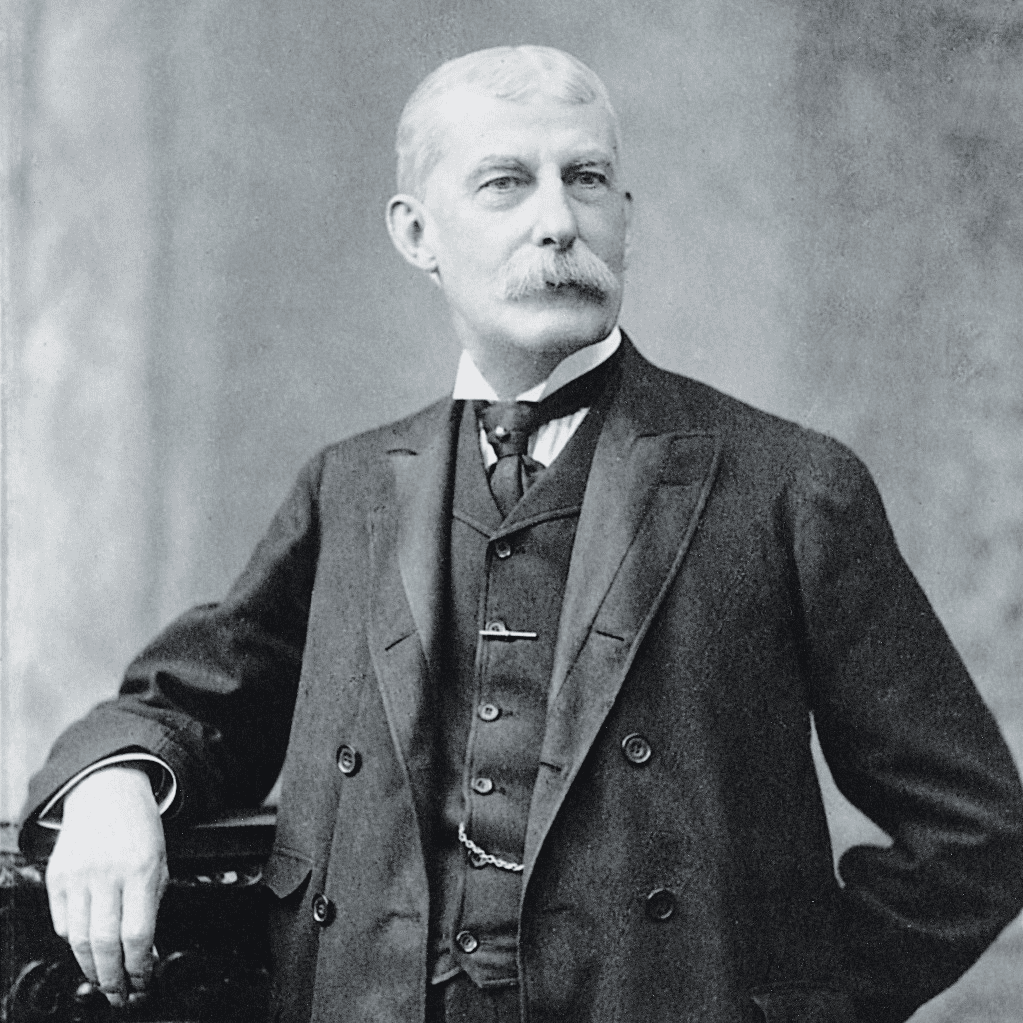
The story of industrialist Flagler begins in Hopewell, where he was born in 1830. He spent his entire childhood in New York State. He finished the 8th grade there, and at the age of 14, he went to Ohio to work in his uncle’s store. Initially, young Flagler received a monthly salary of $5, along with accommodation and meals. After working at his uncle’s store for 5 years, Flagler was promoted to sales assistant. He was already earning a salary of $40 a month. His career began to rapidly advance from this point. Soon, Flagler joined his uncle’s other business, the grain business. Thanks to this, he managed to accumulate a significant amount of money at a young age. From the very beginning, when Flagler became part of his uncle’s grain and salt business, he demonstrated all his entrepreneurial skills. However, it was the oil industry that truly unleashed his potential. Collaborating with John D. Rockefeller and Samuel Andrews, Flagler founded Standard Oil in 1867, a company that forever changed the oil sector in the United States.
Success story
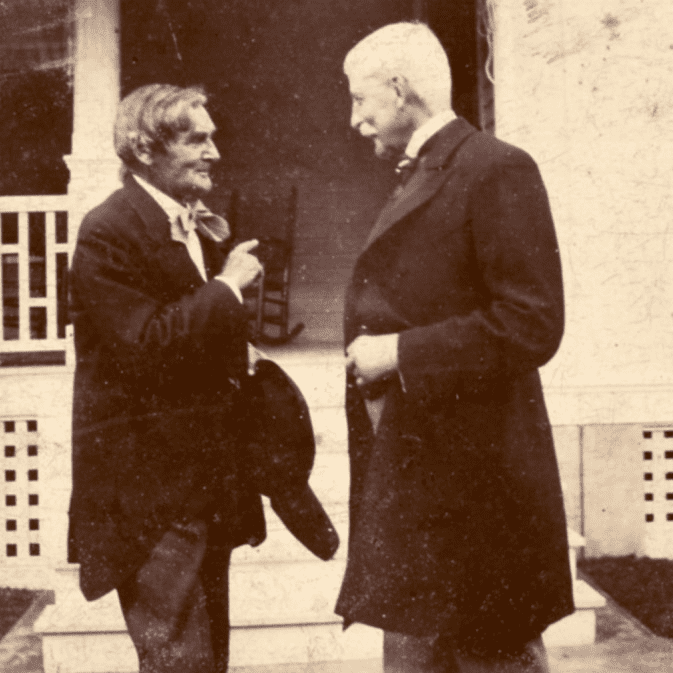
Before creating Standard Oil, Flagler’s great ambitions helped him found a company called Flagler and York Salt, a salt mining and production company in Michigan. The company did not operate successfully for long. After the collapse of his salt business, Flagler returned to the grain trade at the Harkness Grain Company. Through this work, he met John D. Rockefeller, who was working as a commission agent for Harkness Grain at the time.
Later, a new niche emerged in the United States where huge amounts of money could be made: the oil refining industry. As a result, Rockefeller left Harkness Grain and opened his own oil refinery. However, it was not so simple. In the mid-19th century, such a business required significant investments, which Rockefeller decided to ask Flagler for. The latter, in turn, invested $100,000 through his brother on the condition that he would become a partner and also represent his brother’s interests in the business. Thus, a partnership was formed, which later evolved into Standard Oil. Thanks to horizontal integration, after a few years of operation, Standard Oil gained almost complete control over the refining and marketing of oil throughout the country.
Birth of an idea: the Central New York and Florida East Coast Railway
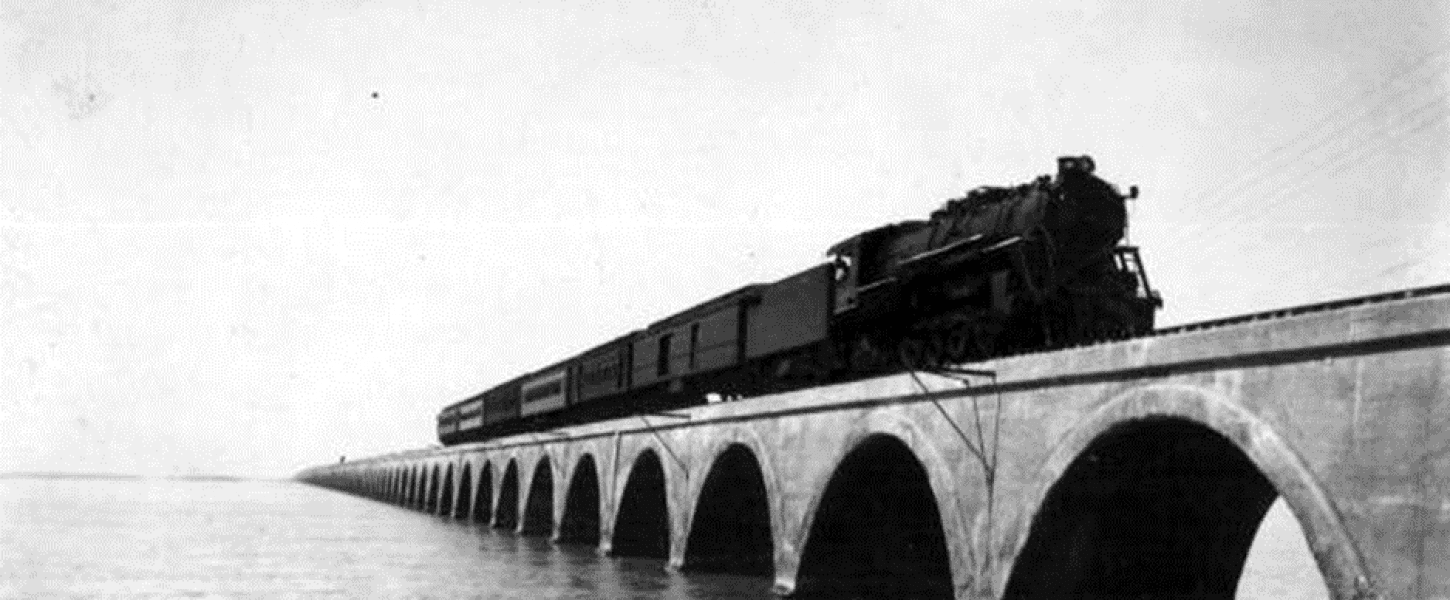
In addition to the oil industry, Flagler invested large sums in the development of infrastructure in American cities. One such place was Florida, where he built a series of hotels and a railroad. It was a rather ambitious project, conceived as a complex network that connected the north and south of the United States. This project became not only an engineering feat but also a testament to Flagler’s determination and foresight.
In the 1890s, Flagler’s railroad gradually expanded. As part of this grand project, he laid not only railroad tracks but also built canals, new streets, installed the first water and electricity supply systems, and much more. This way, at the end of the 19th century, New York was connected to the south of the country. Florida at that time beckoned with huge tourist potential, and Flagler realized it. Therefore, understanding this, he transformed this region into a magical harbor.
The Florida East Coast Railway is one of his major achievements. It connected major Florida cities along the east coast. This transformation spurred trade, commerce and tourism, turning Miami and Palm Beach into luxurious vacation destinations.
Development of New York
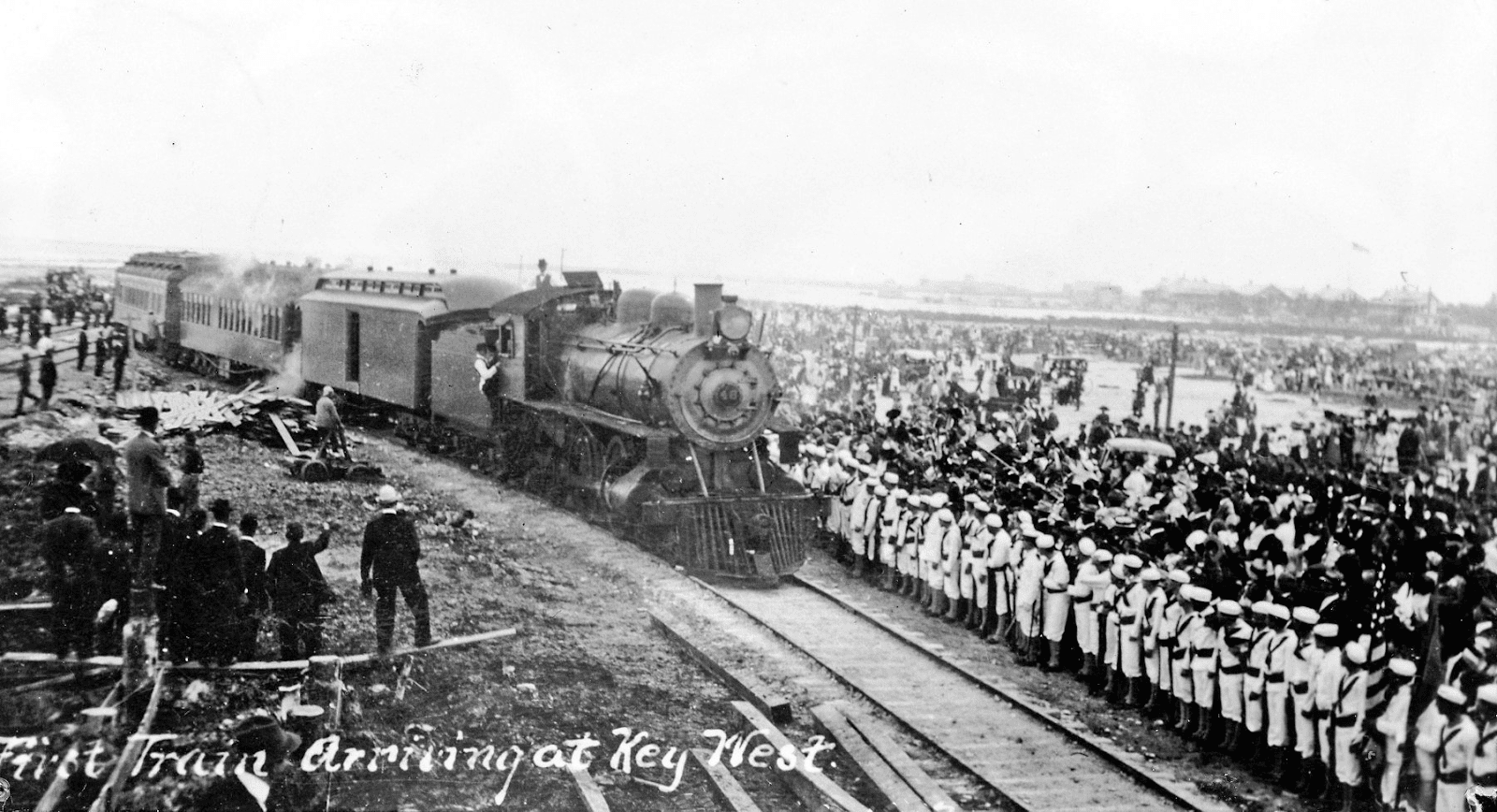
Flagler’s influence extended to New York. He brought about a multifaceted transformation of this city. As the Central New York and Florida East Coast Railway expanded its tracks, it became a catalyst for urban sprawl. Prosperous neighborhoods sprang up along these railroad lines, adapted to the needs of the population. People came to New York because of the improved accessibility and constant development.
In addition to the railroads in New York, Flagler invested in the construction of new tall skyscrapers that changed the city’s appearance forever. Thanks to Flagler’s investments, New York became a global financial center and a model of 19th-century urbanization.
Undoubtedly, Flagler made a huge contribution to the development of various economic sectors in the United States. From the revolution in the oil industry to the changing urban environment and tourism development in Florida, his activities are still relevant even in the 21st century.