

In the rich history of 19th-century New York, amidst dynamic industrialization and social evolution, the name Russell Risley Sage was incredibly popular. For good reason, as he was one of the most well-known and wealthiest people not only in New York but in the entire United States during the 19th century. He was a successful financier, railroad owner and even a politician. However, it was his collaboration with Jay Gould, a railroad magnate of the time, that brought him unprecedented fame and fortune. Do New Yorkers know who Sage was, one of the most famous, wealthiest and prominent figures of the 19th century in the USA? Read more at newyorkski.info.
Sage before becoming a billionaire
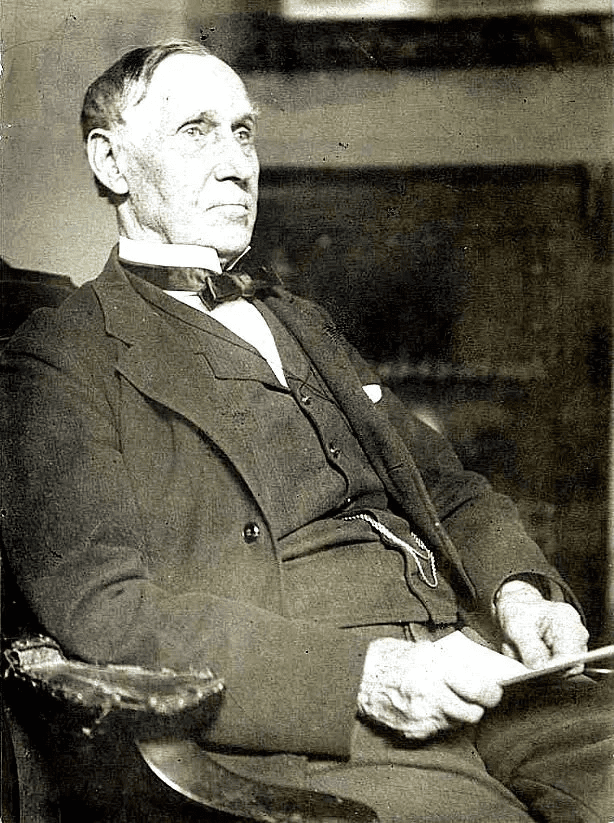
Russell Sage was born in 1816 in Verona, Oneida County, New York. Like many born in that era, he grew up in modest conditions in an ordinary farming family. His early years instilled in him such values as hard work, frugality and adaptability. These were true acquired values that later defined his personality. Although Sage’s formal education was limited, his insatiable curiosity drove him to constantly explore various fields of science through reading and observation.
Nevertheless, Sage attended public school and worked as a hired hand until the age of 15. He also worked as an assistant in his brother Henry’s grocery store. A few years later, he got a share in the store.
At the age of 25, Sage decided to start a political career. In particular, he worked as:
- alderman of Troy (re-elected to this position until 1848)
- treasurer of Rensselaer County for seven years
- a member of the U.S. House of Representatives as a Whig
- a member of the Ways and Means Committee.
The path to fame
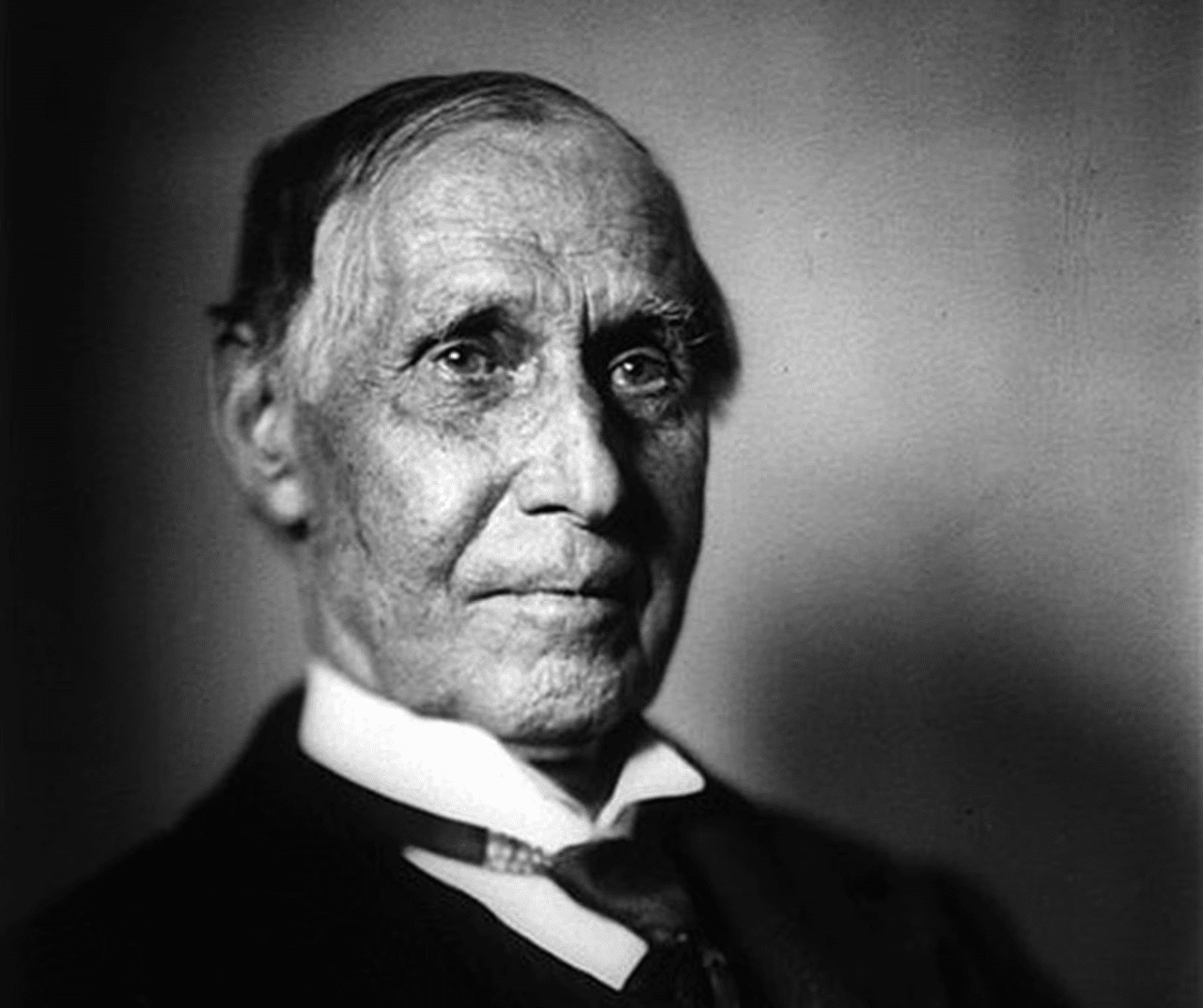
Soon, Sage realized that politics was not his cup of tea. He left this type of activity, moved to New York and got involved in options selling. Specifically, he sold put and call options. He also engaged in selling short-term options, better known as privileges. It was Sage who developed the stock options market in the United States to an unprecedented scale in the 19th century. Moreover, he was the one who created option strategies such as “spread” and “straddle,” which are widely known in the 21st century.
Sage’s success in the U.S. financial sector in the 19th century lay in his foresight, allowing him to capitalize on growing opportunities in the constantly evolving American economy. His visionary investments in railroads and telecommunications demonstrated his exceptional talent, which led to the accumulation of considerable wealth. Most notably, he became renowned when he financed an innovative project to build a transcontinental railroad. This decision forever cemented his status as a financial titan in the history of New York and the United States. His action had a monumental impact on the country’s infrastructure.
However, this success would have been impossible without Sage’s set of unwavering business principles that guided his every move. His commitment to cautious investment, diligent research and unwavering pursuit of long-term gain set him apart from other financiers.
Assassination attempt and later life
In 1891, an assassination attempt was made on Sage in his New York office. Specifically, Henry L. Norcross came to him under the pretext of talking about railroads. When Norcross entered Sage’s office, he handed him a letter demanding the payment of $1,200,000. Sage refused to pay this amount and ignored it. After that, Norcross came to Sage’s New York office again, this time with dynamite, and detonated it. Norcross died on the spot, while Sage was injured.
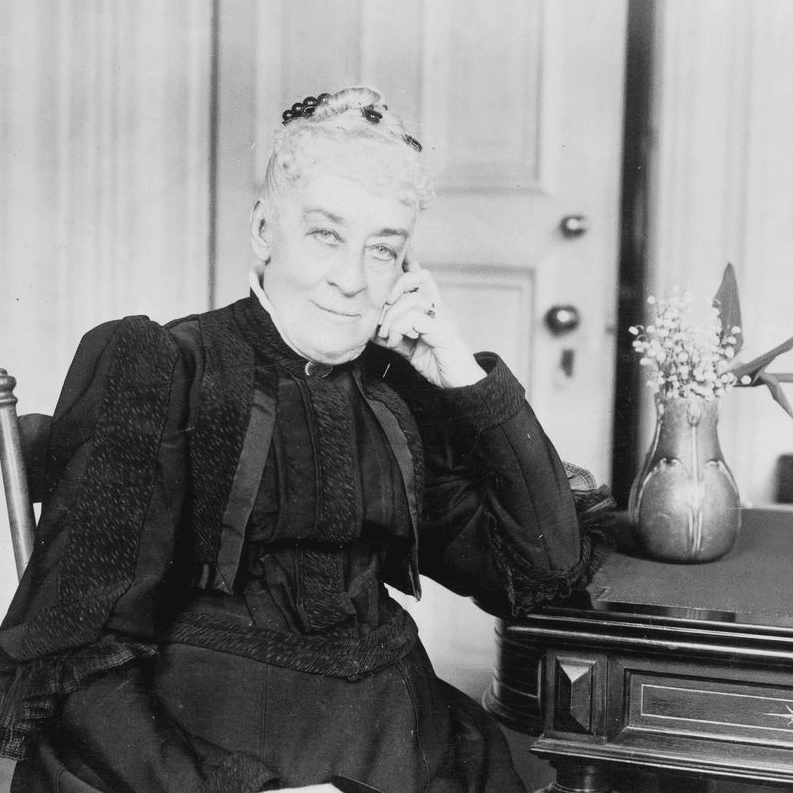
During his lifetime, Sage was known not only for being one of the wealthiest men in New York and the United States in the 19th century but also for his popularity among women. Despite being married twice, he had many mistresses. There were even rumors that Sage had a child with a maid.
One of the most famous and influential figures of the 19th century passed away in 1906. All of Sage’s inheritance went to his wife, who directed a significant portion of the wealth towards charitable causes. In 1907, she created the Russell Sage Foundation, which was focused on improving social conditions through innovative research and solutions. In 1916, she founded Russell Sage College. After his death, Sage’s wife mostly made charitable donations to education, contributing some buildings to the city as well as institutions she inherited. In this way, she wanted to develop women’s education, which was not as well developed in New York at the time.
Russell Risley Sage endured a difficult journey. From a young age, he had to work and educate himself. Even then, he understood that without knowledge and experience, he would not be able to achieve anything in life. All this undoubtedly helped him become one of the most prominent and successful figures of the 19th century in New York. His work is an example of steadfast determination, innovative thinking and a desire for the best. His deep knowledge of finance, principled business ethics, political activism and rich legacy made a huge contribution to the development of New York society.