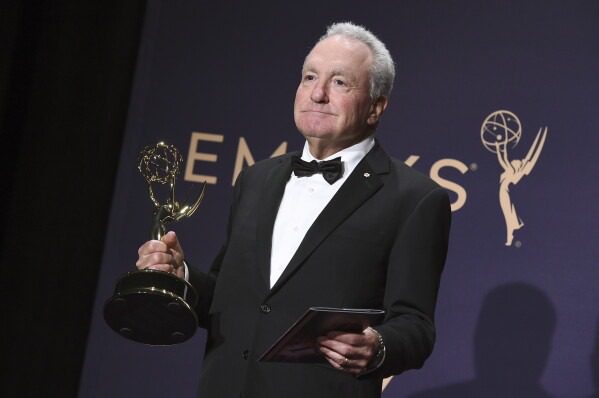
For over 50 years, Saturday Night Live (SNL) has remained one of the world’s most famous comedy shows. Some adore its humor, others eagerly await the next guest host, while some never tire of criticizing it. But whatever feelings SNL evokes, it never leaves viewers indifferent. It’s no wonder the program has aired over 50 seasons, securing its status as one of the longest-running shows in American television history. Moreover, Saturday Night Live has always been shrouded in questions: what is the secret to its massive success? How did it gain such incredible influence? And why do its cast members inevitably become superstars? That last point is particularly intriguing, as the project has long been dubbed the ultimate talent incubator. Let’s delve into the phenomenon of this iconic show in this article on newyorkski.info.
The History of Saturday Night Live
The premiere episode of Saturday Night Live aired on October 11, 1975, marking the beginning of a long and storied history. While the project started as a massive gamble for NBC, the network frankly had no other choice. At the time, the Saturday late-night slot desperately needed a quality replacement for reruns of The Tonight Show Starring Johnny Carson. The task was handed to two creative and ambitious producers: Dick Ebersol and Lorne Michaels. While Ebersol was already part of the broadcasting network, Michaels was a complete mystery to the executives. However, he won the team over with his sheer creativity and relentless work ethic. The duo got to work and developed a brand-new concept in just a few months. They pitched the idea of a variety show: music, dancing, comedy, news, and celebrity guests—all broadcast live. That was their bold vision.
Despite the original concept, many doubted the new show’s potential for success. Truth be told, everyone knew that betting on a sketch comedy meant stepping into the unknown. Yet, the creators refused to compromise on a single detail. What the network executives considered “too much,” Ebersol and Michaels saw as a fresh perspective. The team aimed to attract a younger audience and revolutionize how people perceived humor—and in 1975, they did exactly that. Since then, Saturday Night Live has taken over Studio 8H in Rockefeller Center, which became a true home for the entire cast. The pilot, like all subsequent episodes, was broadcast live. Although the creators had a clear vision for the script, some things came down to pure luck. For instance, when star comedian Albert Brooks turned down the role of a permanent host, the brilliant idea of having a different celebrity guest every week was born. This move ultimately became SNL’s signature trademark.
From its very first season and episode, SNL established itself as a major player in the media landscape. While the show certainly faced its share of failures and rocky seasons, it managed to weather the storms. Lorne Michaels played a massive role in this survival. Rightfully considered the father of Saturday Night Live, he pitched the original concept and fought year after year for its perfect execution. What started as a lighthearted creative playground eventually grew into a massive television institution with undeniable success, a rock-solid reputation, and millions of devoted fans—an empire Michaels had to steer.
How Does the Iconic Show Work?
While everything looks effortless and breezy on screen, producing a live comedy show is a monumental challenge. The SNL team has been successfully tackling it for over 50 years. From the very first episode, Lorne Michaels insisted on broadcasting live, which became the show’s crowning feature. It was crucial for the producer to maintain a live connection with the audience, ensuring the whole country laughed at exactly the same time. For the crew, this concept meant working non-stop in turbo mode. Live broadcasting is the ultimate test of skill in television, and Saturday Night Live made this risky choice consciously, knowing that both their triumphs and their blunders would unfold in real time before millions of viewers.
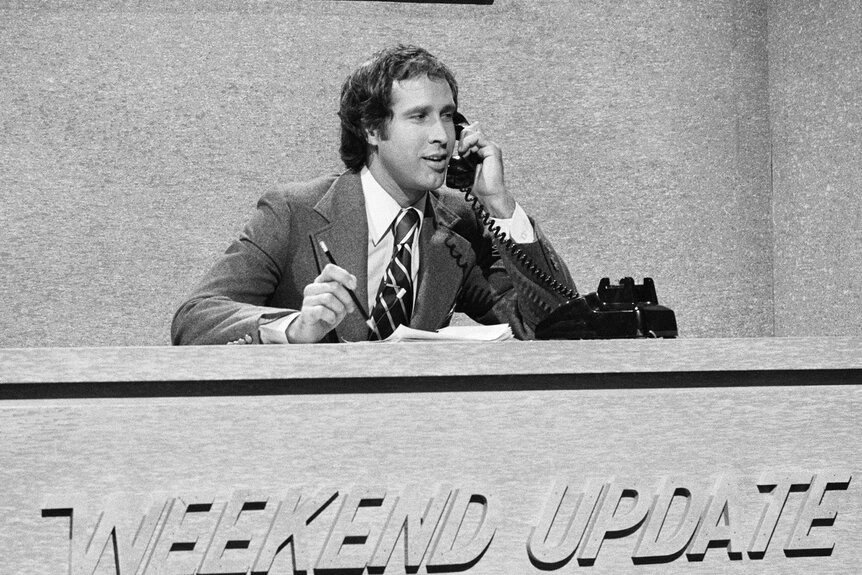
For decades, SNL has faithfully stuck to a proven formula: a mix of sketch comedy performed by the core cast, the satirical Weekend Update news segment, a celebrity guest host’s monologue, and a musical performance. While any experienced TV producer would say that preparing an episode of this magnitude takes at least two weeks, the SNL crew pulls it off in just one. The cycle kicks off on Monday, when writers, actors, producers, and the guest host gather in a large conference room. That day is all about brainstorming—pitching ideas, drafting rough sketches, and discussing the week’s general concept. By Tuesday, the writers dive into a 24-hour marathon to script the show. Once a massive stack of sketches hits the table, each one goes through a table read. Until a joke is spoken aloud, there’s no telling how an audience will react. Out of dozens of concepts, no more than 10 make it to the final cut and into the live broadcast. Once the lineup is locked in, the technical departments step in to work their magic.
As Lorne Michaels often points out, there is never enough time to put together Saturday Night Live, but the show must go on. It defies logic that such a massive undertaking can be completed in just six days, yet SNL has been proving it possible for decades. Everyone on the team has specific tasks and strict deadlines. For instance, full rehearsals might only start on Friday, and the opening monologue is often finalized just hours before Saturday’s premiere. But the moment the “ON AIR” sign lights up, the chaos miraculously comes together into a perfect picture. The SNL crew runs a marathon and a sprint simultaneously: the show has been on the air for years, but they only get a few days to create each episode. On Saturday night, Saturday Night Live shines; Sunday is for recovery; and on Monday, the crazy carousel starts all over again.
Stars Who Launched Their Careers on SNL
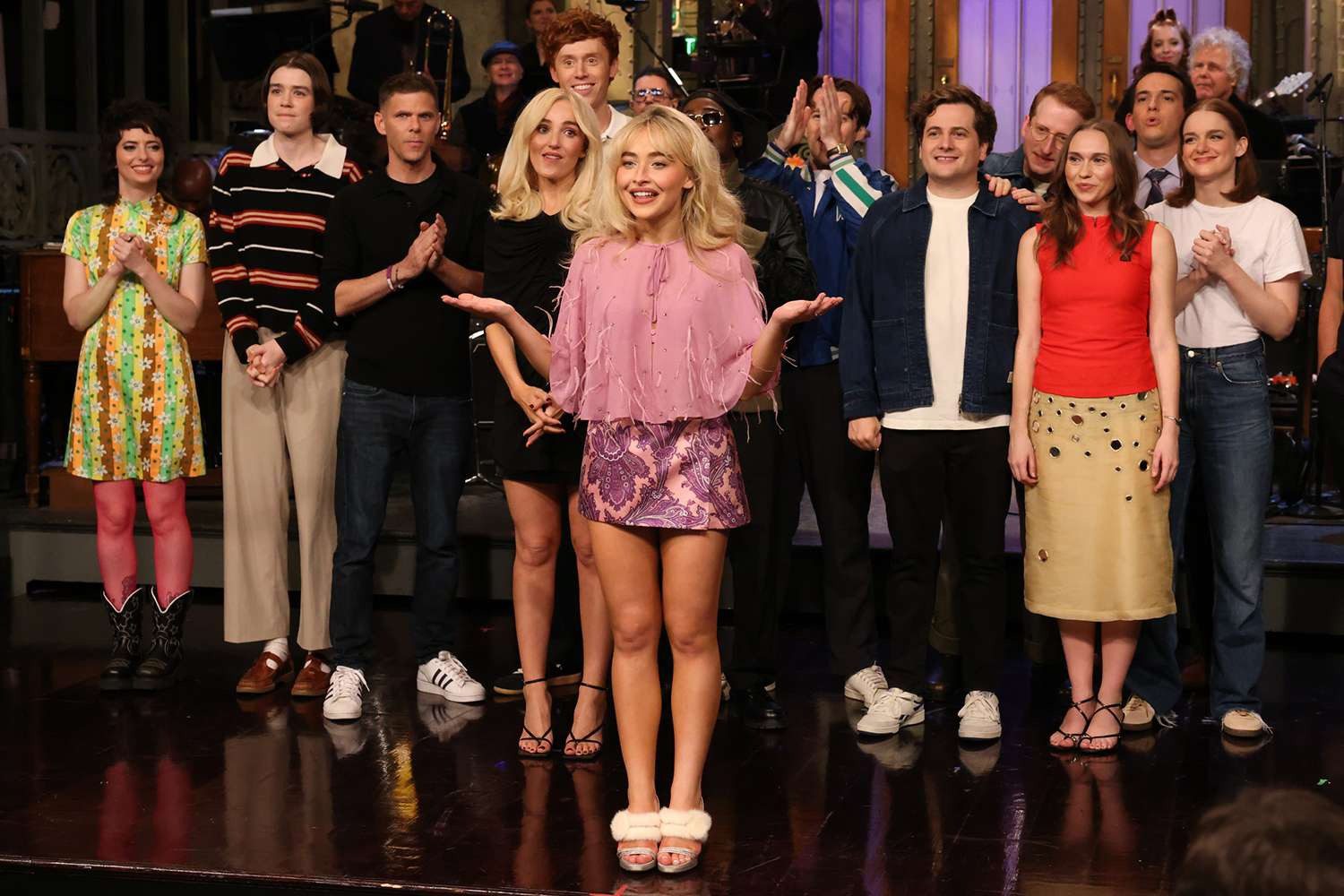
Over its long run, Saturday Night Live has cemented its reputation as the ultimate talent forge in American show business. Lorne Michaels, meanwhile, has become legendary for his uncanny ability to discover new stars. Having started as a dedicated comedian himself, he knows exactly what he’s looking for in a cast member. Since SNL is built on sketch comedy and improv, they primarily scout sharp writers and brilliant stand-ups. While many view the show as the perfect springboard to a massive career, getting cast is notoriously difficult. If an actor survives the grueling audition process, they usually start as a “featured player”—a rookie given minor, episodic roles. After a season or two of proving themselves, they get promoted to “repertory players,” joining the main cast. Talent at SNL is forged in an environment of fierce competition and an exhausting schedule. It’s no surprise that after surviving this television boot camp, many cast members go on to achieve immense success across the entertainment industry.
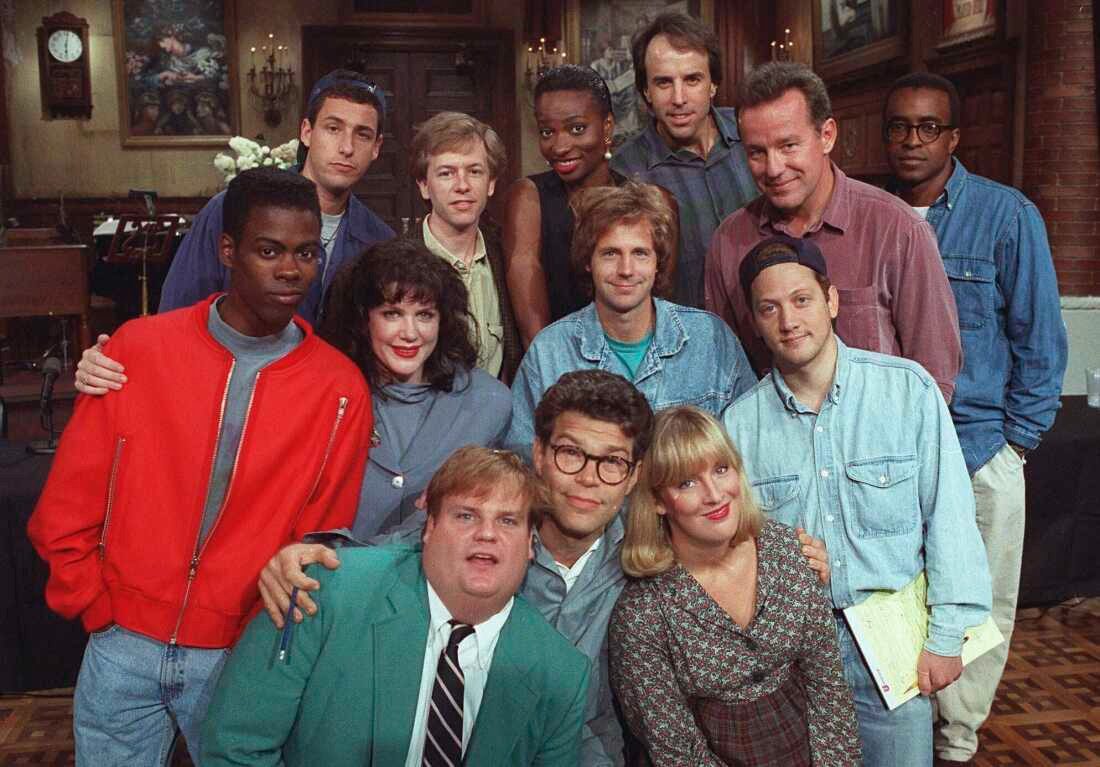
Part of the SNL phenomenon is its ability to churn out new superstars right from its very first season. Chevy Chase kicked off this tradition; he debuted alongside the show itself and left just a year later to conquer Hollywood in hit comedy films. Eddie Murphy joined the cast at a very young age, and his relationship with the show proved to be incredibly mutually beneficial. He arrived when SNL was going through a major slump, and it was Murphy’s undeniable charisma and talent that carried the show’s ratings during the difficult 1980s. When he eventually left, he skyrocketed to global movie stardom. Interestingly, Eddie even managed to host the show while still being a cast member. A similarly spectacular film career awaited Adam Sandler. His provocative humor and rebellious nature sometimes caused headaches for the SNL brass, but the audience absolutely adored him. Jason Sudeikis, who joined in the early 2000s, dedicated many years to the beloved program. He quickly won the audience over with his charm—a trait that still works flawlessly today, as seen in his hit role as the lovable and funny coach, Ted Lasso.
Tina Fey also conquered Saturday Night Live with her sharp wit and talent. She started as a writer, fought for screen time, and eventually reached the ultimate career peak within the show by becoming the anchor of Weekend Update. Naturally, she went on to achieve massive success as an independent actress and showrunner. Meanwhile, the famous host and charismatic comedian Jimmy Fallon only made it onto the show on his second attempt. Working at SNL was his lifelong dream, and it ultimately served as a launchpad for his very own late-night program, The Tonight Show Starring Jimmy Fallon. The legendary TV studio also gave a start to Chris Rock, Pete Davidson, Bill Hader, Amy Poehler, Kate McKinnon, Tracy Morgan, Kristen Wiig, Will Ferrell, and many others. The list is virtually endless, as Saturday Night Live introduces brilliant new talent to the stage every single season.
Why Does Saturday Night Live Remain America’s Most Influential Comedy Show?
The moment Saturday Night Live aired its first episode, it forever changed the landscape of television comedy. Lorne Michaels refused to follow outdated comedic tropes or copy someone else’s formats; instead, he gambled on the bold and the unknown. Right up until the premiere, network executives doubted the viability of the project, but the results exceeded all expectations. Sharp jokes, biting political satire, unfiltered truth, and topical relevance—this is what the team brought to American audiences. And no matter the pushback, Michaels never compromised his creative vision, which ultimately paved the way to triumph.
It’s hard to overstate SNL’s impact on the comedy industry. During its first season, people scoffed at the cast because it featured zero big names. That would never happen again, as the sketches performed by those unknown actors quickly reached cult status—just like the performers themselves. Leading by example, Saturday Night Live inspired others to create without rigid boundaries or rules. Certain characters became so beloved that they evolved into genuine cultural touchstones. Catchphrases from the sketches instantly became memes, while visual concepts successfully transitioned into merchandising. Furthermore, the show set an incredibly high bar for television production quality. Its grueling pace still seems like an impossible mission to most industry peers. Yet, the crew has never backed down from the live format, wearing their inevitable slip-ups like a badge of honor. But the sheer thrill of a flawless broadcast remains an unparalleled feeling.
Over time, Saturday Night Live carved out not just a comedic niche on television, but a crucial informational one as well. Sure, the news is delivered through a lens of irony and sarcasm, but there is always truth hidden beneath the jokes. Viewers understand this perfectly, eagerly awaiting each new episode to share in the actors’ reactions. The show has never been afraid to tackle issues that truly matter to society. Unsurprisingly, over decades on the air, the outspoken cast has made its fair share of enemies. However, Lorne Michaels has always maintained that the program doesn’t serve any political party; it merely reflects current events with an impartial comedic eye. And the public eats it up. Often, while the writers are still brainstorming how to spoof a fresh news story, audiences are already compiling their own “wishlists” online. History shows plenty of instances where a biting SNL sketch has directly influenced public mood, opinions, and even voting decisions. All of this only reaffirms the phenomenal significance of this iconic show, which, defying all odds, continues to stay as relevant as ever.