

Lorne Michaels is one of the most influential figures in the history of American television. His name is inextricably linked with Saturday Night Live (SNL)—a cultural institution that, since 1975, has transformed live television comedy into a cornerstone of American pop culture. The show has served not only as a powerhouse for political satire and topical humor, but also as a launching pad for dozens of celebrated comedians, actors, and writers. By 2026, the Television Academy recognizes Michaels as the all-time record holder for the most Emmy nominations for an individual: an astounding 113 nominations and 24 wins. Read more at newyorkski.info.
Who Is Lorne Michaels?
Lorne Michaels was born Lorne David Lipowitz on November 17, 1944, in Toronto, Ontario, Canada. Raised in Toronto, the future television powerhouse attended University College at the University of Toronto, graduating in 1966 with a Bachelor of Arts in English. During his college years, Michaels honed his craft performing in the student theatrical troupe, the UC Follies.
He launched his professional career in Canada as a writer and radio host for the CBC. Michaels soon relocated to Los Angeles, working as a writer on various television comedy series. Throughout the 1970s, he continued to develop comedy projects in the United States. A crucial turning point came through his creative collaboration with Lily Tomlin. Following his work on her critically acclaimed comedy specials, Michaels earned the industry clout needed to pitch NBC a bold, original concept for a late-night variety series—a vision that would ultimately become Saturday Night Live.
Saturday Night Live
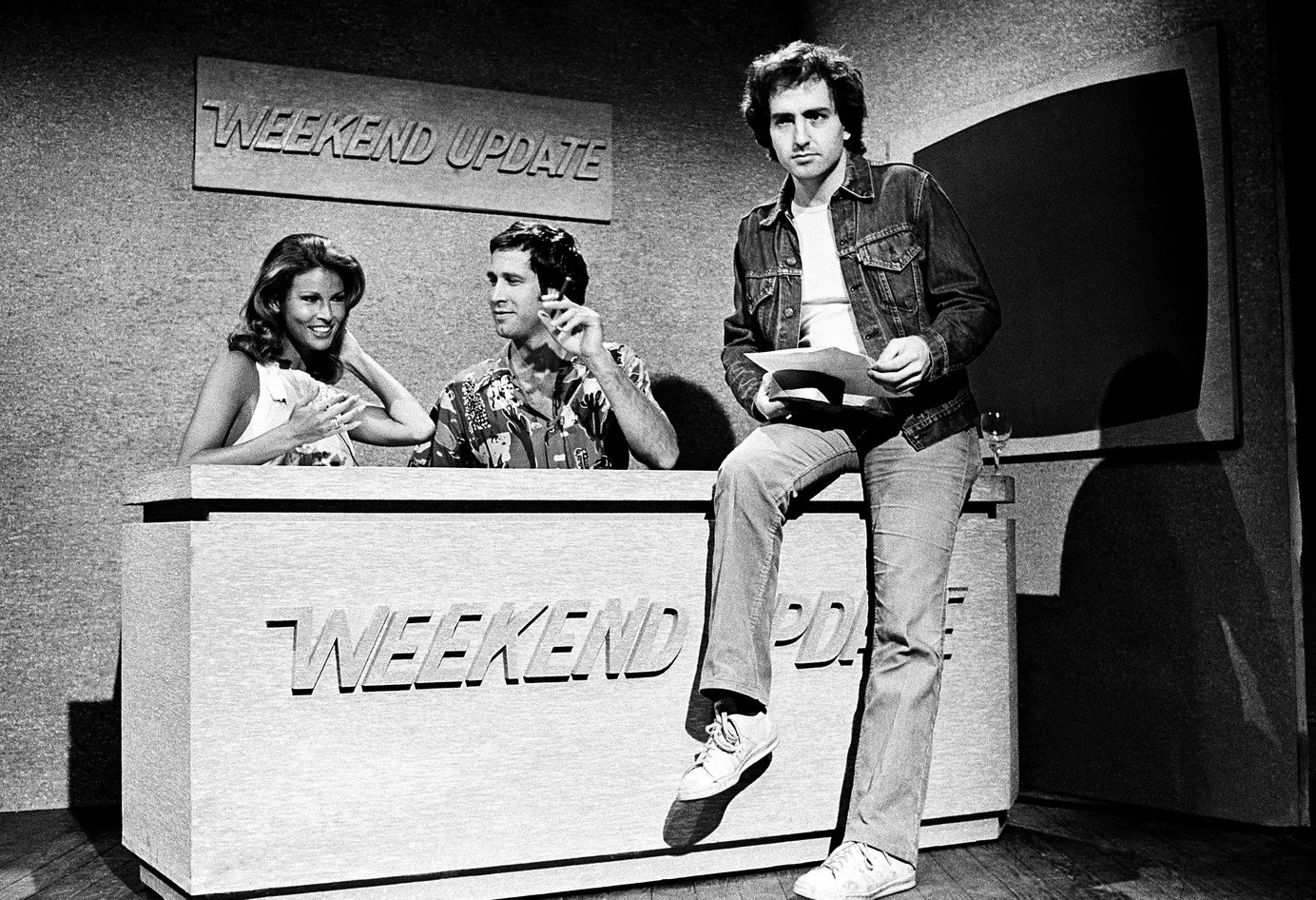
In 1975, NBC debuted a program originally titled NBC’s Saturday Night. The inaugural episode aired on October 11, 1975, live from Studio 8H in New York’s iconic Rockefeller Center. The show was conceived by Lorne Michaels alongside Dick Ebersol and then-NBC president Herb Schlosser. The premise was revolutionary for American broadcasting: blending live performances, sketch comedy, sharp satire, music, and immediate cultural commentary into a single late-night weekend broadcast. The network initially adjusted the title because ABC was airing Saturday Night Live with Howard Cosell. Once the rights cleared, NBC officially rebranded the program as Saturday Night Live—the title that has defined it since 1977.
For television audiences, it was an entirely novel experience. Instead of the polished, pre-recorded comedy found in traditional sitcoms and variety hours, SNL delivered the raw, electric energy of an event unfolding in real time. Live broadcasting became its signature strength. Scripts were written over the course of a single week, rehearsals ran down to the final hours before airtime, and sketches were frequently rewritten right up to the countdown. This high-wire unpredictability proved to be the secret ingredient behind the show’s enduring appeal.
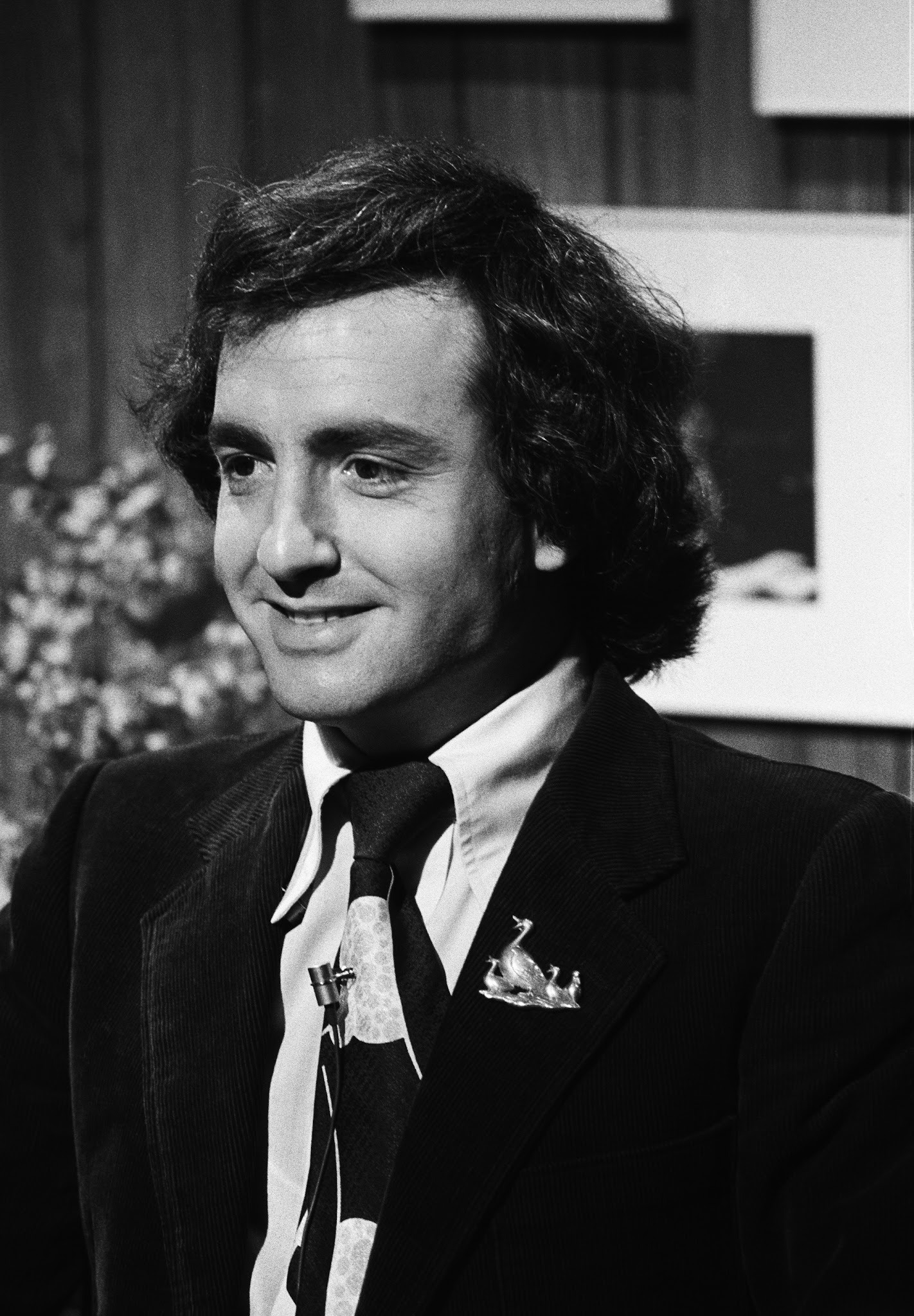
A major reason for Saturday Night Live’s unprecedented longevity is the talent discovery and development pipeline established by Michaels. SNL became the ultimate comedy incubator. For cast members and writers, joining the show was far more than just a job—it was a springboard into blockbuster films, prestige television, and original creator-driven projects. The show’s alumni roster reads like a who’s who of comedy legends: Bill Murray, Eddie Murphy, Mike Myers, Adam Sandler, Chris Farley, Will Ferrell, Tina Fey, Amy Poehler, Chris Rock, Julia Louis-Dreyfus, and countless others. Often hailed as a “star factory,” SNL’s legacy is measured not just in Nielsen ratings or trophies, but in the legendary careers it launched. Michaels created an ecosystem where fresh, unvetted talent could command a massive national audience overnight.
A New Era of American Comedy
One of SNL’s defining hallmarks has always been its ability to respond to current events in real time. American politics quickly became central to the show’s creative DNA. Presidents, political candidates, senators, high-stakes campaigns, and social flashpoints regularly formed the basis of cold opens and sketches. This radically redefined the possibilities of television comedy: humor was no longer detached from the news cycle—it was propelled by it. SNL evolved into a comedic mirror of American society, capable of skewering headlines that were still breaking on front pages that very morning.
A prime example of this innovation is Weekend Update. Introduced in the very first season, the segment elevated the fake news broadcast into an art form. In place of a traditional anchor, audiences were treated to comedians delivering biting commentary on politics and current events. The format proved remarkably durable, seamlessly evolving through dozens of anchor pairings and remaining one of the show’s most iconic, must-watch segments.
Despite the show’s meteoric early success, Michaels did not lead the production uninterrupted. After the first five seasons, he stepped away, with Dick Ebersol taking the reins in 1981. Michaels returned to helm Saturday Night Live in 1985 and has remained its guiding force and creative cornerstone ever since.
From SNL to the Late-Night Empire
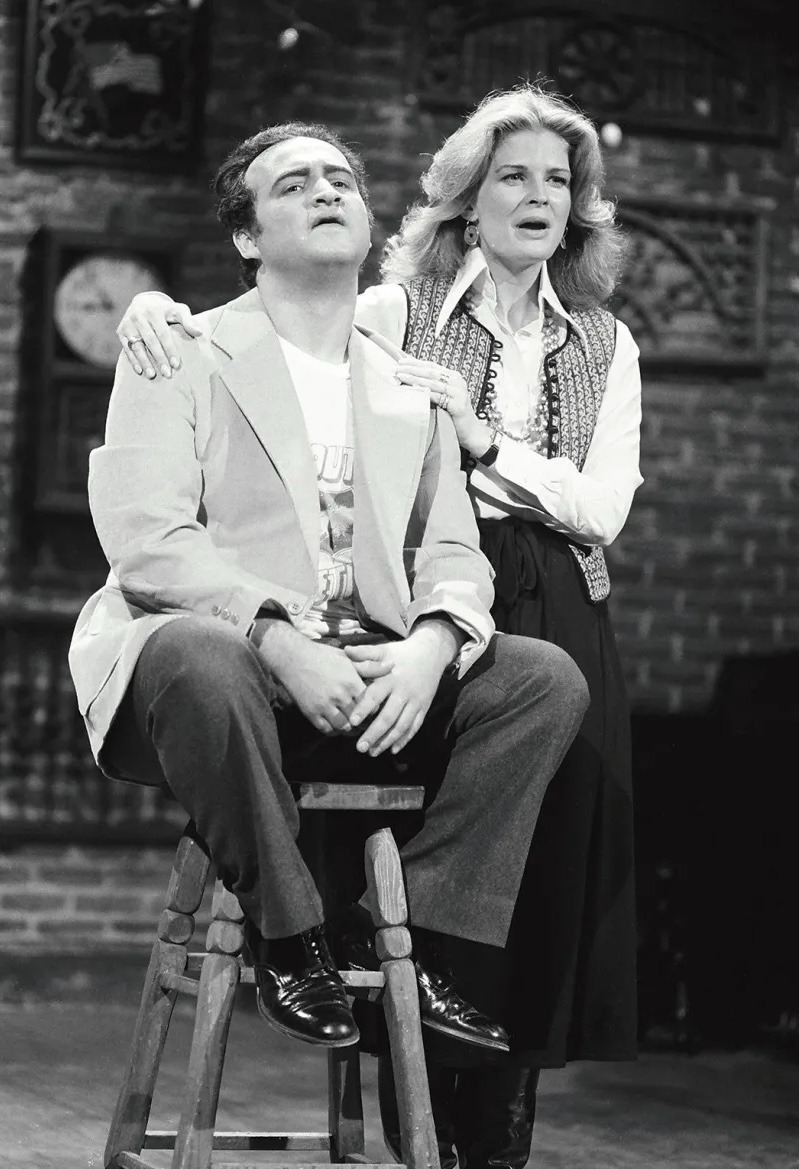
Michaels’ influence extends deep into the broader late-night landscape. Starting in 1993, he served as executive producer of NBC’s Late Night franchise, guiding eras hosted by Conan O’Brien, Jimmy Fallon, and Seth Meyers. His footprint went far beyond producing: Michaels became late-night’s ultimate gatekeeper, identifying and championing the next generation of broadcast talent. This role earned him his reputation as television’s premier “kingmaker”—a cultural architect capable of defining who leads American comedy for decades.
Awards and Honors
Lorne Michaels’ record at the Emmy Awards is unmatched in television history. By 2026, Michaels has accumulated 24 Emmy wins out of 113 nominations, making him the most-nominated individual in the history of the awards. His honors span a wide range of disciplines, from writing to producing variety series, sketch programs, and comedy specials.
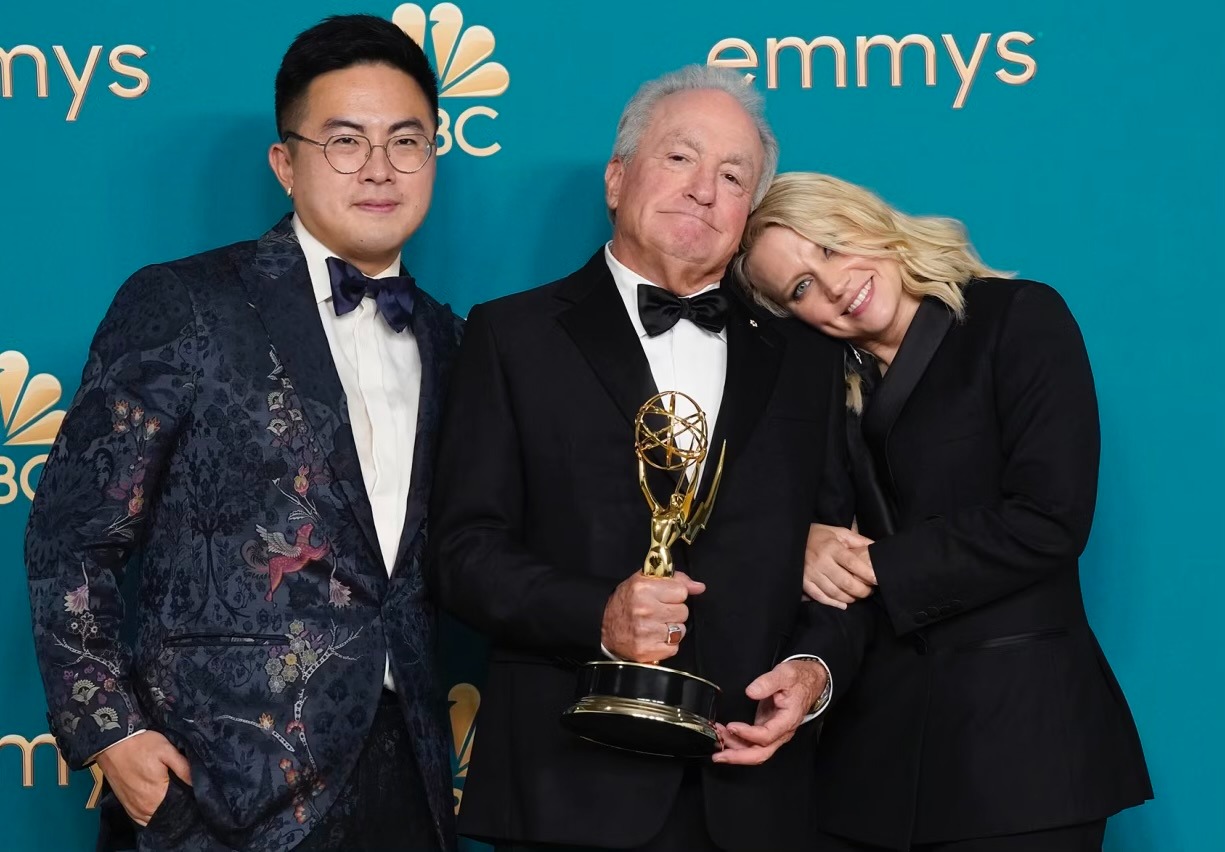
Michaels’ impact has garnered widespread recognition across the cultural spectrum. In 1999, he was inducted into the Television Academy Hall of Fame and received a star on the Hollywood Walk of Fame. In 2002, he was appointed a Member of the Order of Canada, later elevated in 2018 to Companion of the Order of Canada—the highest level of the country’s civilian honor system.
In 2004, Michaels was awarded the prestigious Mark Twain Prize for American Humor by the Kennedy Center, one of the highest honors in comedy.
On April 17, 2026, the documentary film “Lorne,” directed by Morgan Neville, made its debut. The film offers a deep dive into Michaels’ career and his towering influence on the comedy landscape, featuring rare archival footage and candid interviews with his closest collaborators.
Ultimately, Lorne Michaels’ greatest legacy is not just creating a hit television program—he reimagined the entire infrastructure of comedy production. Saturday Night Live proved that immediate cultural relevance was a powerful creative advantage. It also elevated the status of the television comedy writer from an anonymous behind-the-scenes contributor to a major pop-culture voice. Michaels built an unprecedented talent pipeline where rising performers could command national attention and seamlessly transition into film, series television, stand-up, and groundbreaking creative ventures of their own.